Thinking about adding an accessory dwelling unit on your Coronado property, but not sure what’s allowed in 92118? You are not alone. Many owners want space for multigenerational living or a steady rental, yet coastal rules, historic issues, and HOAs can make the path unclear. In this guide, you will learn what you can build under California law, the Coronado-specific factors that matter most, a practical feasibility checklist, and realistic timelines and costs so you can plan with confidence. Let’s dive in.
What counts as an ADU in California
ADU types you can consider
- Detached ADU separate from the main home.
- Attached ADU connected to the main home.
- Conversion ADU created from existing space, like a garage or accessory structure.
- Junior ADU (JADU) created within the existing single-family dwelling.
Typical size ceilings
- JADU: commonly up to 500 square feet within the main residence.
- ADU: many cities allow up to 1,200 square feet for new detached or attached units, while still complying with state rules. Always verify the local limits before you design.
Approvals and parking basics
- When your application meets objective standards, state law requires ministerial approval without discretionary zoning hearings.
- State rules limit when cities can require new parking for ADUs, and replacement parking for spaces converted to an ADU is often not required. Local application varies, so confirm how parking applies to your site.
Short-term rentals
- State law enables ADU creation. Whether you can use the ADU as a short-term rental depends on local ordinances. Coronado regulates vacation rentals and collects Transient Occupancy Tax, so verify what is permitted before you underwrite rental income.
Coronado specifics that shape design
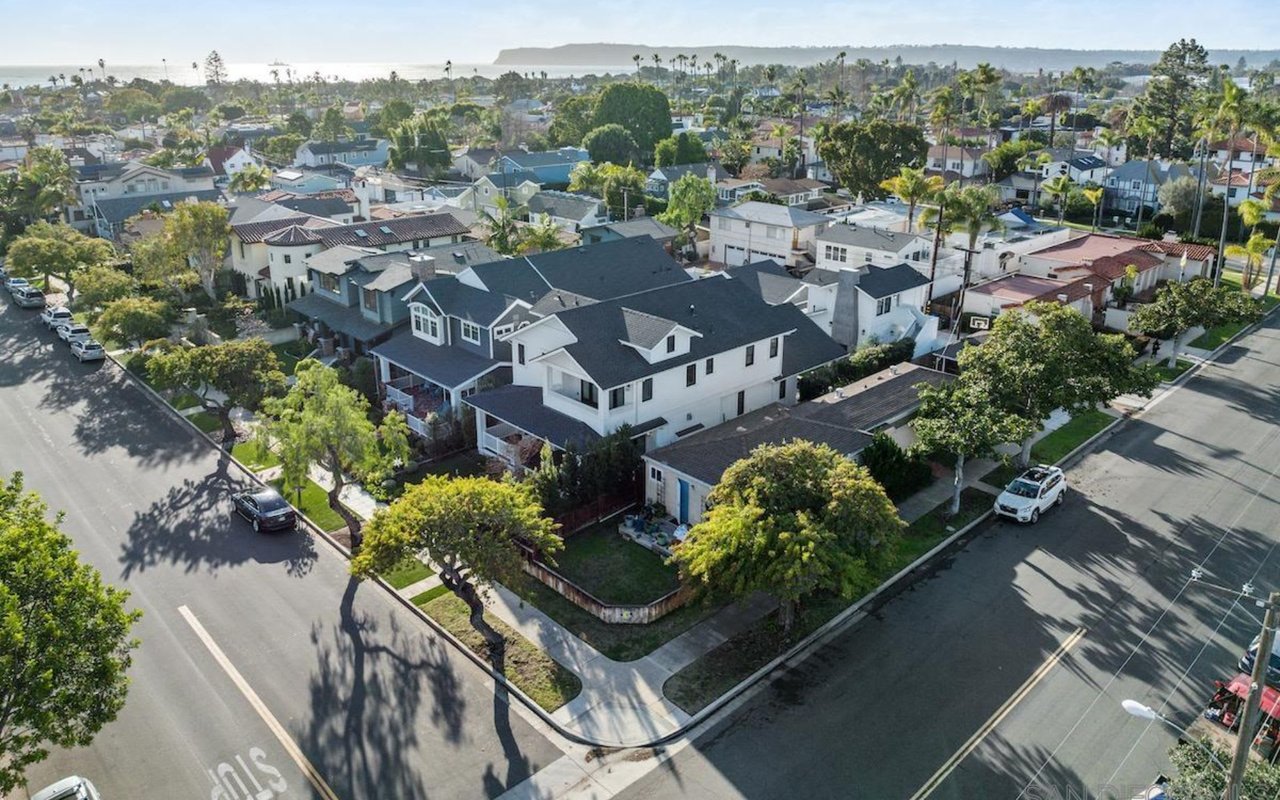
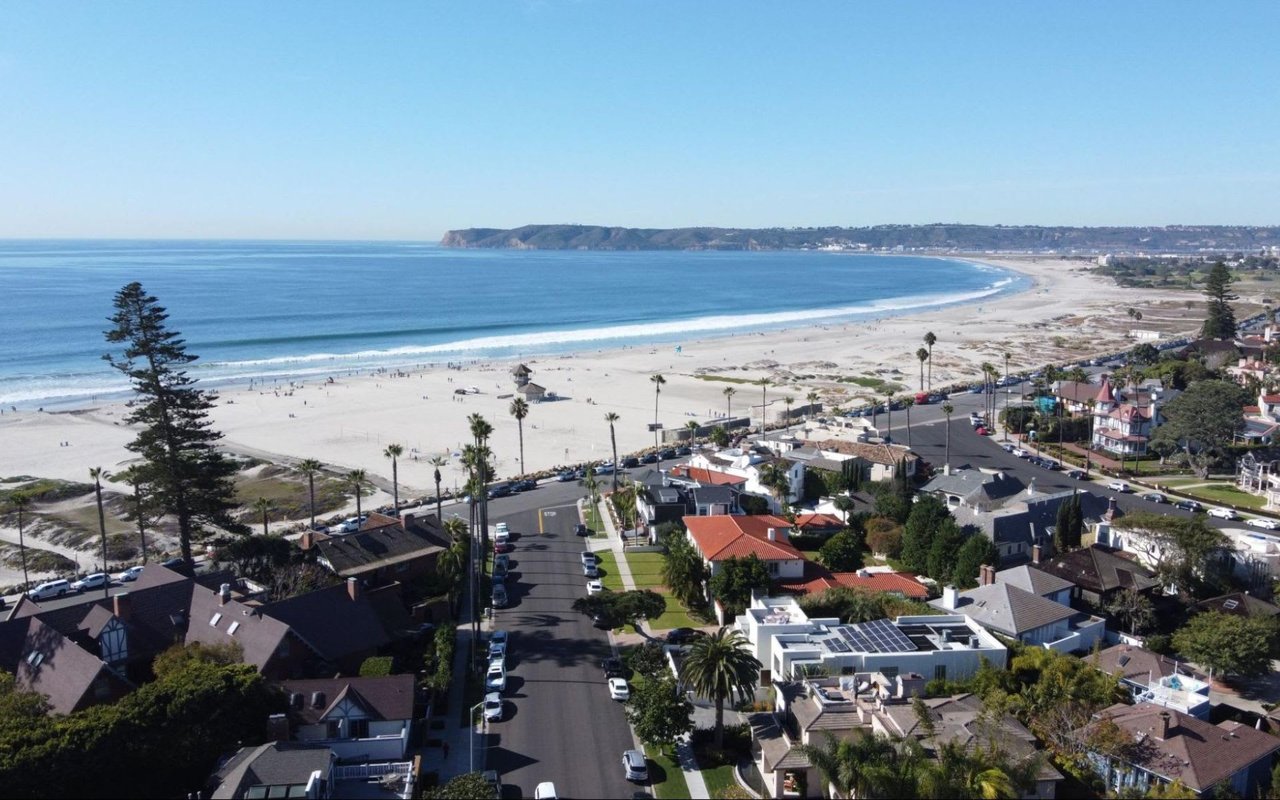
Coronado’s island setting, coastal boundaries, historic resources, and neighborhoods like the Village, Cays, and Shores all influence feasibility.
Zoning and lot coverage
- Your parcel’s zoning district sets baseline standards for use, setbacks, lot coverage, and floor area.
- Many Village and Cays lots are compact. Lot coverage and floor area limits often define the size and placement of detached ADUs.
Setbacks and height constraints
- Local standards govern front, side, and rear setbacks and maximum heights.
- Near the coast or in historic areas, detached ADUs are often limited to a lower height than the main dwelling. Confirm Coronado’s numeric setbacks and heights before you finalize a design.
Historic resource overlays
- Some properties are designated historic or lie in historic overlays.
- ADUs in these areas usually require design review and may need specific materials or massing. In certain cases, preservation rules can change plans or limit demolition of historic features.
Coastal Zone and CDPs
- Portions of Coronado are within the California Coastal Zone. Your project may need a Coastal Development Permit, and some decisions can be appealable.
- ADUs that affect coastal access, public views, or sensitive resources face extra scrutiny. Always check if your parcel is in the Coastal Zone and what review applies.
Utilities and street parking
- Water, sewer, and electrical capacity can drive cost. In tight areas, sewer laterals and meter upgrades may be significant.
- Coronado’s narrow streets and residential parking programs affect day-to-day feasibility even if state rules limit required parking. Consider actual curb conditions and HOA rules.
HOAs and CC&Rs
- Properties in the Coronado Cays and Coronado Shores often have HOAs. CC&Rs can restrict exterior changes and rental activity.
- Municipal approvals do not override private covenants. Review HOA rules early to avoid redesigns.
Short-term rentals and TOT
- Coronado regulates vacation rentals and requires compliance with local registration and tax rules.
- If income is part of your plan, verify whether your intended use is allowed and what registrations are required.
What you can build in 92118: common scenarios
Here are practical ADU approaches Coronado homeowners explore. Your site conditions, zoning, and overlays will determine fit.
- JADU within your home. Up to 500 square feet, ideal for a compact suite with a kitchenette. Works well when exterior expansion is tight.
- Garage or accessory structure conversion. A cost-efficient way to create a new dwelling if the structure is suitable and you can route utilities cleanly.
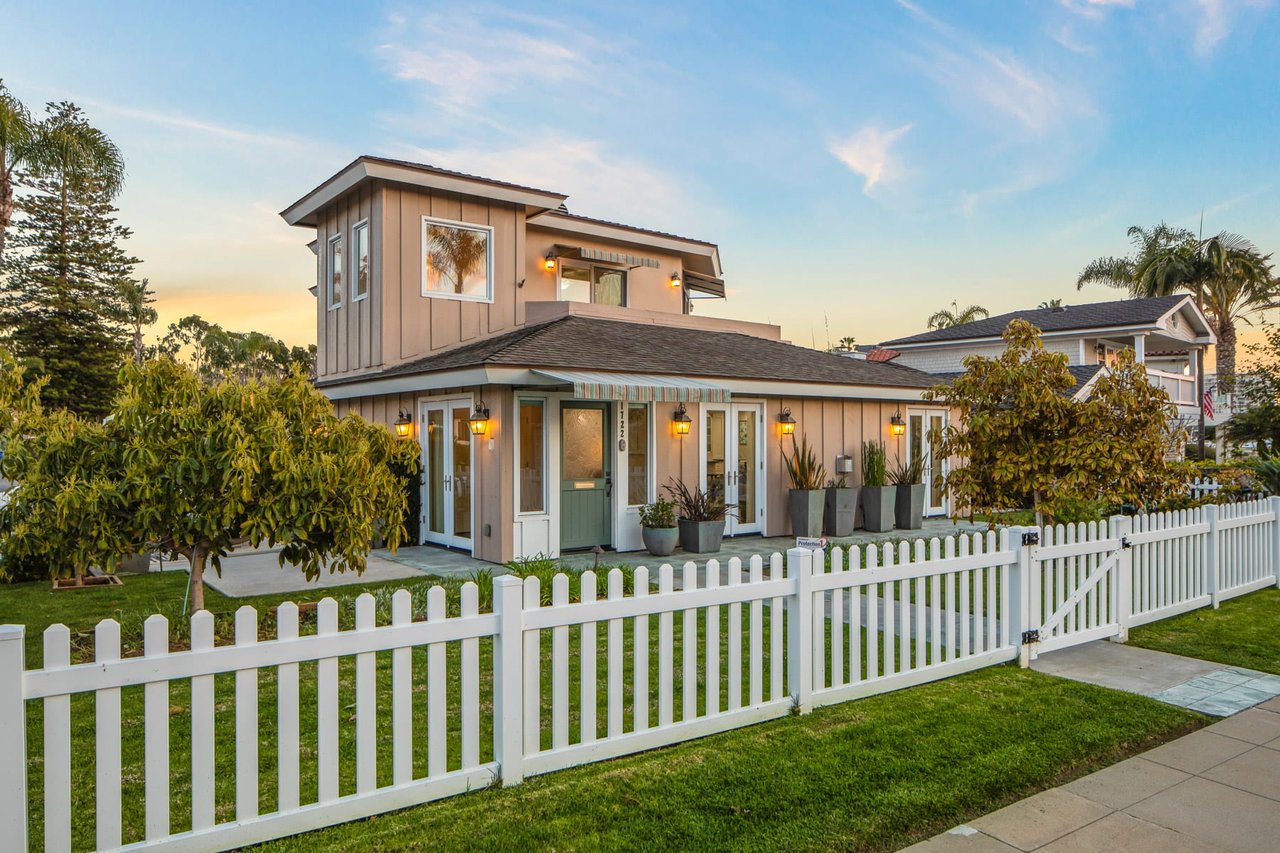
- Detached one-story ADU in the rear yard. Often a good fit on lots with rear access or alley frontage where setbacks can be met.
- Second-story ADU above a garage. Feasible where height and massing comply, especially on lots with existing garage structures.
Each scenario benefits from an early check on setbacks, height, lot coverage, and whether historic or coastal review will apply.
Feasibility checklist for Coronado homeowners
Use this step-by-step flow to decide if an ADU is realistic for your property and goals.
Step 0: Gather site information
- Parcel zoning and lot size.
- Existing building footprint, lot coverage, and heights.
- Overlays or constraints: historic resource status, Coastal Zone, HOA and CC&Rs.
- Existing ADUs on the lot, if any.
- Utility details: sewer lateral location, meter sizes, and panel capacity.
Step 1: Quick screen (1 to 2 weeks)
- Confirm zoning allows ADUs on your lot type.
- Check whether a detached ADU or a conversion can meet setbacks and lot coverage.
- Determine if historic or coastal review will be required.
- Assess parking realities and HOA limits that could affect your intended use.
Step 2: Pre-application meeting (1 to 4 weeks to schedule)
- Meet with Coronado Planning to discuss ministerial review, submittal requirements, fees, and whether a coastal or historic review applies.
- Bring a simple site plan, photos, and a rough program for the ADU.
Step 3: Design and plans (4 to 12+ weeks)
- Engage a designer familiar with coastal and historic conditions.
- Prepare architectural, structural, and MEP plans.
- Address early code topics like foundation needs, grading, floodplain, and sea level considerations for low-lying lots.
Step 4: Application and reviews
- Ministerial planning review proceeds once your application is complete.
- If a Coastal Development Permit or historic review applies, expect additional steps and public noticing. Appeals can add months.
- After planning sign-off, complete building plan check and obtain permits.
Step 5: Construction and inspections (3 to 9 months typical)
- Build, schedule inspections, and complete final approvals for a Certificate of Occupancy.
Timeline: idea to keys
- Feasibility and pre-application: 1 to 4 weeks.
- Design and plan preparation: 4 to 12+ weeks.
- Planning review and permit decision for a complete, ministerial ADU: commonly 30 to 90 days. Add 2 to 6+ months if coastal or historic review applies.
- Building plan check and issuance: 2 to 8+ weeks depending on revisions.
- Construction: 3 to 9 months.
- Typical total: 6 to 12 months if ministerial with no coastal or historic delays. With coastal, historic, or HOA approvals, many projects run 9 to 18+ months.
Budget ranges to expect
Actual costs vary by design, finish level, and site complexity. These Southern California ranges can help you frame a budget.
- Design and engineering: about $8,000 to $40,000+ based on size and complexity.
- Permits and fees: variable. Some impact fees are reduced or waived for small ADUs, but plan for several thousand dollars at minimum and confirm current schedules.
- Construction: roughly $200 to $500+ per square foot. Waterfront, custom designs, or extensive site work will push higher.
- Utility hookups: sewer lateral work, water meter upgrades, and panel changes can be significant.
- Contingency: set aside 10 to 20 percent for unforeseen conditions and changes.
Key drivers that move time and cost
- Need for a Coastal Development Permit or potential appeals.
- Historic resource review and required preservation measures.
- Utility capacity and offsite work.
- Small-lot constraints and limited site access in the Village or Cays.
- HOA architectural reviews and CC&R approvals.
Tips for a smoother approval in Coronado
- Confirm parcel data early. Pull zoning, overlays, and any historic status before drawing plans.
- Check HOA rules up front. CC&Rs can limit exterior changes or rentals, and they apply in addition to city rules.
- Bring a clear concept to your pre-application meeting. A simple site sketch and program speeds feedback on setbacks, height, and whether coastal or historic review applies.
- Hire local expertise. A designer experienced with coastal, historic, and small-lot conditions can help you meet objective standards the first time.
- Budget time for reviews. If your site is in the Coastal Zone or has historic status, plan for added time in your schedule.
- Verify rental rules before you underwrite. If your goal is income, confirm whether long-term rental is your path and what registrations apply.
Plan your next move
An ADU can add flexibility for multigenerational living and may enhance long-term property value when designed to fit Coronado’s coastal and historic context. The right concept, early checks, and a clear timeline help you avoid surprises and stay on budget. If you are weighing whether to build, buy a property with ADU potential, or prepare a home for the market after adding an ADU, it pays to review options with a local expert who knows Coronado’s neighborhoods and buyer demand.
If you are ready to discuss your goals and how an ADU could fit into your broader real estate plan in 92118, connect with The Clements Group for a private consultation.
FAQs
Can I build an ADU on my Coronado lot?
- Usually yes on single-family lots, but feasibility depends on zoning, lot coverage, setbacks, historic or coastal overlays, utilities, and any HOA or CC&R rules.
How big can my ADU be in Coronado?
- JADUs are commonly up to 500 square feet, and many cities allow ADUs up to 1,200 square feet. Confirm Coronado’s exact limits with planning staff before design.
Will I need to provide parking for an ADU?
- State law limits required parking for ADUs in many cases, and replacement parking for conversions is often not required. Verify how local rules apply to your site.
Can I use my ADU as a short-term rental?
- That depends on Coronado’s vacation rental regulations and any HOA restrictions. Confirm local licensing, registration, and tax requirements before planning STR income.
What if my property is historic or in a historic area?
- Expect design review and potential limits on exterior changes or demolition of historic features. Plan for materials and massing that respect preservation objectives.
Do I need a Coastal Development Permit for an ADU?
- Possibly. If your property is in the Coastal Zone, a coastal permit or additional review may apply. Check your parcel status and confirm requirements during pre-application.