Eyeing a rare home in Coronado but not ready to sell yours yet? You are not alone. In a market with limited, high‑value inventory, the best homes often go fast, and sellers prefer clean offers without sale contingencies. This is where bridge financing can help you buy first, then sell with confidence.
In this guide, you will learn how bridge loans work for Coronado move‑up buyers, what they cost, when they make sense, the local factors to consider, and how a coordinated plan keeps the process smooth. You will also see practical alternatives and a simple planning template you can use with your lender and agent. Let’s dive in.
Why bridge loans fit Coronado
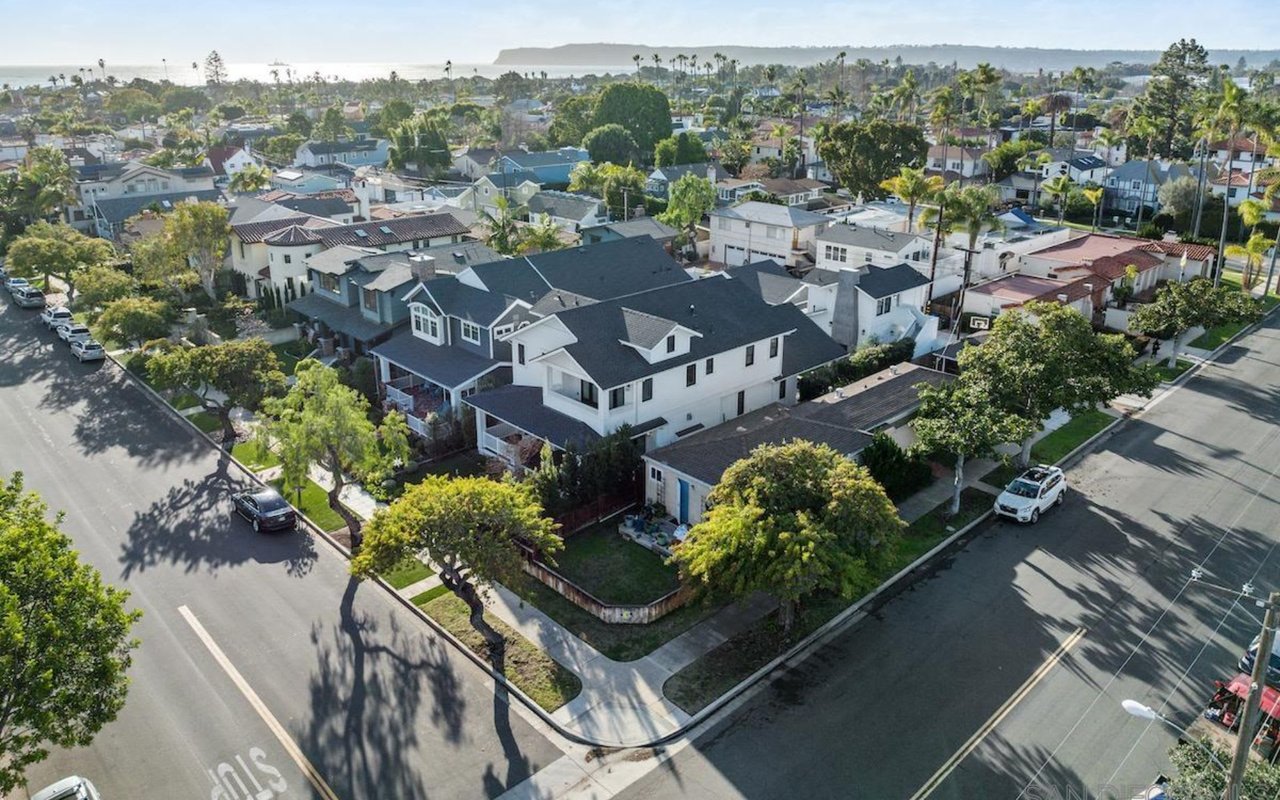
Coronado is a small, highly desirable island city with constrained supply and a concentration of high‑value homes. That combination creates pressure to act quickly when the right property appears. Offers with a sale contingency often struggle in multiple‑offer situations.
Many local owners have strong equity positions, which can support short‑term financing. At the same time, coastal insurance requirements, HOA rules, and appraisal dynamics can add complexity. Bridge loans are designed to solve the timing gap, but you need a clear plan for underwriting, costs, and exit.
What a bridge loan is
A bridge loan is a short‑term loan that taps the equity in your current home so you can purchase a new one before your sale closes. It is meant to be temporary. You repay it when your current home sells or when you refinance into a long‑term mortgage on the new home.
Common structures you might use
- Standalone bridge loan secured by your current home. Often interest‑only for a set term and repaid when you sell.
- Purchase‑money second or temporary second mortgage. A second loan used for the down payment on the new property that is paid off after your sale or refinance.
- HELOC or home equity loan on your current home. Used to fund the down payment or closing costs. Setup can take longer depending on underwriting.
- Cash‑out refinance of the current home. Replaces your existing mortgage with a larger one to free up funds. Monthly payments may rise.
- Contract workarounds. Options like a rent‑back from the buyer, a contingent offer, or private investor financing to bridge timing without a traditional lender product.
How bridge financing works step by step
- Application and underwriting. The lender reviews your credit, debt‑to‑income, reserves, and equity in your current home. They evaluate combined loan‑to‑value across the properties.
- Collateral and terms. The bridge is usually secured by your current home. Lenders may require proof that your home is marketable and may ask for additional reserves.
- Funding and carry. Bridge funds are applied to the new purchase at closing. You may carry two mortgages, plus HOA dues, insurance, utilities, and property taxes until your sale closes or you refinance.
- Exit. You pay off the bridge from your sale proceeds or via a refinance into long‑term financing once you have sold.
Costs and risks to expect
Bridge loans are useful timing tools, but they come with added costs and responsibilities. Plan for the following:
- Interest rate premium. Short‑term loans often carry higher rates than standard mortgages. Some products require monthly interest payments. Others let interest accrue until payoff.
- Origination and closing costs. Expect lender origination fees plus appraisal, title, escrow, and closing costs. Some products include exit or prepayment fees.
- Insurance and escrows. Hazard and sometimes flood insurance are required. Coastal Coronado properties often have higher premiums, which affects total carrying costs.
- Dual carrying costs. You may cover two sets of payments for mortgage, property tax, HOA dues, insurance, utilities, and maintenance.
- Underwriting constraints. Lenders set limits on combined loan‑to‑value, debt‑to‑income, and reserves. Condo and HOA reviews, flood exposure, and appraisal outcomes can affect terms.
- Market risk. If your current home takes longer to sell or sells for less than expected, you may carry the bridge longer than planned and reduce net proceeds.
When a bridge loan makes sense here
Situations where it commonly helps
- Competitive purchase without a sale contingency. You want to strengthen your offer on a desirable Coronado property by removing the sale contingency.
- Low inventory and fast timelines. A rare property on the island or in nearby coastal neighborhoods appears and you need to act before your sale closes.
- New construction timing. Builder delivery dates do not align with the timing of your sale.
- Relocation timing. A move tied to work or family requires a firm purchase date before your sale.
- Tactical upgrade. Your down payment for the next home is tied up in equity in your current property.
Quick decision checklist
- Equity check. Do you have enough equity to secure a bridge and cover down payment and closing costs?
- Cash flow. Can you comfortably carry two homes for 3 to 6 months if needed?
- Market liquidity. What are days on market and sale velocity in Coronado and your target buy area? Align expectations with current conditions.
- Insurance readiness. Will flood or coastal exposure impact insurance timing or cost? Get quotes early.
- Exit plan. How will you market and price your current home? What is your realistic timeline to sell?
- Cost comparison. Compare the total cost of a bridge to a HELOC, cash‑out refinance, contingent offer, or rent‑back.
- Tax review. Ask a CPA about potential tax treatment of interest and costs before choosing a path.
Alternatives to consider
- HELOC. Often lower cost and flexible. Underwriting can take time, and rates are typically variable.
- Home equity loan. Fixed rate and predictable payments. Slower to fund than some bridge products.
- Cash‑out refinance. Locks a new rate and consolidates debt. May raise monthly payments and can be expensive for short‑term use.
- Contingent offer. Simpler and avoids dual carry. Often less competitive in a low‑inventory market like Coronado.
- Private investor or bridge investor. Fast and flexible. Usually the highest cost with fewer consumer protections.
- Rent‑back agreement. Lets you sell first and stay in the home for a set period after closing. Requires buyer cooperation and careful coordination.
Local factors in Coronado and San Diego County
- Flood and coastal exposure. Lenders verify flood zones and require flood policies where applicable. Expect higher coastal insurance costs that affect carrying cost estimates.
- HOA and condo reviews. Many Coronado properties are condominiums or part of associations. Lenders review HOA financials, reserve levels, owner‑occupancy, and special assessments.
- Appraisals and comparable sales. A small sample size can create appraisal volatility. Some appraisers may reference nearby coastal comps to support value.
- Escrow timing. Many California escrows close in about 30 days, but timing varies. Coordinating two escrows or a rent‑back is common for move‑up buyers.
- Recording and transfer practices. San Diego County recording timelines and documentary tax procedures can affect possession and funding coordination.
- Seasonality and tourism. Local seasonality tied to vacation and rental demand can influence buyer pools and your ideal marketing window.
A simple planning template
Use this framework with your lender and agent to size a bridge and estimate carrying costs. Keep numbers conservative.
Variables
- Pn = purchase price of new home
- Dn = required down payment on new home as a percent of Pn
- Cs = closing costs on the purchase
- Eq = available net equity from selling your current home after payoffs and costs
- R = available cash reserves
- BridgeAmountNeeded = max(0, (Dn + Cs) − (Eq + R))
Carry and fees
- CarryMonthly = payments on both homes + insurance + HOA + utilities + property tax prorations
- CarryTimeEstimate = expected months to sell your current home
- TotalCarryCost = CarryMonthly × CarryTimeEstimate + bridge fees + interest accrued for CarryTimeEstimate
Sensitivity checks
- Best, expected, and worst sale prices for your current home
- Days on market under different scenarios
- Bridge interest and fee ranges
- Insurance changes after the new purchase, including flood coverage
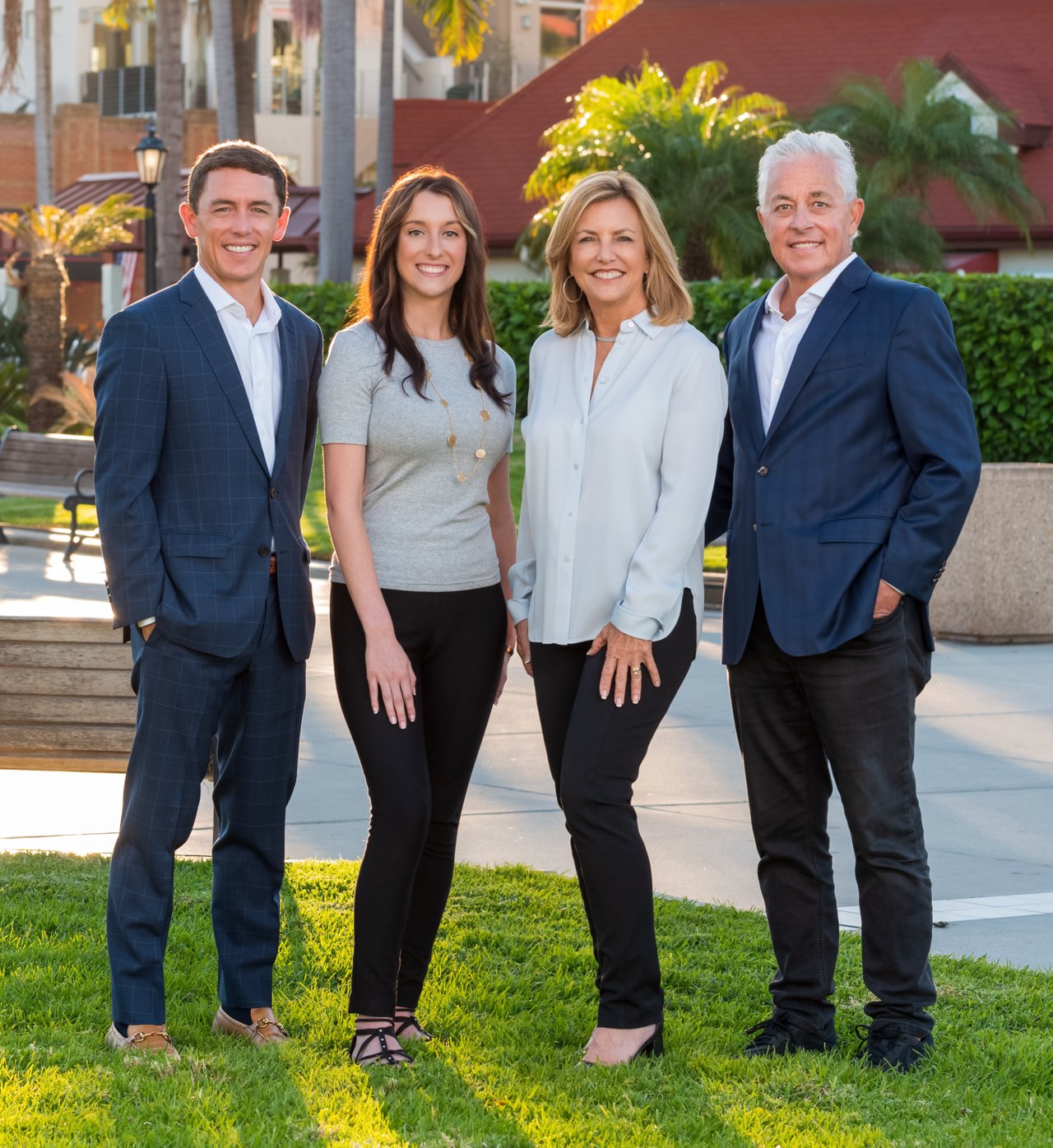
How The Clements Group coordinates the move
A successful bridge strategy relies on planning, timing, and clear documentation. A focused agent team can streamline the pieces so your purchase and sale stay aligned.
Planning support
- Equity and eligibility review. Gather mortgage payoff data and estimate a target bridge amount based on your goals and equity.
- Quick market scan. Pull current comparable sales and days on market for both your home and your target neighborhoods.
- Lender introductions. Connect you with lenders that offer bridge loans, HELOCs, and refinance options. Request preliminary guidance on terms and reserves.
- Strategy session. Compare bridge versus alternatives, set a realistic exit plan, and plan for a worst‑case carry period.
Execution and escrow sync
- Align closings. Coordinate purchase and sale timelines, including a planned rent‑back if needed.
- Appraisals and inspections. Order appraisals, HOA documents, and any coastal inspections promptly.
- Listing readiness. Prepare the sale of your current home to minimize days on market. Concierge‑style prep and staging can accelerate the timeline.
- Documentation flow. Deliver payoffs, title reports, and insurance declarations to the lender and remove bottlenecks.
After you go under contract
- Contingency management. Set clear dates for appraisal, loan, and inspection contingencies so bridge funding and escrow close smoothly.
- Rent‑back coordination. If you need extra time after closing, structure occupancy, liability, and insurance details with all parties.
- Exit execution. Once you sell, coordinate payoff of the bridge and confirm loan termination through escrow and title.
Example profiles
- Example A: Strong fit. You have high equity in a well‑prepared Coronado home that is likely to sell quickly. A rare on‑island property appears and you want a non‑contingent offer. A bridge helps you act now, then repay at closing of your sale.
- Example B: Use caution. You have marginal equity tied to a condo with HOA restrictions, and the market shows increasing days on market. A HELOC or a contingent offer may present lower risk and cost.
Next steps
If you are considering a buy‑before‑sell move in Coronado, the right plan can protect your timing and your equity. Start with a conservative budget, confirm insurance and HOA factors early, and compare all financing paths side by side. For a tailored bridge strategy and a coordinated purchase‑and‑sale plan, connect with The Clements Group. Schedule a private consultation.
FAQs
How do bridge loans help Coronado move‑up buyers compete?
- They let you present a non‑contingent offer in a low‑inventory market, which can be more competitive when desirable homes attract multiple bids.
What is the typical timeline for a bridge loan in San Diego County?
- Many products run for a few months up to about 12 months. They are designed to be repaid when your current home sells or when you refinance.
Will I have two mortgage payments during a bridge in Coronado?
- Often yes. Plan for payments on both properties plus HOA dues, insurance, utilities, and property taxes until your sale closes or you refinance.
How do coastal insurance and flood zones affect bridge financing?
- Lenders verify flood exposure and require appropriate insurance where applicable. Higher coastal premiums increase carrying costs and may affect reserves.
Can I use a Coronado condo as collateral for a bridge loan?
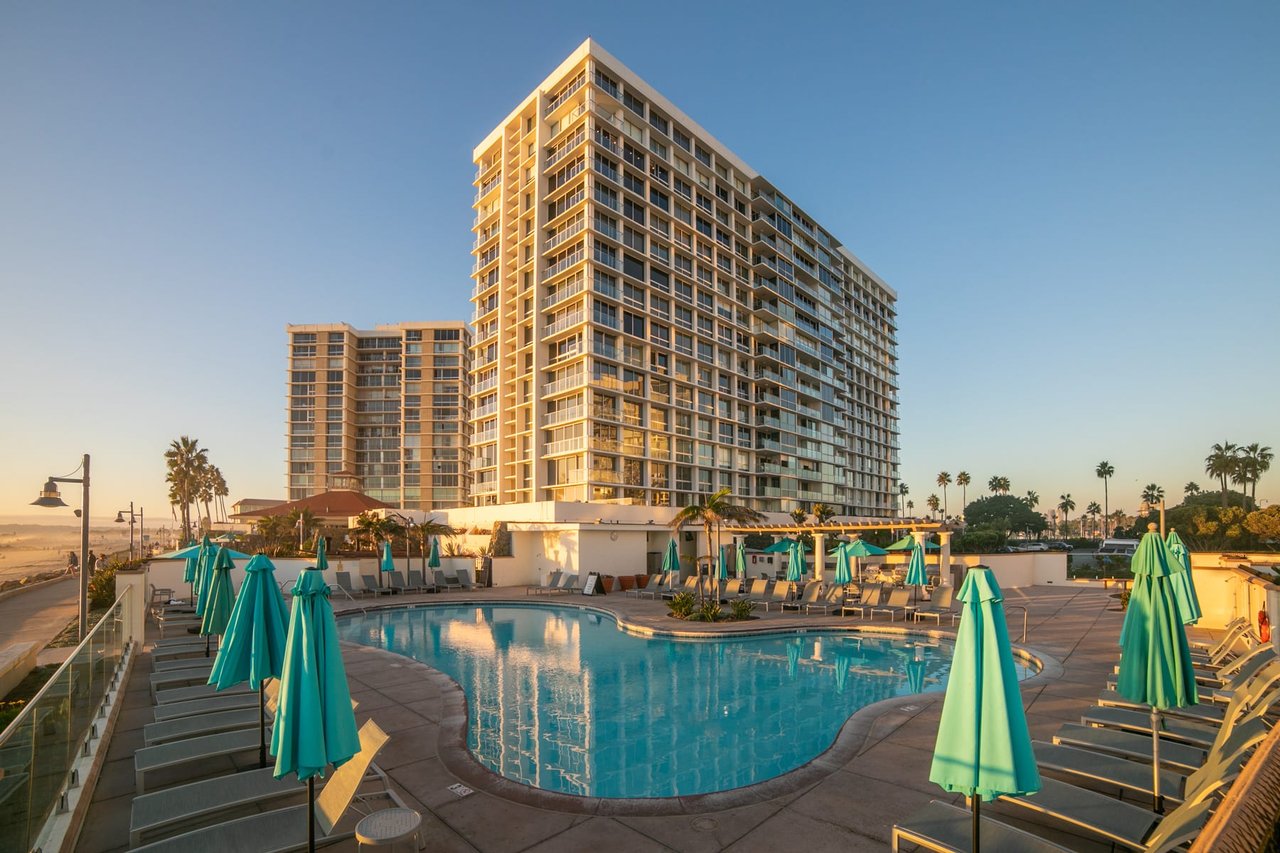
- Often yes, but lenders review HOA financials, reserve levels, owner‑occupancy rates, and special assessments. These factors can affect approval and terms.
What if my Coronado home takes longer to sell than planned?
- Build reserves for a longer carry, and discuss backup plans with your lender and agent. Options may include extending the bridge term, refinancing, or revisiting pricing and marketing.