Wondering how long it will really take to sell your Coronado home in 92118? In a high-end coastal market like ours, timing depends on preparation, pricing, and the kind of property you own. With a clear plan, you can move from decision to closing with less stress and fewer surprises. This step-by-step timeline shows you what to expect at each stage, the key documents to handle early, and how to speed things up without cutting corners. Let’s dive in.
Coronado seller timeline at a glance
- Pre-list preparation: 1–4 weeks
- On market: 1–6+ weeks depending on price, presentation, and buyer pool
- Escrow (financed): 30–45 days typical; cash can close in 7–21 days
- Final approval to keys: last 3–7 days
- Move-out: 0–14 days per contract, with possible rent-back
Phase A: Decide and prepare (1–4 weeks)
Start by clarifying your goals, timeline, and must-haves. Interview listing agents and request a pricing analysis tailored to Coronado’s micro-areas such as the Village, the Cays, and beachfront corridors. Collect permits, warranties, HOA contacts, and recent improvement receipts so buyers and appraisers can verify value.
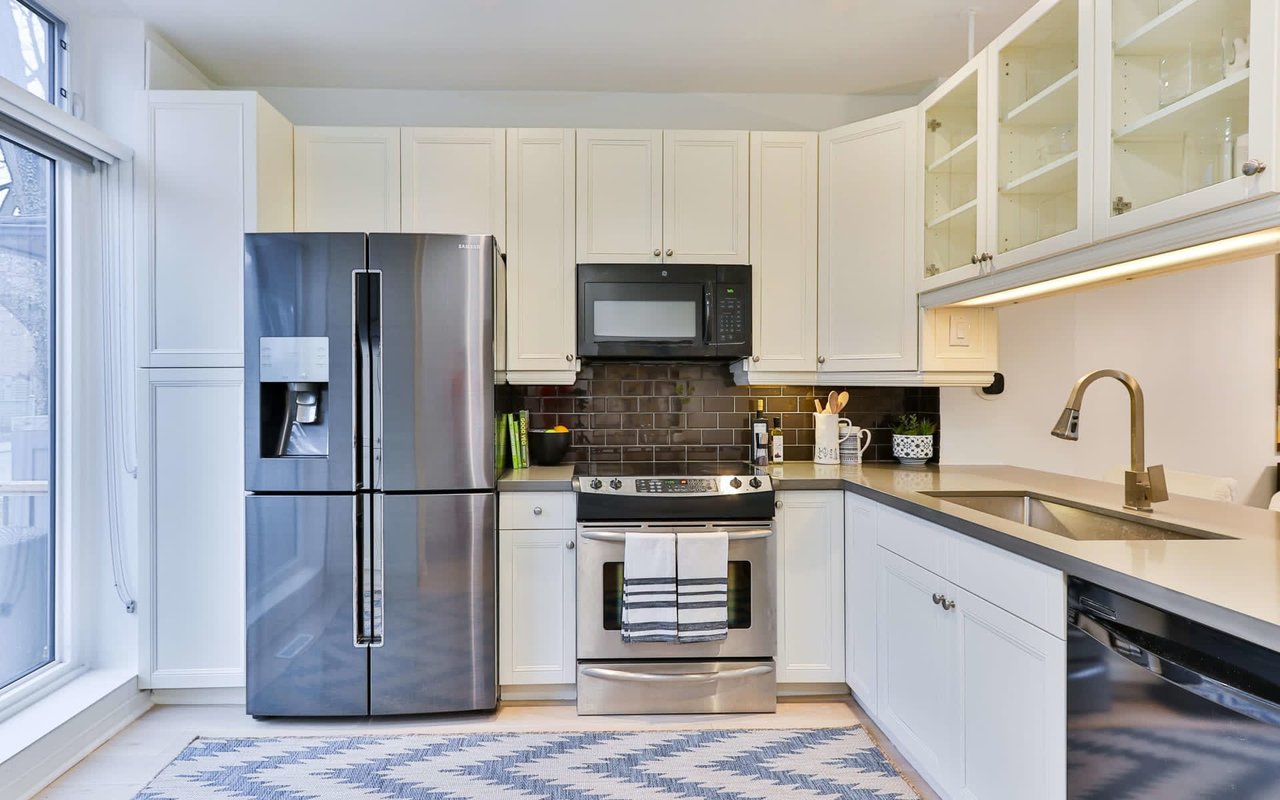
Focus your prep where it counts. Declutter, complete simple repairs, and schedule premium photography and floor plans. Staging matters in 92118: according to the latest NAR report, professionally staged homes often sell faster and can attract stronger offers, especially when the living room, kitchen, and primary bedroom shine. See the findings in the National Association of REALTORS’ report on how home staging boosts sale prices and reduces time on market.
If your home is older or you know of potential issues, consider pre-list inspections such as termite/WDO, roof, or sewer lateral. Finding and fixing concerns early can save 1–2 weeks of back-and-forth once you are under contract. Your agent can help you prioritize which inspections make sense based on property age and location.
Phase B: Pre-market and launch (1–2 weeks)
Handle disclosures early to prevent escrow delays. In California, sellers must complete a Transfer Disclosure Statement (TDS) and deliver it in good faith. Late delivery can create a brief statutory right for the buyer to cancel, so get it done upfront. For a plain-English overview of TDS obligations, review this guide to California Civil Code §1102 real estate disclosures.
You will also provide a Natural Hazard Disclosure (NHD), which outlines mapped hazard zones such as flood or seismic areas. Ordering NHD before or at listing helps buyers and lenders review risk without slowing the deal. Learn more about NHD basics in this California NHD overview.
If you are selling a condo or a home in an HOA such as the Coronado Cays, order the resale/estoppel packet as soon as the property goes active or escrow opens. These packets can take days to weeks and are a common cause of extensions. The Cays HOA maintains resources for sellers through CCHOA.
During launch week, host agent previews or a broker open and schedule strategic showings. The first 7–14 days usually bring the most traffic, so make sure pricing and presentation are tight on day one.
Phase C: On market, offers, negotiation (1–6+ weeks)
Well-positioned Coronado listings tend to see the bulk of interest early. If you price accurately and present beautifully, you maximize the chance of quick offers. Luxury and waterfront properties often take longer because the right buyer pool is smaller and more selective.
When offers arrive, plan for 3–10 days of negotiation and contract finalization. Terms such as price, credits, rent-back, and contingency lengths are all negotiable. Clean documentation and quick communication help keep momentum on your side.
Phase D: Escrow and contingencies (30–45 days typical)
Once you accept an offer, escrow opens and the buyer deposits earnest money. Most financed transactions in our area target a 30–45 day escrow to allow for appraisal and underwriting. Cash purchases can close faster, often in 7–21 days, as long as title and HOA items are clear. For a practical look at standard closing timelines, see this escrow and residential closings overview.
Inspections and loan milestones move on a tight clock in California. Many contracts use a 17-day default inspection window unless negotiated otherwise. Appraisal is typically ordered early in the loan process and often returns within 7–14 days. For background on common contingency timing in the CAR Residential Purchase Agreement, review this contingency window overview.
Plan your calendar with real dates. For example, if acceptance is March 1 and the buyer’s inspection contingency is 17 days, that window runs through March 17. Get inspectors scheduled immediately to preserve time for any negotiations.
Disclosures and HOA packets matter to lenders. Ordering the NHD and HOA resale documents early helps avoid last-minute extensions. If you are selling in the Coronado Cays or another HOA, verify what the lender needs from the association and confirm delivery timelines with the escrow officer.
Phase E: Clear to close and keys (last 3–7 days)
As underwriting wraps up, the lender issues clear-to-close and a Closing Disclosure. Federal rules require the Closing Disclosure be delivered at least three business days before signing. Your final walkthrough typically occurs 24–72 hours before closing to confirm the property’s condition.
On funding day, escrow coordinates recording and disbursement. Keys and move-out timing follow the contract, including any negotiated rent-back.
Phase F: Move-out and post-closing (0–14 days)
Confirm your move date, utility shutoff, and any agreed repairs or credits. If you negotiated a rent-back, follow the written terms for duration and deposit, and hand off possession as scheduled. For tenant-occupied properties, ensure a smooth transfer of the security deposit and written notices to the new owner per California law.
If the property is still occupied by tenants during the sale, entry rules apply. California Civil Code §1954 requires reasonable notice for showings, with 24 hours generally presumed reasonable for non-emergencies. You can read the statute here: California Civil Code §1954.
Special situations that change timing
Luxury or waterfront homes
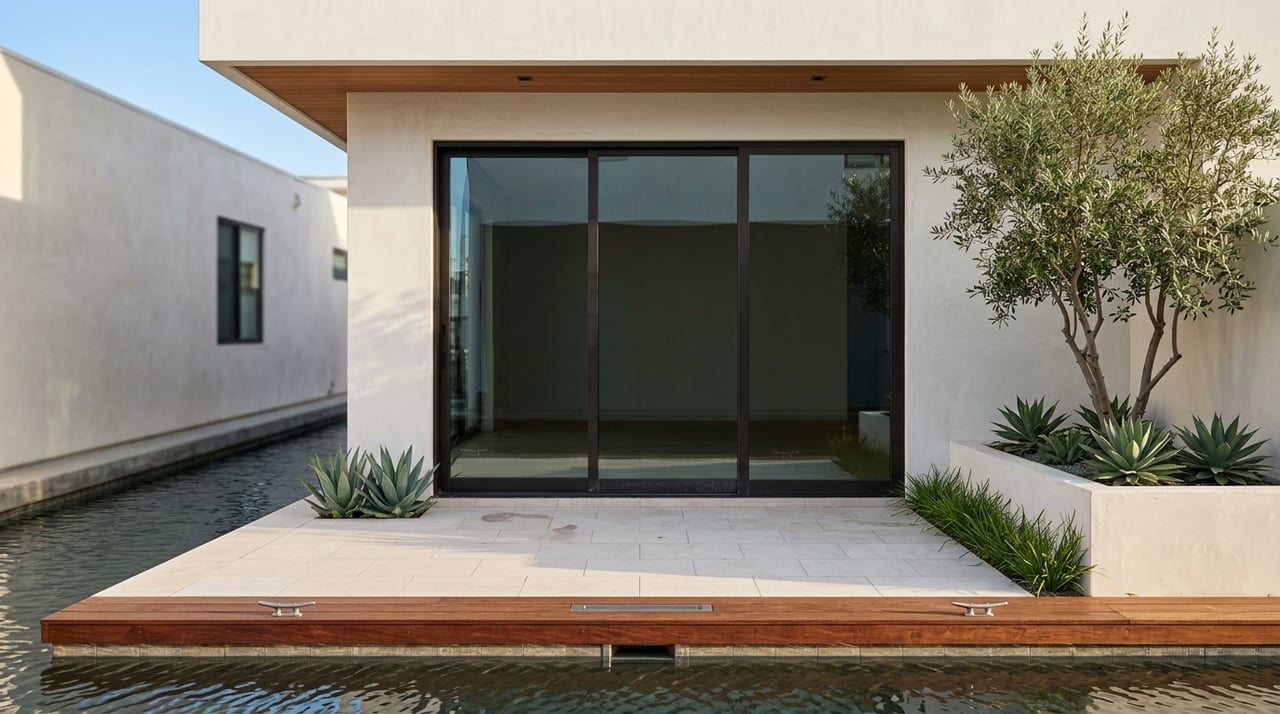
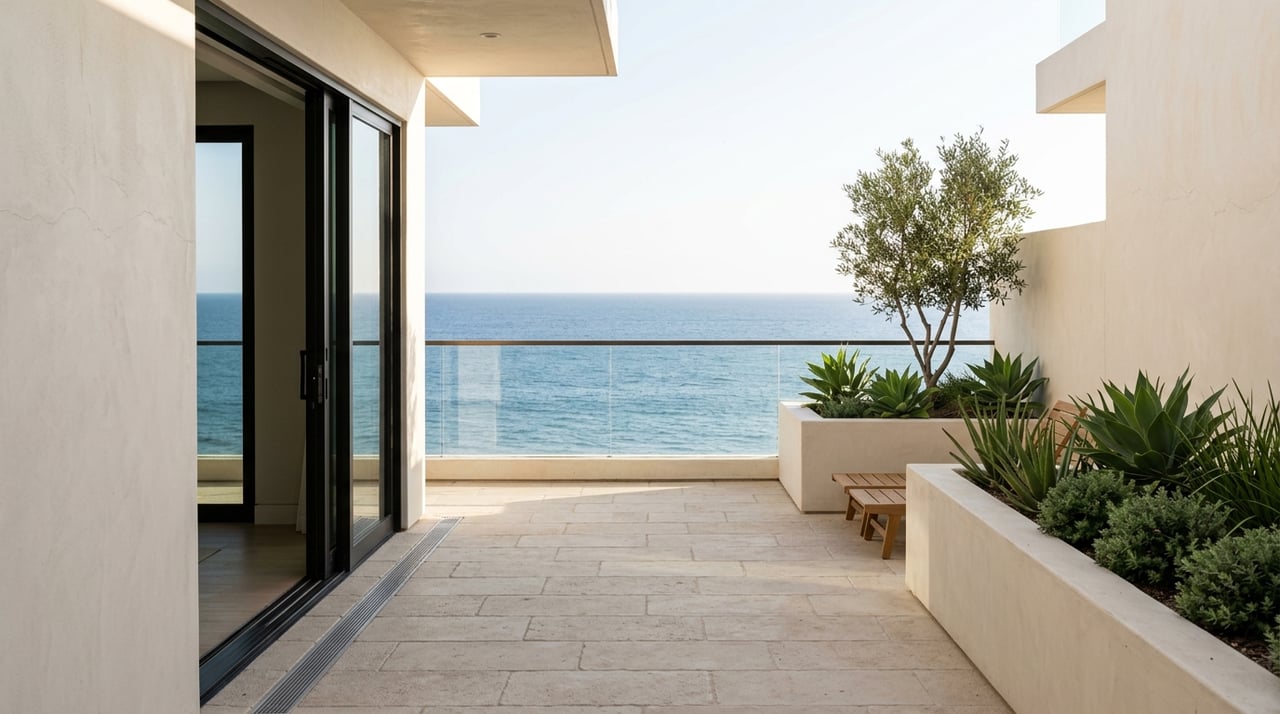
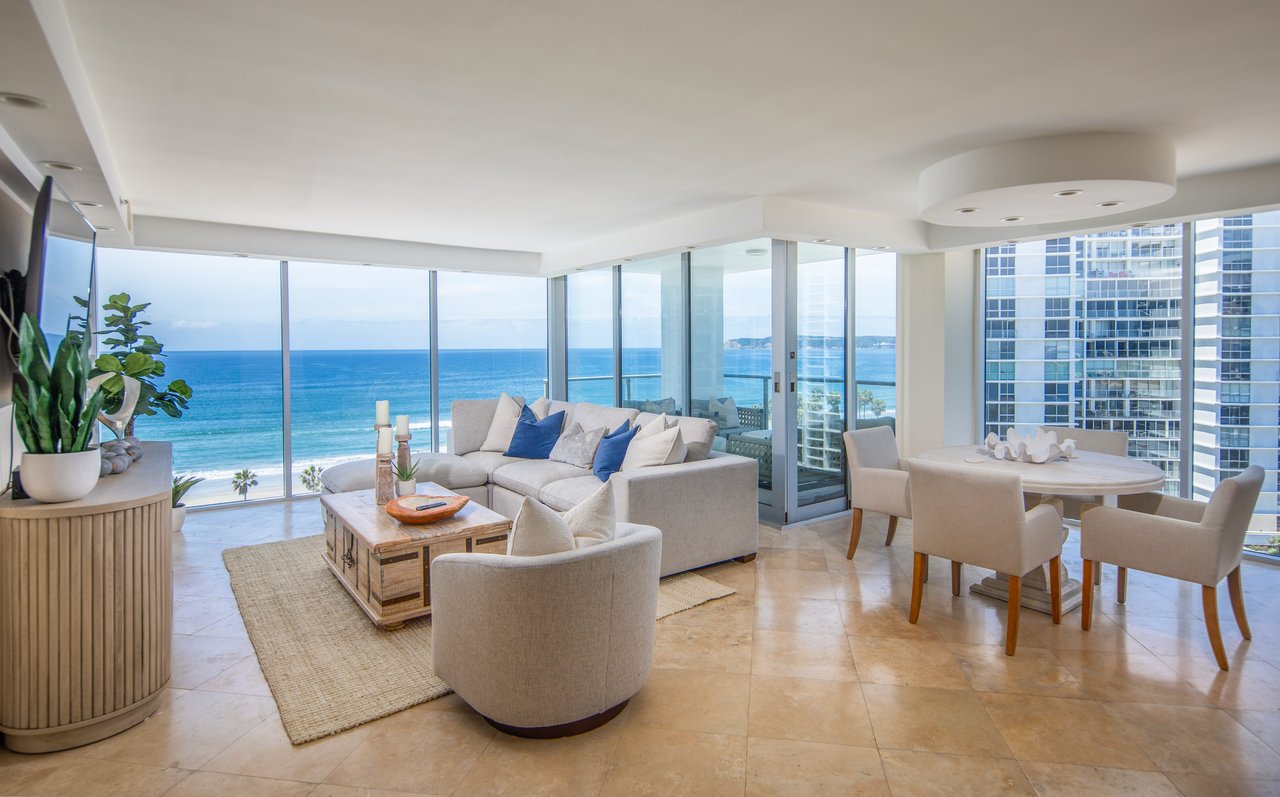
Top-tier or highly customized properties often need bespoke marketing and more time to find the right buyer. Extended photography, video, private broker events, and global distribution can improve results but may lengthen the on-market period. Plan for flexibility and allow additional time for appraisal support on unique homes.
Historic homes in Coronado
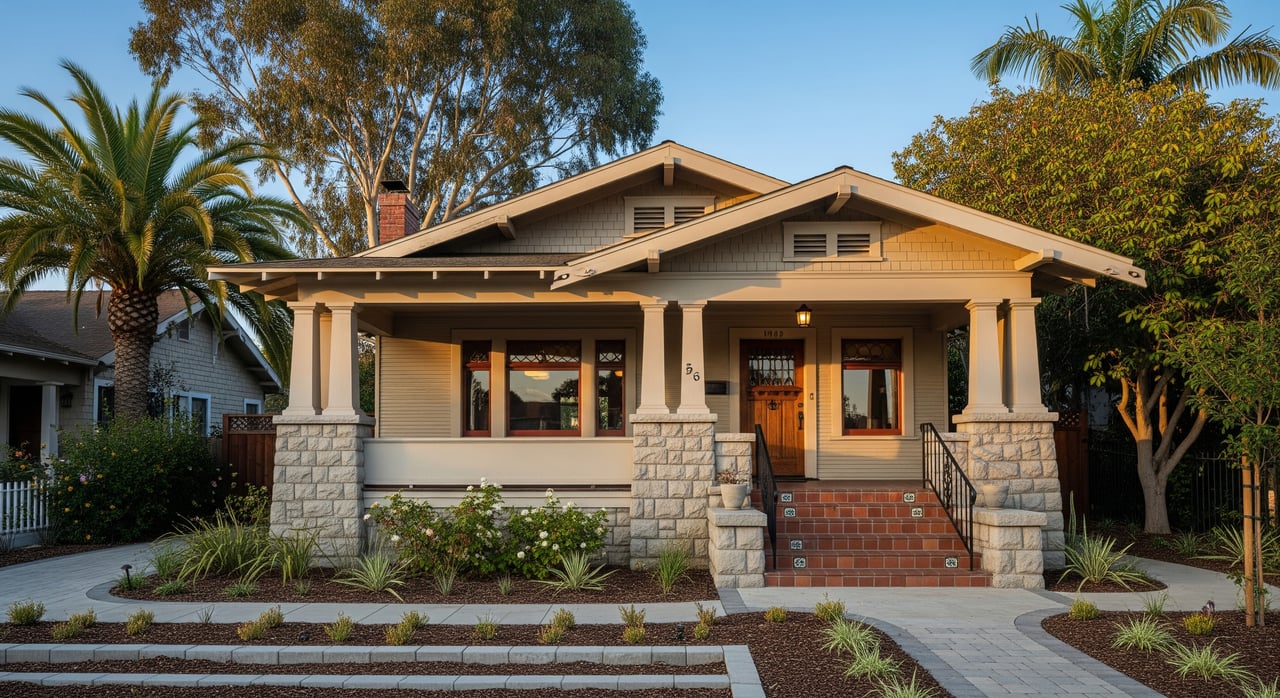
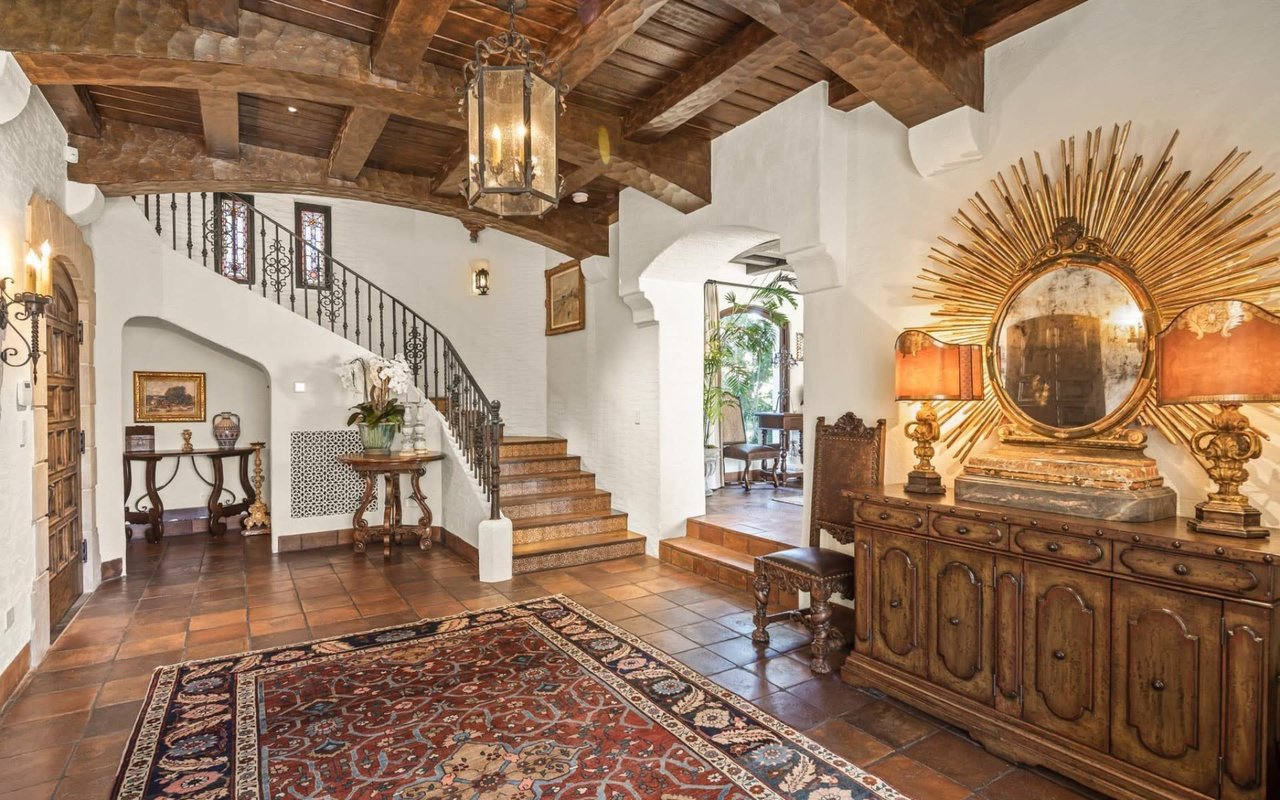
As of December 4, 2025, Coronado’s amended Historic Resource Code and citywide historic inventory are in effect. If your property is designated or potentially historic, exterior changes and demolition may require review through the Historic Preservation Program. Buyers may also ask about the HAP process and Mills Act eligibility. Get details on the City’s program here: Coronado Historic Preservation.
Coastal hazards and flood considerations
Low-lying bayside and beachfront areas can face coastal flooding, tidal inundation, and storm-surge exposure. Buyers and lenders will evaluate insurability and the NHD, and they may request flood insurance quotes during escrow. Coronado’s planning work on sea-level rise provides helpful context; explore the City’s Sea Level Rise Vulnerability Assessment and Adaptation Plan.
Tenant-occupied properties
Selling with tenants in place usually extends showings due to coordination and notice requirements. Consolidate showings, provide written notice, and consider a rent reduction or a post-close occupancy agreement to encourage cooperation. Comply with California Civil Code §1954 to protect timelines and relationships.
How to speed up your sale
- Order disclosures and HOA documents early. Request the NHD and any HOA resale/estoppel packet at or before listing. This prevents a common 7–14 day delay later. See NHD basics here: California NHD overview.
- Complete the TDS up front. Delivering the TDS per Civil Code §1102 early reduces rescission risk and keeps escrow on track.
- Invest in staging and visuals. The NAR home staging report shows a strong link between staging and faster, higher offers.
- Pre-list inspections. Address known repairs before launch to avoid escrow renegotiations and re-inspections.
- Appraisal prep. Provide a concise improvements list and smart comps, especially for unique or high-end homes.
- Tight escrow coordination. A proactive escrow/title team tracks HOA packets, payoffs, and wiring to prevent last-minute funding delays. See timeline norms in this escrow overview.
Example 6-week seller calendar
- Week 0: Decide to sell, sign the listing agreement, gather permits, warranties, and HOA contact info.
- Week 1: Declutter and complete minor repairs. Engage staging or virtual staging. Schedule premium photography and floor plans. Order NHD and, if applicable, start the HOA resale packet.
- Week 2: Go live. Host agent previews and coordinate showings. The first 7–14 days are the most active.
- Weeks 3–4: Review interest and offers. Negotiate terms and open escrow upon acceptance.
- Escrow Days 0–17: Buyer inspections per contract (commonly 7–17 days). Answer requests quickly to stay on schedule.
- Escrow Days 7–21: Appraisal ordered and completed. Provide documentation of improvements and comps if needed.
- Escrow Days 22–45: Underwriting, conditions, and clear-to-close. Deliver the Closing Disclosure 3 business days before signing.
- Final 3 days: Final walkthrough, signing, and recording. Keys released per contract.
Common delays to avoid
- HOA packet timing. Order HOA resale/estoppel documents at listing to avoid escrow extensions. For Coronado Cays, confirm the association’s process through CCHOA.
- Appraisal gaps on unique or luxury homes. Prep a concise comps and improvements packet to support value.
- Unpermitted work. A pre-list permit check can prevent late-stage discoveries that slow escrow.
- Flood and insurance questions. Bayside or beachfront properties may prompt insurance reviews. Share NHD and any recent insurance quotes early, and refer buyers to the City’s sea-level rise planning resources.
Selling in a market shaped by Naval Base Coronado relocations, seasonal demand, and a mix of luxury and historic homes means timing is everything. With smart prep, disciplined pricing, and proactive document ordering, you can keep your sale moving and protect your bottom line. If you would like a tailored calendar for your address and property type, we are here to help from staging to closing.
Ready to design your ideal timeline and go to market with confidence? Schedule a private consultation with The Clements Group for a fully managed, concierge experience from preparation through closing.
FAQs
How long do most Coronado homes take to sell in 92118?
- Many homes sell within 1–6+ weeks on market, followed by a 30–45 day escrow if financed; luxury or waterfront properties may require more time to find the right buyer.
What inspections and disclosures should I complete before listing?
- Complete the TDS early and order the NHD; consider pre-list inspections for termite/WDO, roof, or sewer laterals to prevent 1–2 week delays during escrow.
How do HOA documents affect my timeline in Coronado Cays or a condo building?
- HOA resale/estoppel packets can take days to weeks and are required by buyers and lenders, so order them at listing to avoid escrow extensions.
What are typical contingency windows in California?
- Inspection/investigation often runs about 7–17 days, while appraisal typically returns in 7–14 days and loan approval follows within the 30–45 day escrow window.
How does Coronado’s historic program change my preparation?
- As of December 4, 2025, properties that are historic or potentially historic may require review for exterior work; disclose status and allow extra time for buyer review and documentation.
What should I know about coastal hazards and insurance for bayside or beachfront homes?
- Buyers and lenders review flood exposure and insurability through the NHD and may request quotes, so share those early and reference the City’s sea-level rise planning resources for context.