Why do two Coronado homes that look similar end up with very different price tags and outcomes? In 92118’s luxury tier, it comes down to how scarce supply meets determined demand. You want clarity you can act on, not noisy headlines or one‑month spikes. In this guide, you’ll learn how to read the key indicators that actually move prices in Coronado and how to use them to your advantage as a seller or buyer. Let’s dive in.
Coronado supply: scarce by design
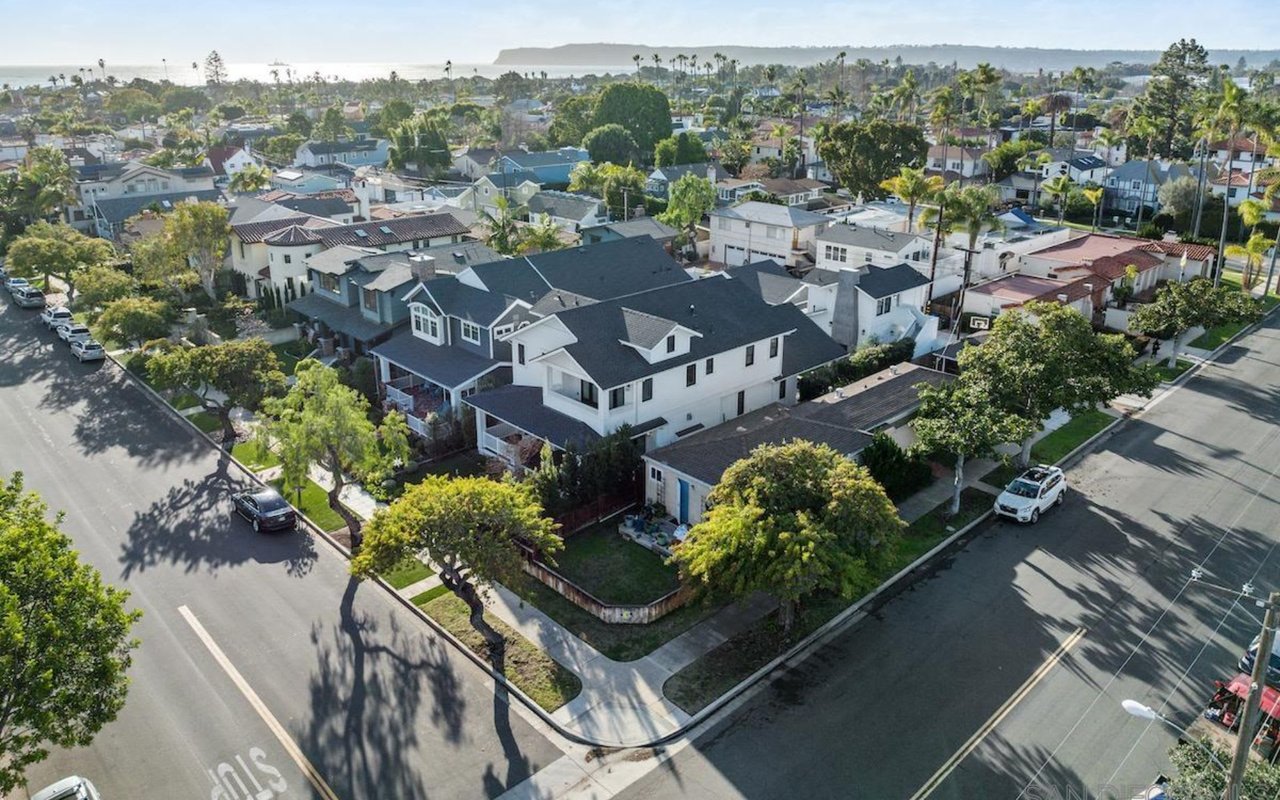
Coronado is a compact, mostly built island community. There is very little open land, and local planning emphasizes preserving scale and character, which limits large new development. That kind of structural scarcity supports values over time. You can see this context in the city’s housing and planning materials that focus on preservation and constrained land use (Coronado Housing Element context).
Local rules also limit the easy conversion of homes into nightly short‑term rentals. Coronado’s municipal code regulates transient occupancy in residential zones, which removes a common pressure point found in many coastal towns and helps stabilize the residential market (transient occupancy regulations).
Because supply is tight and unique, small changes in active listings can look dramatic. One provider can show a small weekly active count, while a month‑end snapshot may appear higher simply due to different timing and definitions. That is why you should compare rolling 3‑ to 6‑month trends instead of a single week or month.
Demand in 92118: who is buying and why
Luxury buyers in Coronado pay for location, views, and turnkey condition. Many use flexible financing or cash, which can support strong sale‑to‑list performance on standout properties. Nationally, the share of all‑cash purchases has been elevated in recent years, concentrated in higher‑end and coastal markets. That backdrop matters in Coronado because cash reduces closing risk and can sustain pricing on premium listings (ATTOM cash‑buyer trend).
Local economic anchors also support demand. Coronado’s proximity to downtown San Diego, the beach and bay lifestyle, and institutional presence nearby keep a steady pool of qualified buyers and renters in the pipeline.
Read the numbers without the noise
Prices with context, not whiplash
At the end of 2025, Realtor.com reported a median list price near $3.15 million for ZIP 92118. In January 2026, Redfin’s median sale price for Coronado was about $2.94 million with roughly 12 closings in that month. With so few sales, medians can swing month to month. Use multi‑month ranges to see the true trend, and pair medians with counts to avoid being misled by a handful of high‑end transactions.
Months of inventory: what it really means
Months of inventory (MOI) estimates how long it would take to sell the current supply at the recent sales pace. It is a helpful screening tool, but in luxury segments it is volatile because each sale moves the needle. If you see a short‑window MOI that looks high, it can reflect a burst of new high‑price listings or a slow closing month, not a fundamental shift. Orchard’s recent 30‑day snapshot for 92118 showed MOI near nine months in one window, which, on its own, would read as a buyer‑tilted market. In a small sample like Coronado, you need a 3‑ to 6‑month view to confirm a real change (Orchard 92118 market snapshot).
If you want formal definitions for MOI, absorption, and related terms, a standard glossary can help you align the math with what you see in the field (metric definitions).
Sale‑to‑list and absorption: signals of pricing power
Sale‑to‑list ratio measures how close the final sale price comes to the last list price. In recent snapshots, Coronado’s figures have sat in the high‑90s, depending on provider and month. That tells you well‑positioned listings are often achieving close to asking. If you see the ratio drift down into the mid‑90s for several months, it is a sign of softening and more room for negotiation. Track the percent of above‑list sales alongside the median to gauge competitive pockets.
Absorption, the rate at which listings go under contract, complements MOI. When absorption rises while new listings remain limited, sellers gain leverage. When it falls and active inventory builds across multiple months, buyers usually gain leverage.
Days on market: useful, but pair it
Days on market (DOM) has recently hovered around 40 to 45 days in Coronado’s snapshots. On its own, DOM can be noisy in a small market. Pair it with the ratio of pendings to new listings and the sale‑to‑list trend to understand whether buyer urgency is increasing or easing.
Why sources differ — and how to reconcile them
Different platforms count actives, pendings, and solds on different cadences. A weekly feed can show a far smaller active snapshot than a month‑end total. One month, you might see roughly two dozen actives in a weekly read, while another provider shows more than 80 at month end because of window size and status handling. The fix is simple:
- Compare like with like. Match the same provider and window when you trend.
- Note the reporting date in your analysis, for example, “Dec 2025 median list” or “Jan 2026 median sale.”
- Use 30/90/180‑day rolling views to smooth one‑off listings and luxury outliers.
Macro winds: rates, sentiment, and coastal risk
Mortgage rates shape the non‑cash buyer pool. Freddie Mac’s survey reported an average 30‑year fixed rate of about 6.09 percent for the week of February 12, 2026. Lower rates usually bring more financed buyers back, which can lift competition; higher rates can thin that pool and tilt the field toward cash (Freddie Mac PMMS archive).
Statewide expectations also color local behavior. The California Association of Realtors forecast for 2026, published in late 2025, called for modest improvements in sales and slight upward pressure on the median price. Treat this as backdrop for sentiment rather than a Coronado‑specific prediction, but it helps explain why both buyers and sellers may feel a bit more confident in 2026 (CAR 2026 forecast summary).
On the coast, long‑term climate and insurance considerations are part of due diligence. NOAA’s Sea Level Rise Viewer is the authoritative way to explore long‑term scenarios at a neighborhood scale. Many Coronado properties show minimal near‑term flood risk in popular data feeds, but it is smart to check authoritative sources and factor potential adaptation costs into hold‑period plans (NOAA Sea Level Rise Viewer).
What this means for Coronado sellers
When supply is structurally limited and sale‑to‑list ratios sit in the high‑90s across a rolling window, you have pricing power, but buyers are also selective. Presentation and precision matter.
- Price to the most recent 30/90‑day comparable sales, not just a single median. Adjust for uniqueness, view, and updates.
- Invest in preparation. Staging, pre‑market repairs, and design‑forward visuals shorten DOM and protect the first two weeks of showings when momentum is highest.
- Watch MOI and absorption over 3 to 6 months. If MOI stays low and absorption rises, push for minimal concessions. If MOI climbs and sale‑to‑list edges down, expect longer timelines and be ready to adjust.
- Align your launch with realistic buyer windows rather than chasing a calendar myth. The right prep and pricing beat a “perfect” month.
If you want a fully managed process, The Clements Group delivers concierge‑level listing readiness, premium staging and marketing, and seamless lender coordination and bridge‑loan support to protect your timing and net.
What this means for Coronado buyers
In a low‑supply luxury market, speed and clarity win. You want to be ready for the home that fits your lifestyle and hold period.
- Get fully underwritten, or use cash if it aligns with your plan. In multiple‑offer settings and above‑list pockets, strong terms speak loudly.
- Focus on micro‑location and uniqueness. Beachfront, bay, and village properties can move very differently, even in the same month.
- Use local comps and a 30/90/180‑day view. Public medians can whipsaw in Coronado’s small sample size.
- Tighten due diligence. For condos, review HOA reserves and upcoming projects. For homes, scrutinize permits and entitlements for any planned remodel. Check climate and insurance factors using authoritative tools like NOAA.
- Negotiate strategically. If DOM lengthens and MOI rises, ask for concessions, repairs, or credits. If above‑list sales are common in your segment, tighten contingencies and lead with your strongest terms.
The Clements Group can curate on‑ and off‑market options, coordinate inspections, and help structure financing or a bridge solution so you can move with confidence when the right property appears.
The bottom line
Coronado’s luxury prices are set where tight, lumpy supply meets motivated, often well‑capitalized demand. Medians and months‑of‑supply will swing in a small market, but the underlying rules are steady: look at rolling trends, pair MOI with sale‑to‑list and absorption, and negotiate based on momentum, not noise. If you want a private, data‑driven plan to sell at a premium or buy with confidence, connect with The Clements Group.
FAQs
What is months of inventory in Coronado and why does it swing?
- MOI estimates how long current listings would take to sell at the recent pace, and in Coronado it swings because a few luxury closings or new listings can move the math in a small sample.
Why do provider prices differ for 92118?
- Platforms use different time windows and status rules, so a weekly snapshot can show very different medians and actives than a month‑end report even in the same period.
How common are cash buyers in Coronado’s luxury market?
- Nationally cash shares have been elevated in recent years and that strength is often concentrated in coastal luxury markets like Coronado, which supports firm sale‑to‑list outcomes.
How do mortgage rates affect luxury prices in 92118?
- Higher rates thin the financed buyer pool and boost cash leverage, while lower rates bring more financed buyers back and can increase competition for well‑priced homes.
Do Coronado’s short‑term rental rules affect property values?
- Rules that limit transient occupancy reduce rapid conversion to nightly rentals, which can stabilize the residential market and support owner‑occupant demand over time.
What is the best way to time my listing in a small market?
- Prioritize preparation and pricing to the latest 30/90‑day comps, then monitor MOI, absorption, and sale‑to‑list across months rather than chasing a single “perfect” season.