Buying a home in Coronado from another state can feel equal parts exciting and risky. You may be trying to judge a block, a view, or a waterfront location through a screen while also managing timing, inspections, escrow, and closing details from hundreds or thousands of miles away. The good news is that you can buy remotely with confidence when you understand Coronado’s local rules, neighborhood differences, and California closing logistics. Let’s dive in.
Why Coronado requires local context
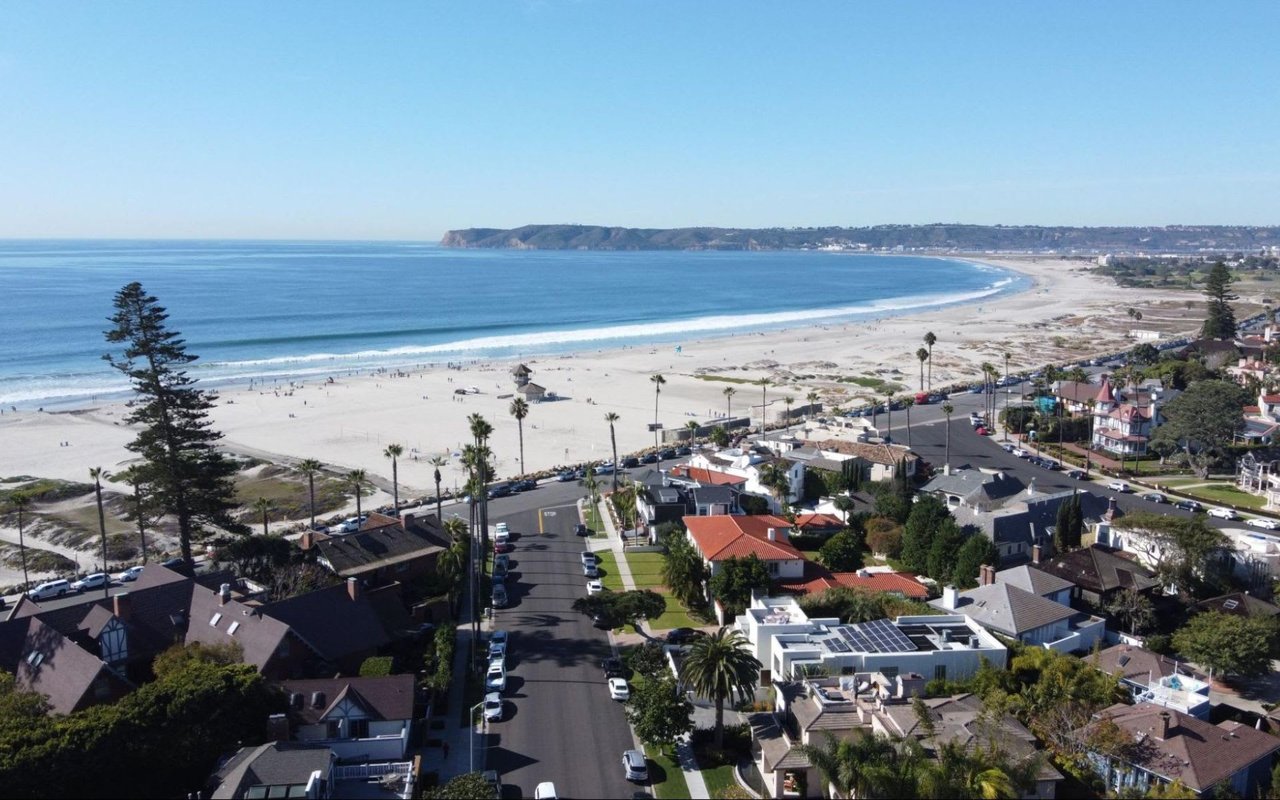
Coronado is a compact coastal city bordered by the Pacific Ocean and San Diego Bay, with access to the mainland by the Silver Strand and the San Diego-Coronado Bridge. The city also welcomes about two million visitors each year, which means day-to-day living can be shaped by traffic patterns, seasonal activity, parking, and noise in ways that are not always obvious online.
For out-of-state buyers, that local context matters just as much as square footage or finishes. A beautiful home can feel very different depending on beach exposure, nearby commercial activity, commute routes, or how busy the surrounding streets become during peak visitor periods.
Know Coronado’s main residential areas
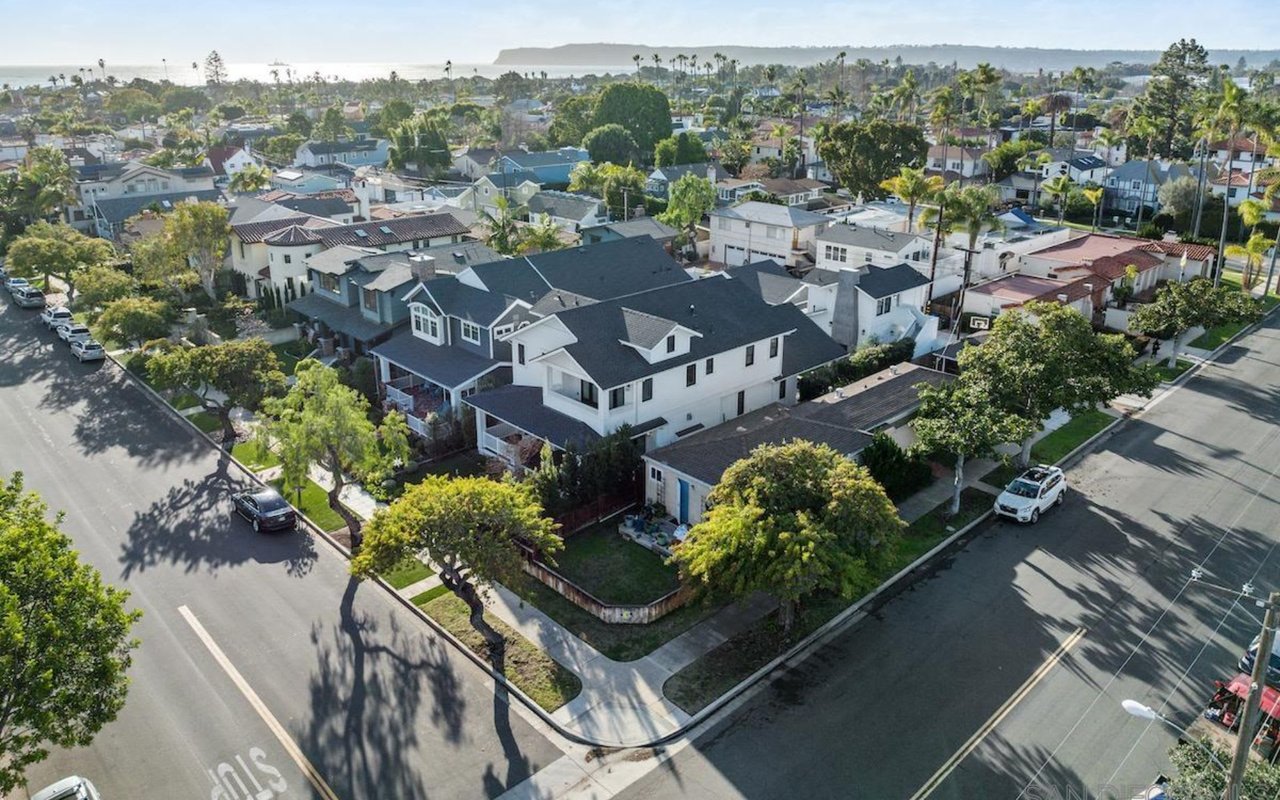
Coronado buyers often focus on three areas: the Village, Coronado Shores, and Coronado Cays. Each offers a different living experience, and those differences are especially important when you are comparing homes remotely.
Village living
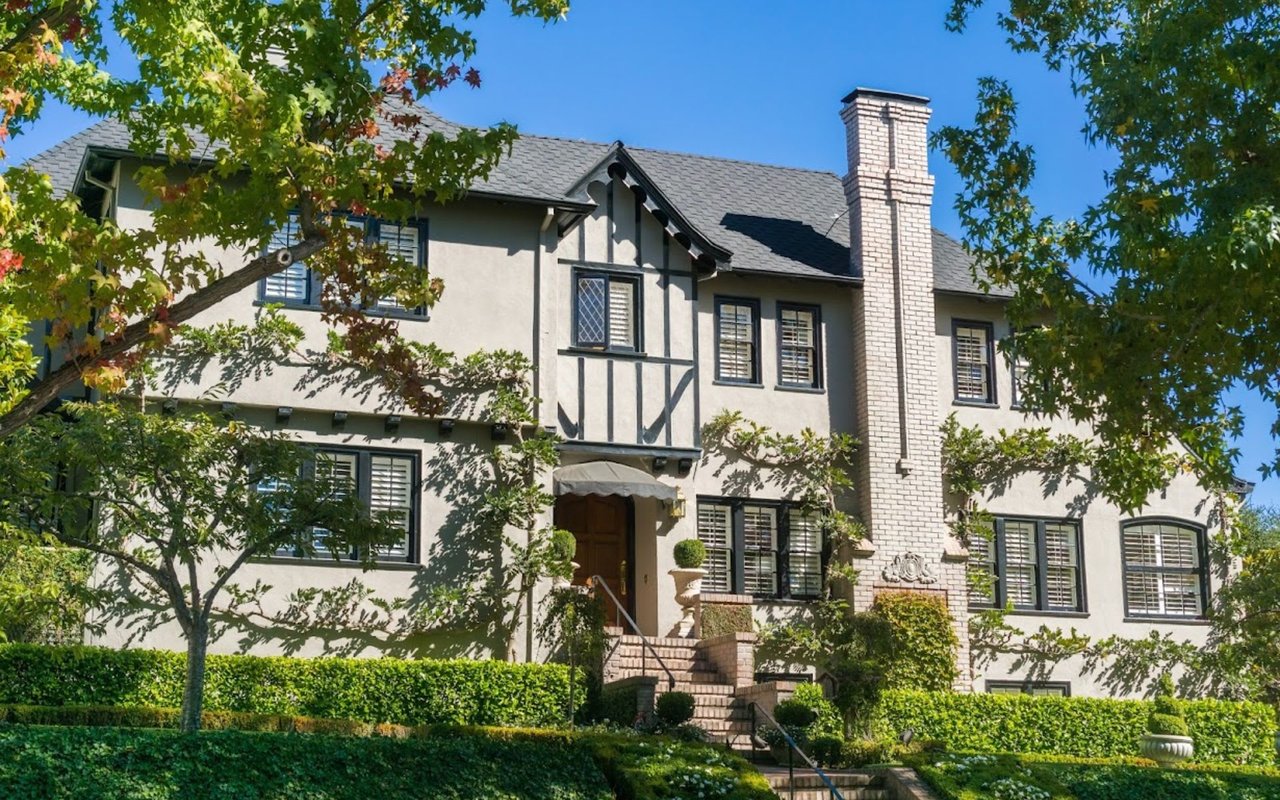
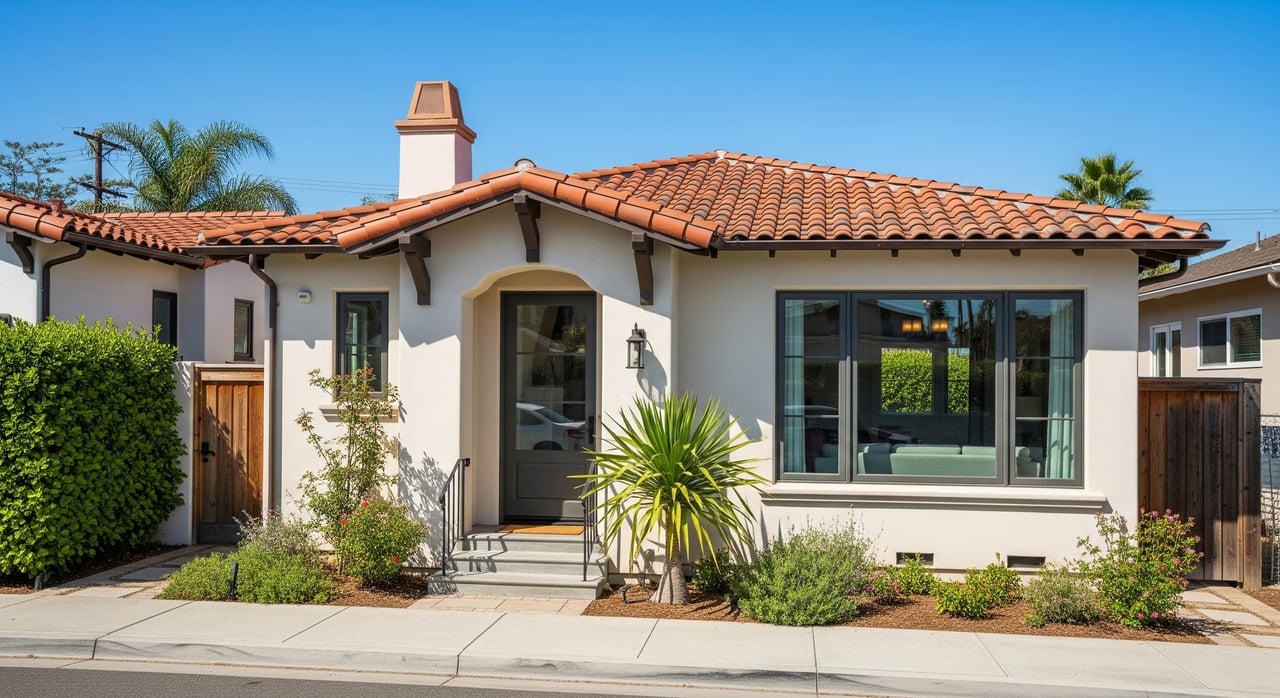
The Village is often where buyers look for single-family homes, historic properties, and walkable access to shops, parks, and beaches. If you are buying here from afar, it helps to evaluate not only the home itself but also street parking, block activity, and the feel of nearby intersections.
Coronado Shores lifestyle
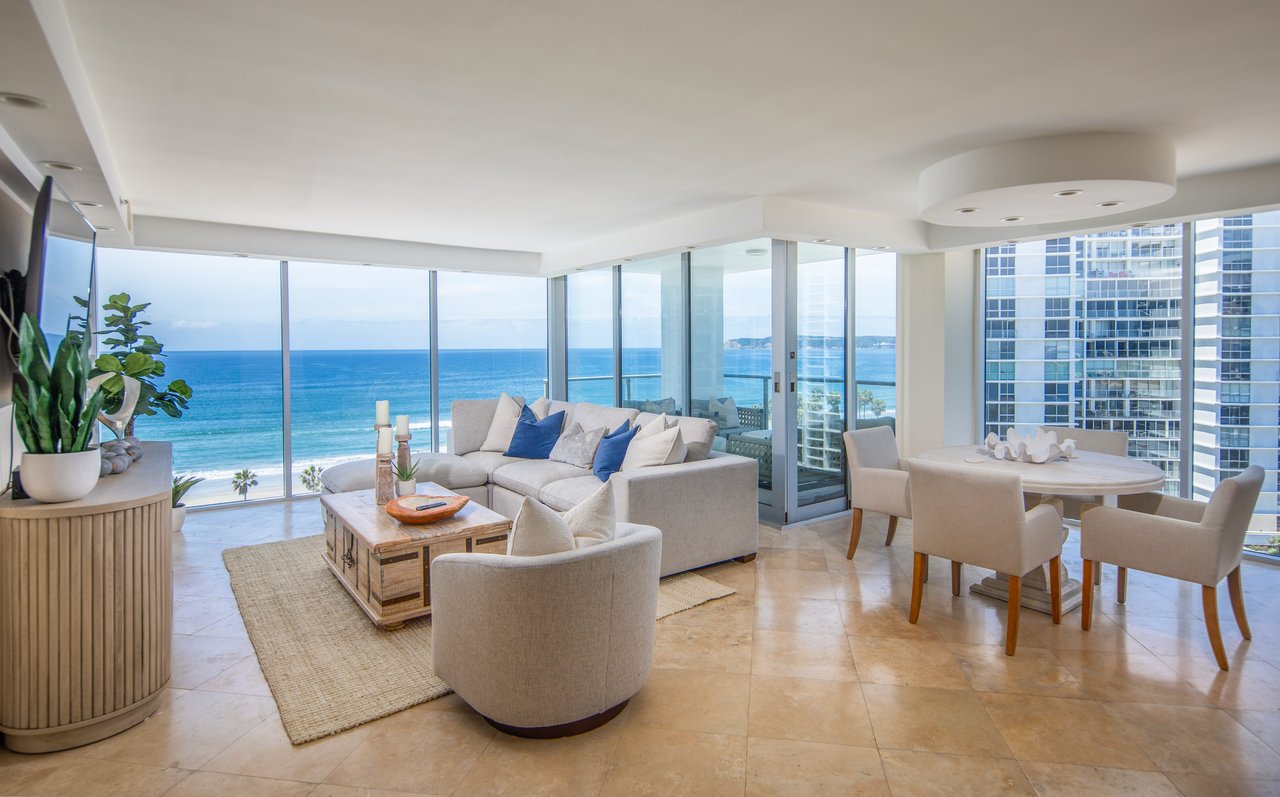
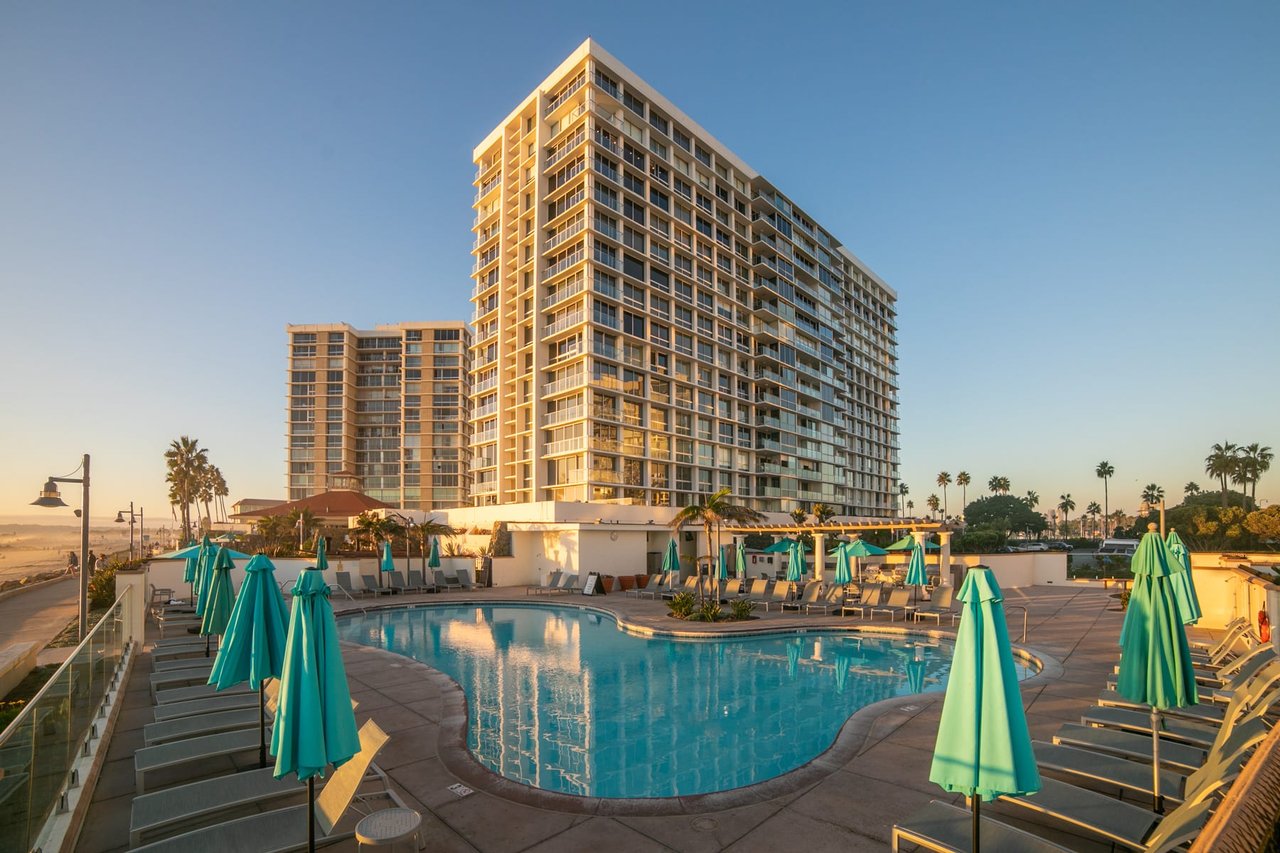
Coronado Shores is commonly associated with coastal high-rise and condominium living. For remote buyers, details like tower orientation, exposure, building amenities, parking setup, and how the unit relates to surrounding buildings can have a big impact on daily use and long-term enjoyment.
Coronado Cays features
The Cays is a planned residential community south of the Village along Silver Strand Boulevard. Buyers drawn to the Cays often prioritize bay access, marina or dock features, and a quieter setting, but these properties can come with additional layers of waterfront and permitting review.
How to tour Coronado from out of state
When you cannot be there in person, your home search should go beyond polished listing photos. Floor plans are especially helpful because they show layout and flow in a way still images often cannot.
A strong remote showing should also include the street, neighboring structures, parking, sight lines, and surrounding activity. In Coronado, that means asking for video that captures the approach to the property, nearby traffic flow, beach or bay exposure, and the practical feel of the block at different times of day.
Look beyond the front door
In Coronado, lifestyle is tied closely to mobility and access. The city subsidizes a commuter ferry between Coronado Ferry Landing and Broadway Pier and also operates seasonal shuttle service, so transportation options can shape how convenient a home feels in daily life.
If you expect to commute, host guests often, or use the property as a second home, ask for a practical orientation to nearby routes and access points. A home that looks ideal online may feel very different once you understand how you will move to and from it.
What to ask during virtual showings
A well-run virtual showing should answer questions you would normally solve on your own in person. Ask your agent to show the home slowly and with context, not just as a highlight reel.
Helpful questions include:
- What does the street look and sound like from the front entry?
- How much guest or street parking is nearby?
- What buildings or structures affect privacy and views?
- How does natural light change throughout the day?
- What is the route to the beach, bay, ferry, or main roads?
- Are there any visible exterior conditions to flag now?
Plan inspections early and thoroughly
If you are buying from out of state, inspection is not a formality. It is one of your most important layers of protection.
California guidance supports using inspection contingencies and evaluating systems such as the roof, foundation, HVAC, plumbing, solar, septic, and termite or pest conditions as relevant to the property. For coastal homes, it is also smart to ask about flood or disaster history and get an insurance estimate before you are fully committed.
Even if you cannot attend every inspection in person, you should still treat the process as active due diligence. Request detailed reports, video summaries, and clear follow-up conversations so you understand which issues are routine and which may affect value, safety, or future renovation plans.
Coronado permits matter more than many buyers expect
One of the biggest surprises for out-of-state buyers is how much local review can affect future plans. Coronado’s Community Development Department handles coastal permits, design review, historic preservation, CEQA review, and building inspections, and the city’s coastal plan states that the entire city is within the Coastal zone.
That means a purchase is not only about what the home is today. It is also about what you may want to change later, and whether those changes could require local or coastal approvals.
Remodel plans need review
If you are buying with plans to expand, rework the exterior, or make major improvements, confirm early what approvals may be required. In Coronado, remodels and additions can trigger city and coastal review, so your long-term vision for the property should be part of your due diligence before closing.
Historic homes need extra care
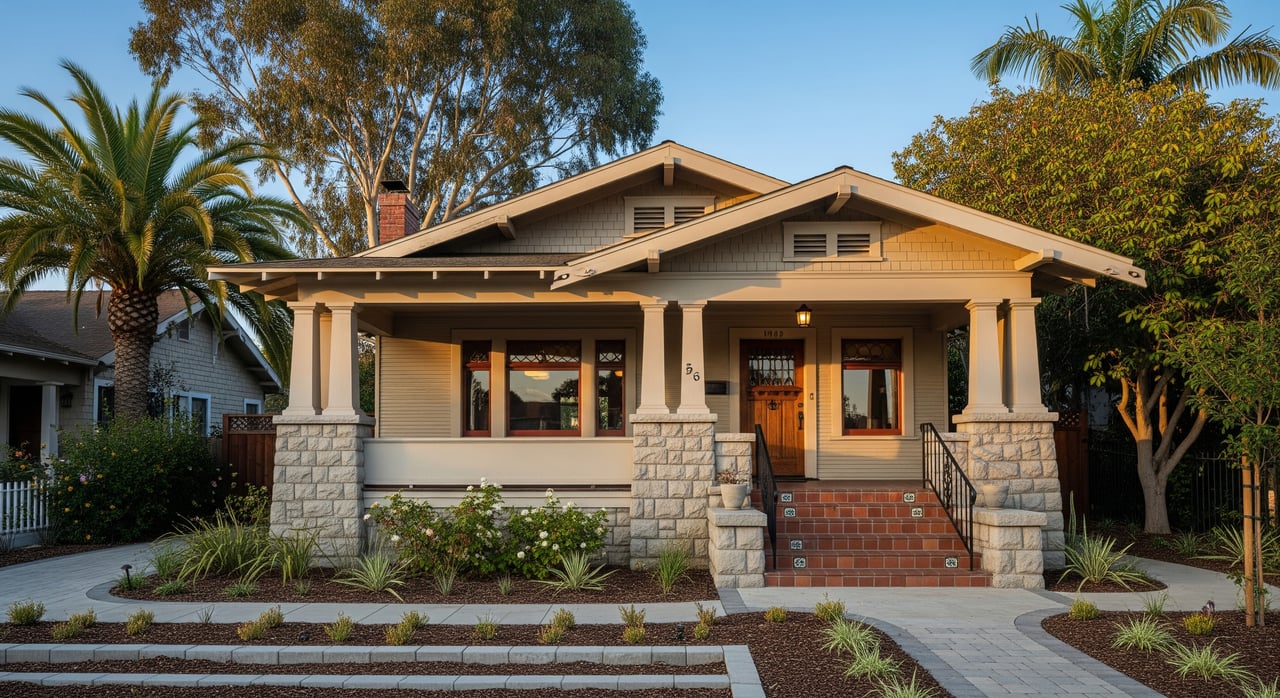
Coronado also administers a historic preservation program. Exterior changes to designated historic resources require a Historic Resource Alteration Permit, and certain 75-plus-year-old buildings may trigger a Determination of Historic Significance review if original street-visible features are being removed or if demolition is proposed.
For some buyers, that added structure is part of the appeal. It can also affect timeline, cost, and design flexibility, so it is worth understanding before you buy.
Waterfront homes and docks require deeper review
Waterfront property can be especially appealing for out-of-state buyers, but it also deserves extra caution. In Coronado, work on boat docks and related improvements requires a dock permit, and for properties in the Cays, HOA Architectural and Environmental Control Committee approval comes first.
From there, additional permit steps may include CEQA or Coastal Commission exemption review and an Army Corps of Engineers permit before the city can issue its permit. If a dock or waterfront improvement is central to your buying decision, make sure you understand what exists today, what is permitted, and what future work may realistically involve.
Understand California escrow and closing logistics
California escrow is typically handled by an independent escrow company or a title insurance company. The California Department of Real Estate advises buyers to verify the escrow company’s licensing and disciplinary history before moving forward.
That matters even more in a high-value market like Coronado, where your closing team may include professionals you have never met in person. A disciplined process helps reduce surprises and keeps everyone aligned as deadlines approach.
Do not assume a fully remote closing
This is an important point for out-of-state buyers. California currently allows electronic notarization only when the signer personally appears, and California law does not yet authorize remote online notarizations.
In practical terms, you should not assume your closing can be completed entirely online from anywhere. Early in escrow, work with your agent, escrow officer, and notary providers to create a realistic signing plan based on your location and timing.
Protect yourself from wire fraud
Wire fraud is one of the most important risks to manage in a remote purchase. The California Department of Real Estate warns that real estate fraud schemes often involve fake emails that change payment instructions, and buyers nearing closing are common targets.
Protect yourself by following a few simple rules:
- Verify wire instructions by phone using a trusted number you already have
- Never rely on a phone number listed only in an email about wiring funds
- Be cautious with any last-minute change in payment instructions
- Never send money to someone you do not know or have not independently verified
These steps are simple, but they are essential.
Budget with property taxes in mind
San Diego County explains that Proposition 13 generally limits annual property tax to 1% of assessed value, plus voter-approved bonds and other fees. Reassessment typically happens when there is a change of ownership or new construction.
For out-of-state buyers, the practical takeaway is straightforward: budget from the likely assessed value after your purchase, not just from a past tax bill or the seller’s current payment amount. This is especially important in Coronado, where purchase prices can differ significantly from prior assessed values.
A smart remote-buying checklist
If you want a cleaner, safer out-of-state purchase in Coronado, keep your process focused on the basics:
- Narrow your search by lifestyle, access, and property type
- Request floor plans and live video, not just edited photos
- Evaluate the street, parking, noise, and surrounding buildings
- Use inspection contingencies and schedule thorough inspections early
- Review permit history and future remodel limitations
- Check whether historic or coastal rules may affect the property
- Verify escrow and title professionals carefully
- Confirm your signing plan well before closing
- Verify wire instructions by phone every time
- Consider San Diego County’s Owner Alert service after closing for added title monitoring
Why experienced local guidance matters
Remote purchases succeed when you pair strong process with strong local knowledge. In Coronado, the difference between a smooth purchase and a frustrating one often comes down to understanding block-by-block context, permit realities, waterfront complexity, and the practical details of a California closing.
That is where a deeply local team can add real value. With long-standing Coronado roots, concierge-level service, and experience guiding complex luxury transactions, The Clements Group can help you evaluate the right property, coordinate due diligence, and move forward with clarity from wherever you are.
FAQs
What should out-of-state buyers focus on first when buying a Coronado home?
- Start with location, property type, and daily-use priorities. In Coronado, street activity, parking, commute routes, and exposure to beach or bay conditions can matter as much as the home itself.
Can you buy a Coronado home without visiting in person?
- Yes, but the safest approach is structured and thorough. Use live video tours, floor plans, independent inspections, permit review, and a clear closing plan that fits California’s notarization rules.
Do Coronado homes have special permit considerations?
- Yes. The entire city is in the Coastal zone, so remodels, additions, and some exterior changes may require coastal or local review. Historic properties may have additional restrictions or approval steps.
What should buyers know about Coronado Cays dock properties?
- Dock-related work can involve multiple approvals. In the Cays, buyers should understand HOA review requirements and potential city, CEQA, Coastal Commission, and Army Corps permitting steps before assuming future changes will be simple.
Are fully remote notarizations allowed for California closings?
- Not at this time. California does not currently authorize remote online notarizations, so out-of-state buyers should confirm their signing logistics early in escrow.
How can out-of-state buyers avoid wire fraud during a Coronado purchase?
- Always verify wire instructions by phone using a known, trusted number. Do not rely on contact details in an email, and be cautious of any last-minute change to payment instructions.
How do property taxes usually work when buying a Coronado home?
- San Diego County states that Proposition 13 generally limits annual property tax to 1% of assessed value, plus voter-approved bonds and other fees. A purchase usually triggers reassessment, so your taxes may be based on your new purchase price rather than the seller’s current bill.