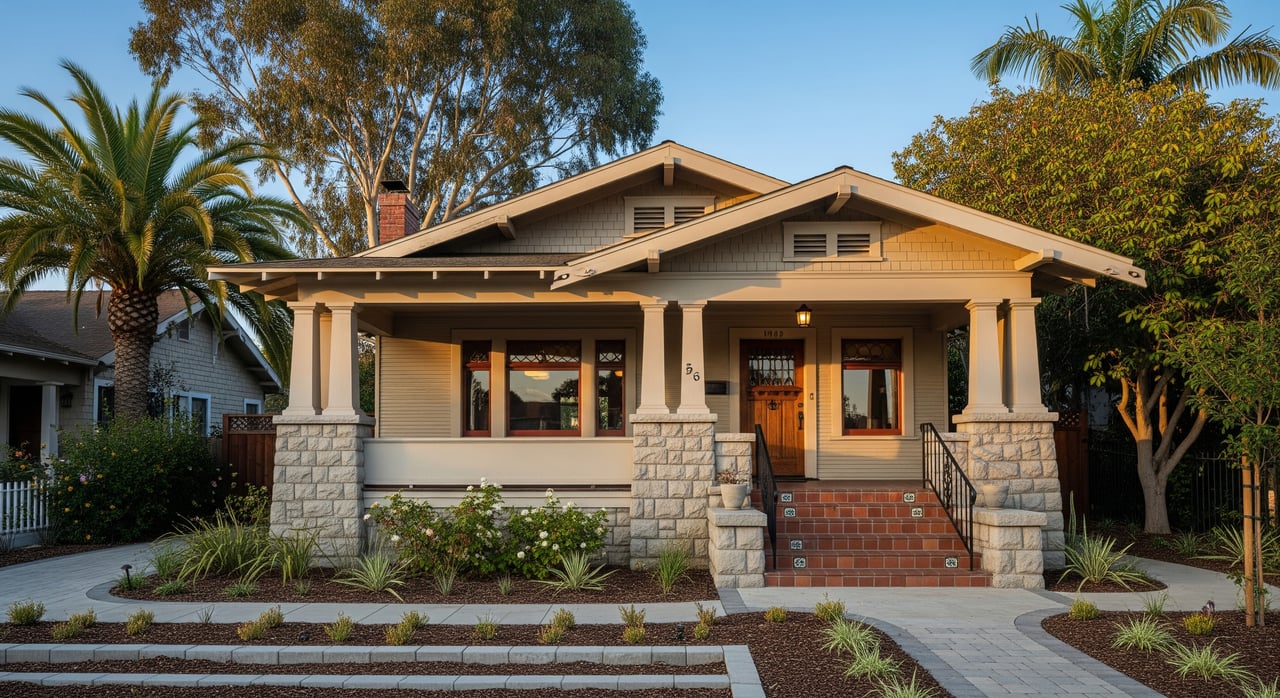
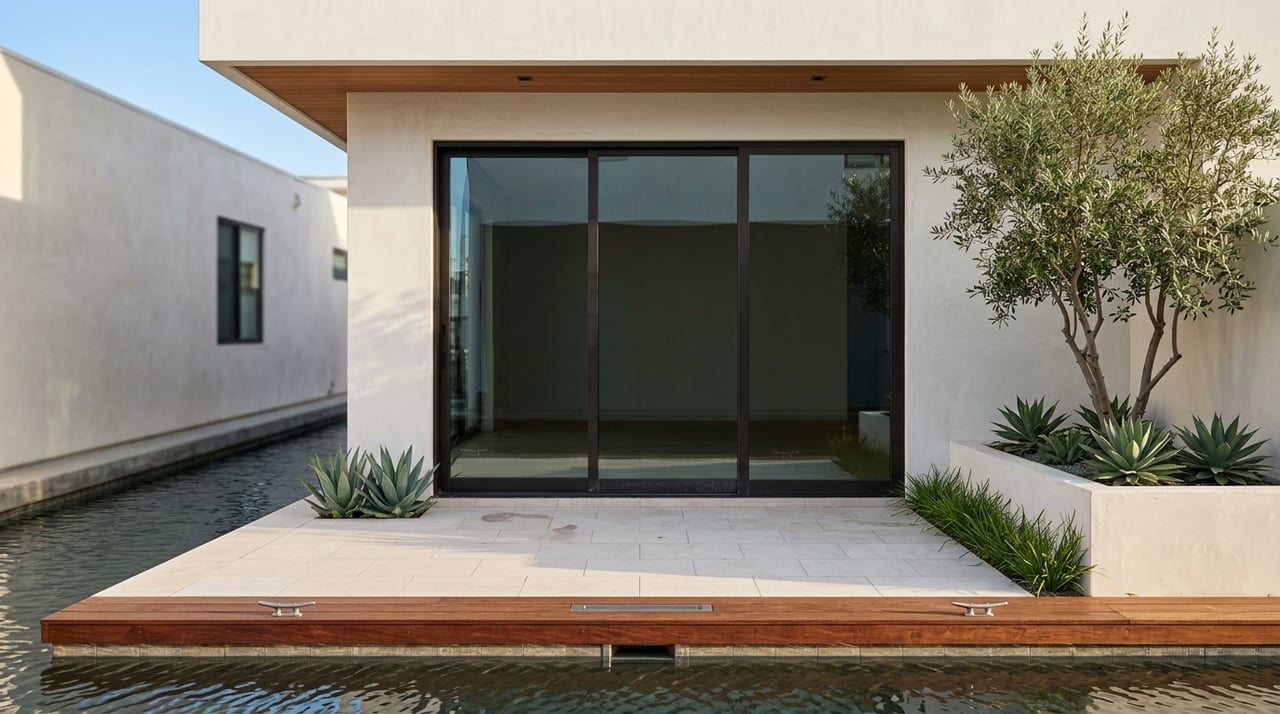
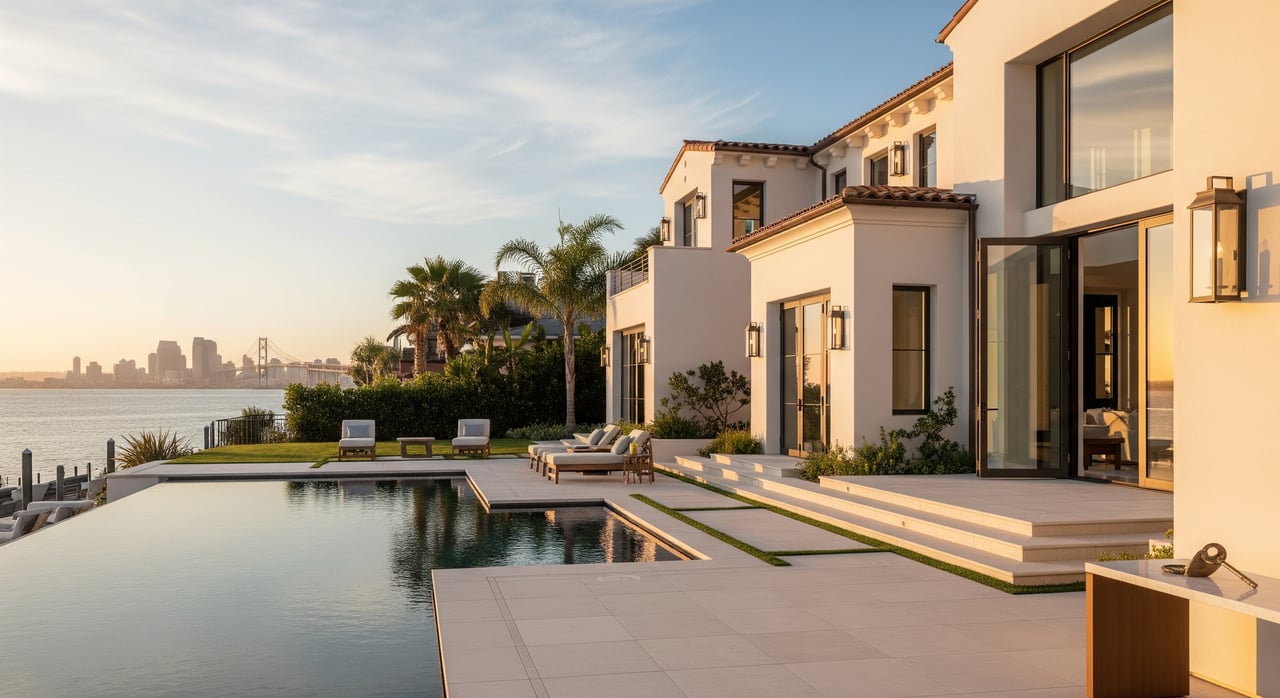
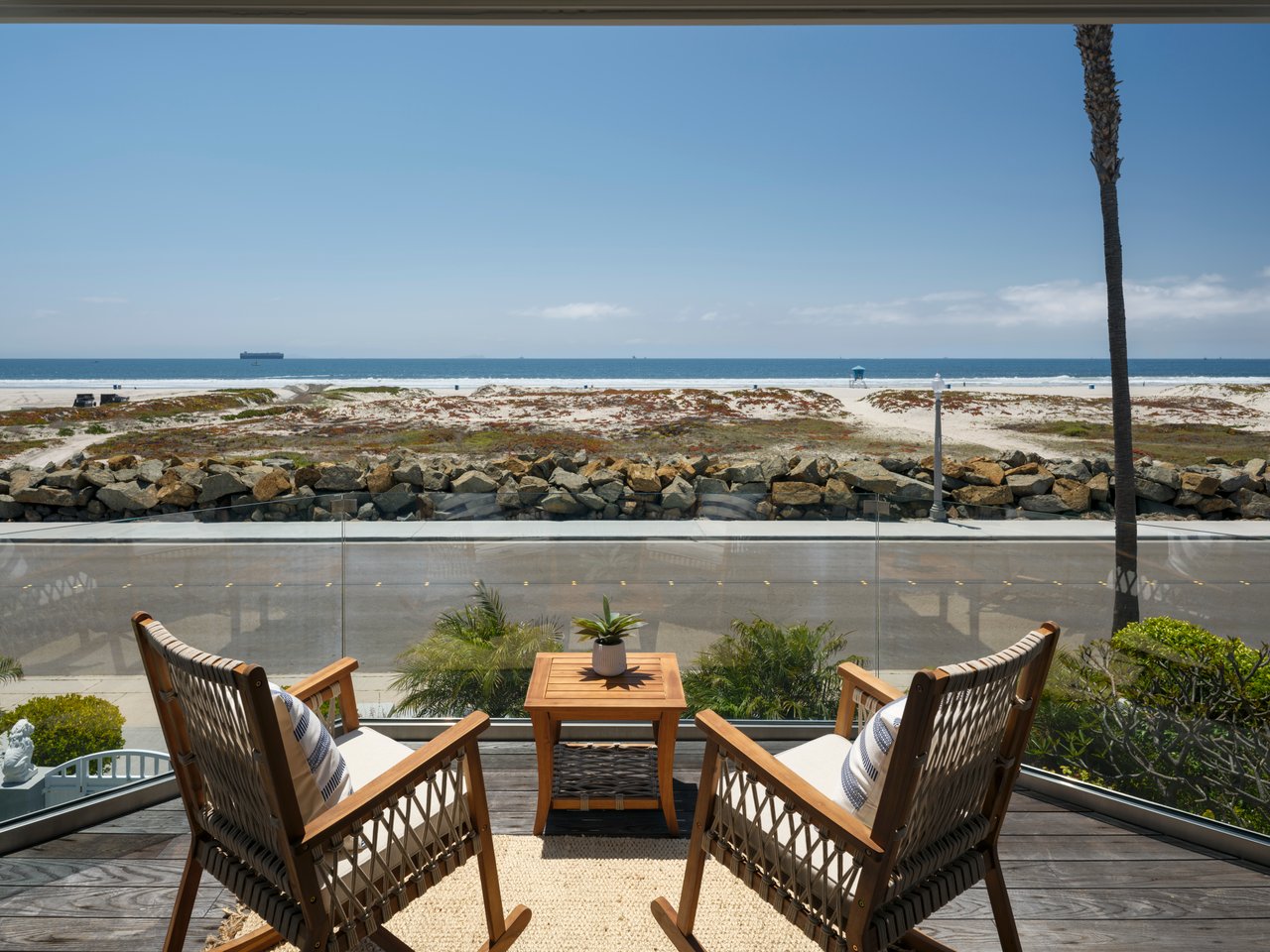
Shopping for a second home in Coronado can feel simple at first glance, until you realize that 92118 offers several very different condo lifestyles in one small coastal market. If you want the right fit, you need to look beyond price and square footage and compare setting, amenities, HOA structure, and rental or guest rules. This guide will help you narrow the field and understand which Coronado condo communities tend to work best for different second-home goals. Let’s dive in.
How Coronado Condo Living Breaks Down
Coronado’s condo and townhome market is unusually segmented for such a compact area. The main second-home choices generally fall into four categories: oceanfront towers at Coronado Shores, bayfront communities near the village like The Landing and Coronado Point, and marina-oriented living in Coronado Cays.
According to the City of Coronado historic context materials, that distinction is part of what makes the area so unique. Coronado’s later 40-foot height limit helped preserve the Shores as a distinctive high-rise option, while newer bayfront communities were designed with view corridors and public access in mind.
Coronado Shores for Oceanfront Living
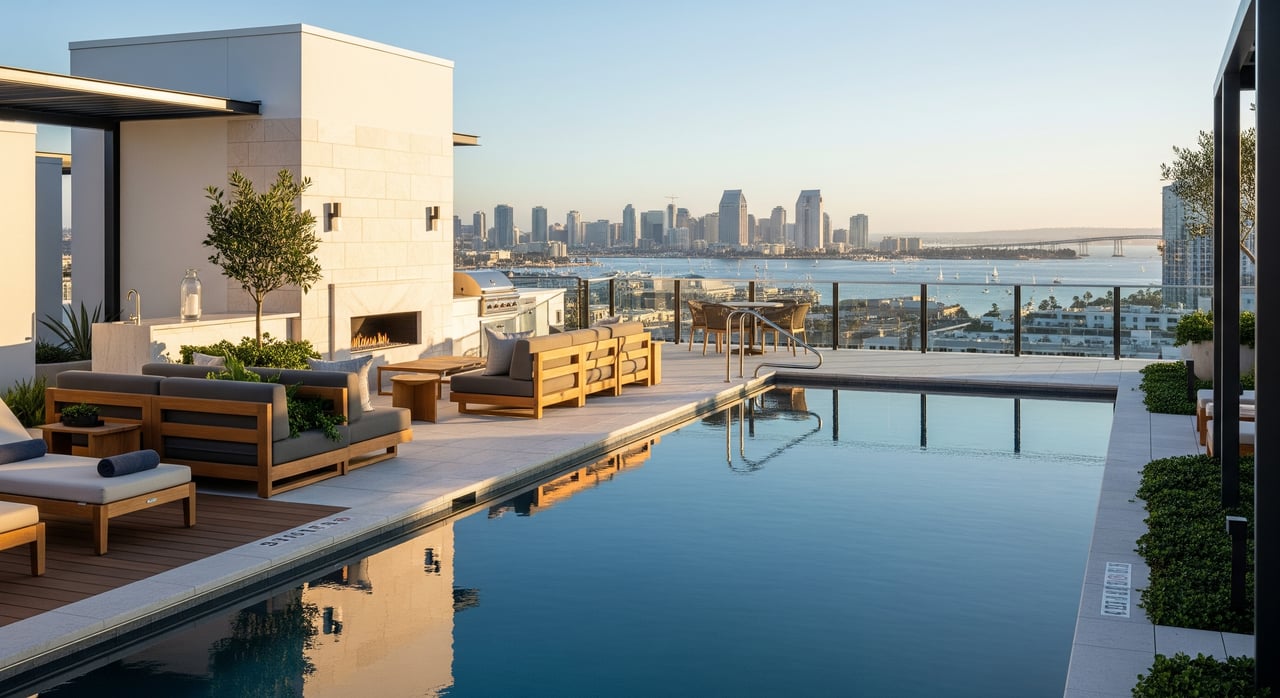
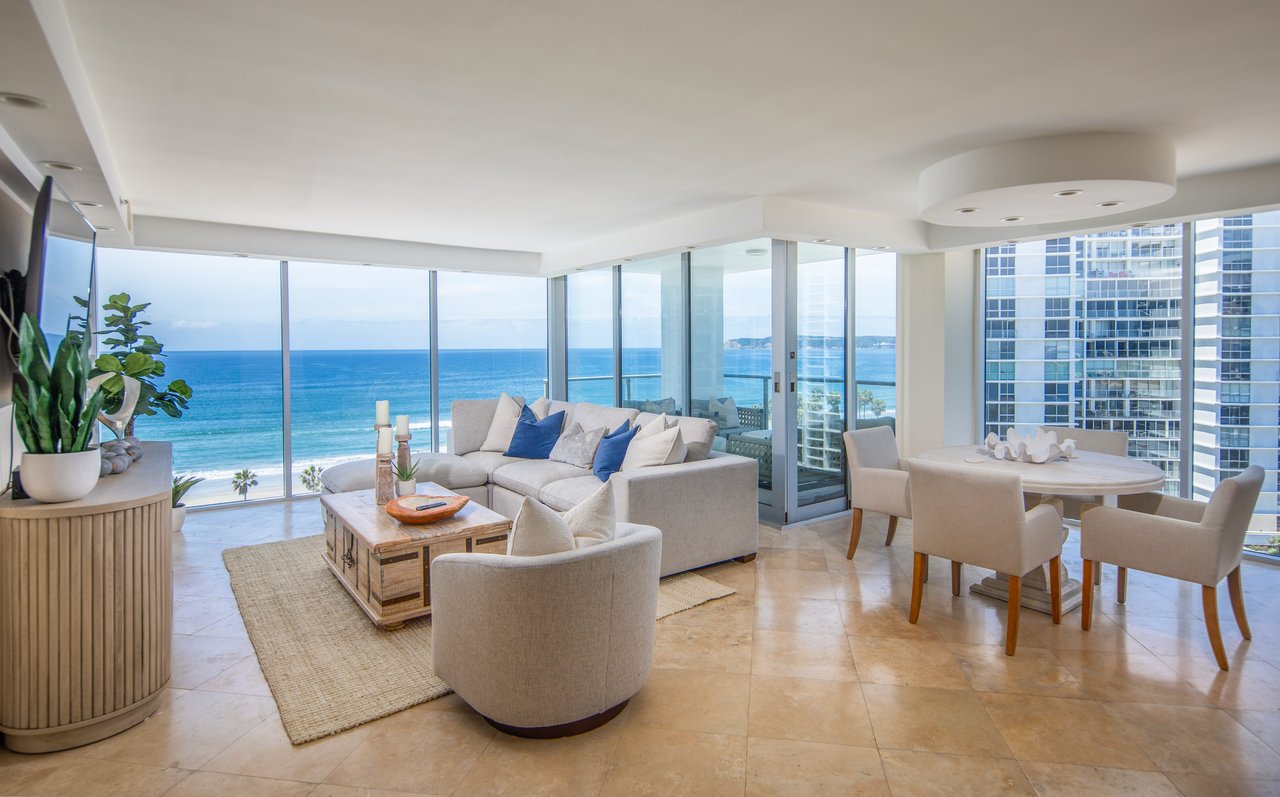
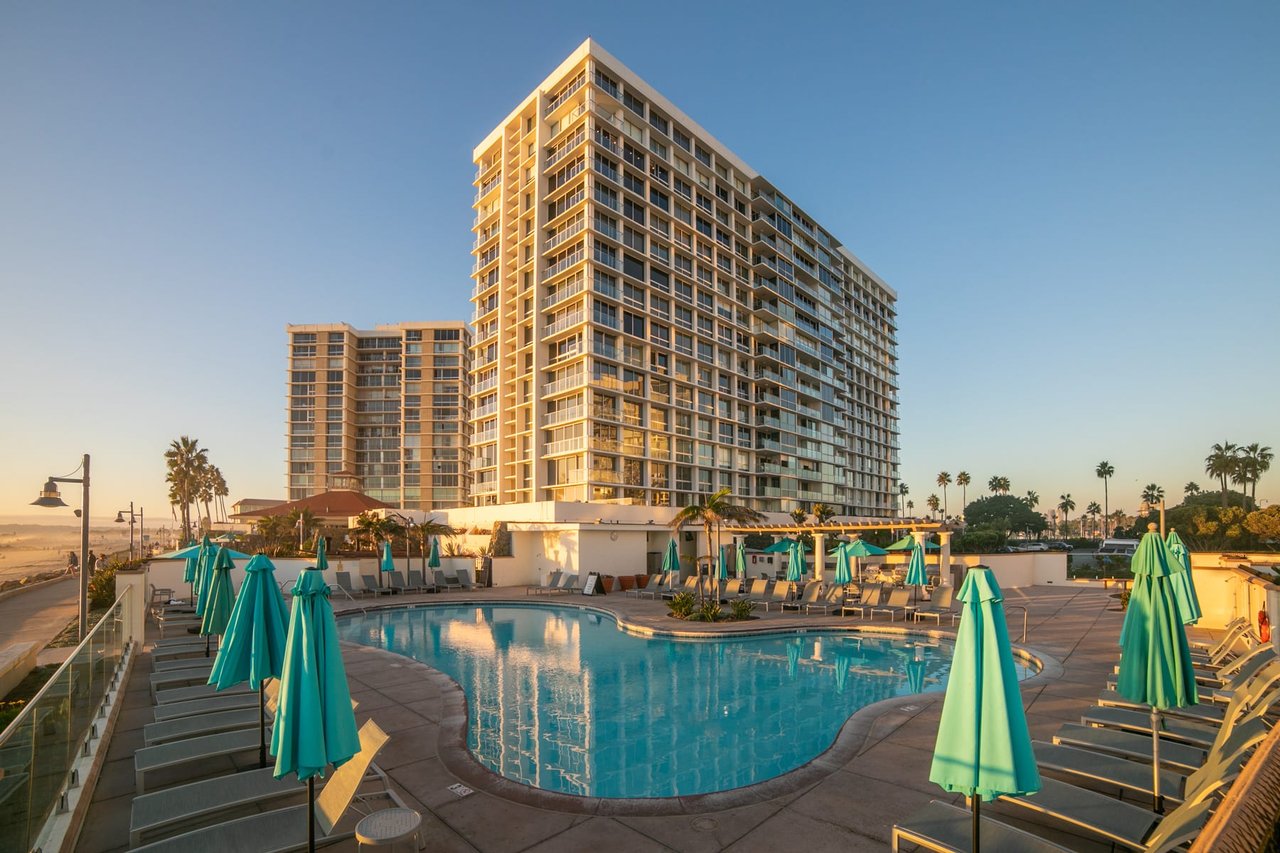
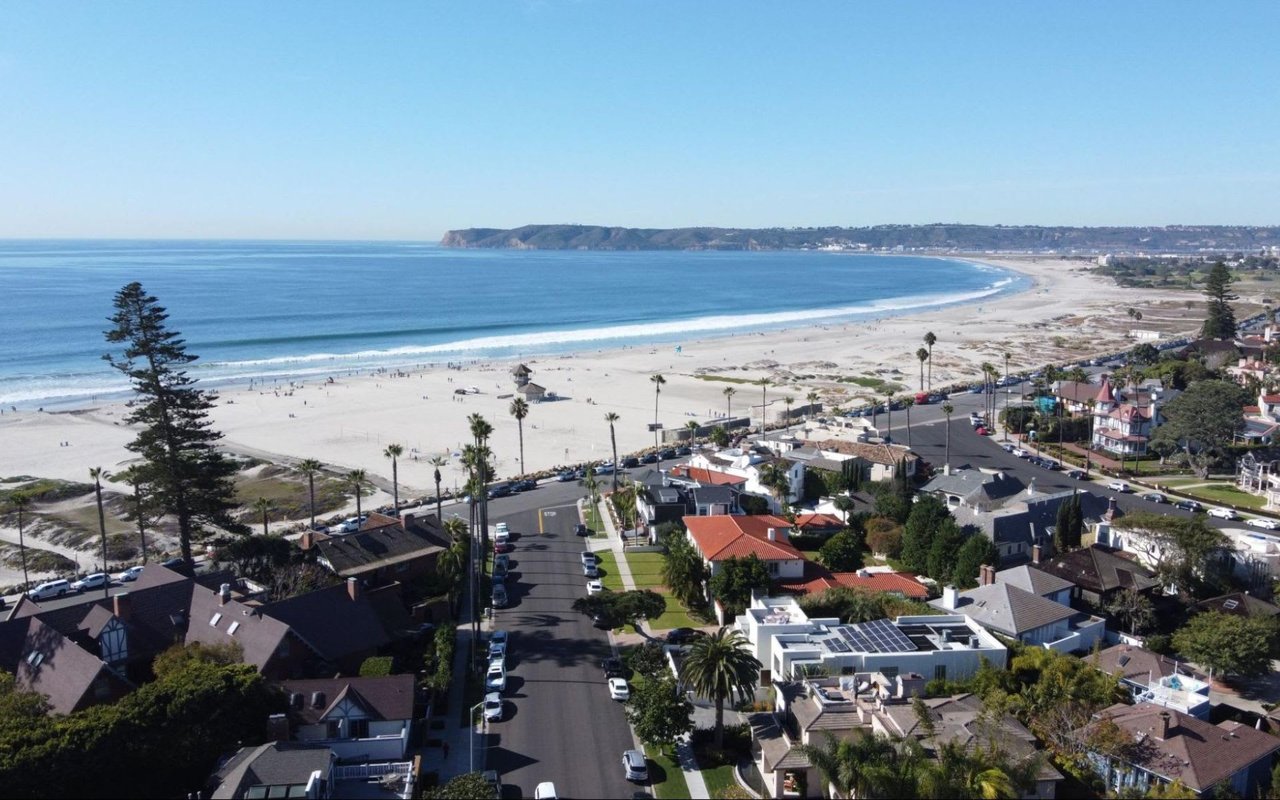
If your second-home vision starts with direct beach access and a full amenity package, Coronado Shores is usually the first community to consider. It occupies about 1,800 feet of Coronado Beach and remains the most recognizable oceanfront condo option in Coronado.
The official Coronado Shores website lists four beachfront pools, a beach club, a health club, tennis and pickleball courts, and the Roeder Pavilion. The city historic context report describes the community as ten 15-story towers with 148 units each, developed between 1971 and 1978.
What Makes the Shores Distinctive
The Shores is the most tower-oriented product in Coronado, which matters if view orientation is high on your list. The ten tower associations are Cabrillo, El Camino, La Playa, La Perla, Las Flores, La Sierra, El Encanto, El Mirador, La Princesa, and Las Palmas, and tower placement can shape your outlook, sunlight, and proximity to amenities.
For many second-home buyers, the biggest draw is the combination of beachfront access and lock-and-leave convenience. That appeal comes from the setting, the shared facilities, and the more structured access-control environment compared with a typical condo building.
Shores Rules to Review Closely
If you are considering part-time use, guest access and rental rules deserve extra attention. The Shores states that access-controlled common areas require a proximity photo ID, temporary non-photo ID, or guest pass.
Per the community rules and regulations, tenants generally must be on leases of 28 days or longer to receive a resident card. Guest passes are limited to 72 hours, owner cards deactivate when a unit is rented, and pets are prohibited in several shared recreation areas, including the pool areas, tennis courts, beach club, Roeder Pavilion, and health club.
The Landing for Bayfront Walkability
If your priority is a bayfront second home with easy access to the village, The Landing stands out. It offers a different experience from the Shores, with a more intimate scale and a location near Ferry Landing, Orange Avenue, and the bayfront.
The City of Coronado historic context statement notes that The Landing was built in 1988 on the former ferry-landing site where Orange Avenue meets San Diego Bay. Its three buildings were designed to preserve view corridors and public access to the bay.
Why Buyers Consider The Landing
For second-home use, The Landing is often the cleanest bayfront lock-and-leave option near the village. Public listing materials in the research report describe gated entry, a pool and spa, a fitness center with sauna, underground parking, and HOA coverage that often includes exterior maintenance, roof maintenance, water, trash, hot water, and pest control.
That combination can be appealing if you want lower day-to-day upkeep and more walkability to dining, shops, and ferry access. It is a strong fit for buyers who value convenience over a larger resort-style footprint.
Coronado Point for Bayfront Variety
Coronado Point is another important bayfront option near the village edge. Located near the Ferry Landing and Centennial Park, it offers a smaller-scale alternative to the Shores while still providing a strong amenity profile.
Public profiles in the research report describe Coronado Point as a bayfront mid-rise community with features such as a pool, spa, sauna, fitness center, clubhouse, gated access, storage, and parking. For second-home buyers, that can place it in a useful middle ground between the resort feel of the Shores and the straightforward bayfront ease of The Landing.
Why Due Diligence Matters Here
Coronado Point is also a reminder that not every community is fully standardized. The public data cited in the research report is not perfectly consistent, with one source listing 80 units and a 1992 creation date, while another describes 87 homes and seven buildings.
That does not make the community less appealing, but it does mean you should verify the exact building, stack, and HOA documents before making assumptions. The report also notes that public profiles vary on pet rules and indicate that subletting may not be allowed, so the governing documents matter here more than broad shorthand.
Coronado Cays for Marina Living
If your ideal second home includes a marina setting, the Coronado Cays deserves its own category. This is not one condo building or one HOA experience. It is a master-planned, marina-centered community with multiple villages, varied product types, and a more layered ownership structure.
According to the Coronado Cays Homeowners Association, the community includes 1,198 lots, ten villages, and more than 600 boat slips. The HOA also states that many units are second homes and that about 25% of bills are mailed outside 92118.
Why the Cays Requires Village-Level Research
The most important thing to know is that the Cays is not a single product. The Cays Specific Plan outlines separate waterfront villa, village residence, village townhouse, and village condominium zones, while HOA materials break the community into condo, single-family, and custom-home villages.
For condo and townhome buyers, the research report identifies Antigua, Kingston, Montego, and Mardi Gras as condo-oriented villages. Village amenities also vary. The HOA fact sheet notes, for example, that Montego has a pool, clubhouse, spa, and security gate, while Trinidad and Kingston share a pool, clubhouse, and spa.
Cays Rules to Understand Up Front
The Cays is also the most rule-specific ownership environment in this guide. The current members handbook states that transient rentals of 25 days or less are prohibited, leases must cover the entire residence, residents need decals or permits for parking, and common-area parking is limited to 72 hours before a vehicle must be moved.
If you want boating access and a marina-centered lifestyle, those rules may feel like a fair tradeoff. If you want maximum flexibility for short-stay rental use, this may be the least flexible of the four community types covered here.
Comparing the Best Fit
The easiest way to narrow your search is to start with how you plan to use the home. The right answer usually comes down to whether you care most about beach access, bayfront walkability, marina living, or simplified maintenance.
| Community | Best Known For | Lifestyle Focus | Main Watchout |
|---|---|---|---|
| Coronado Shores | Oceanfront towers | Resort-style beachfront second home | Guest, access, and lease rules |
| The Landing | Bayfront village location | Walkable lock-and-leave living | Verify current HOA inclusions |
| Coronado Point | Bayfront mid-rise setting | Smaller-scale bayfront alternative | Confirm exact building and HOA terms |
| Coronado Cays | Marina-centered villages | Boating and waterfront variety | More layered rules and village differences |
What to Compare Before You Buy
Before you choose a building or village, focus on the issues that affect everyday ownership. In Coronado, those details can shape your experience just as much as the view.
Here are the questions worth comparing early:
- Is the setting oceanfront, bayfront, or marina-oriented?
- How much maintenance does the HOA appear to handle?
- What are the guest access rules?
- What are the minimum lease terms?
- Are there parking, pet, or amenity-use restrictions that matter to you?
- Does the community operate as one HOA, or are there master and sub-association layers?
For second-home buyers, this is where good guidance can save time. Two homes with similar square footage may offer very different ownership experiences depending on the building, village, or HOA structure.
A Simple Coronado Shortlist
If you want a practical way to frame your search, the safest shorthand from the available research is this:
- Coronado Shores for oceanfront, resort-style second homes
- The Landing for a walkable bayfront lock-and-leave
- Coronado Point for a smaller bayfront and village-edge alternative
- Coronado Cays for boating, marina access, and low-density waterfront living
The best match depends on how you want to spend your time in Coronado and how hands-on or hands-off you want ownership to feel. If you want help sorting through the tradeoffs, The Clements Group can help you compare communities, review the practical differences, and find the second-home option that aligns with your goals.
FAQs
Which Coronado condo community is best for an oceanfront second home?
- Coronado Shores is the clearest oceanfront option, with direct beach frontage, multiple pools, a beach club, and a health club.
Which Coronado condo building is closest to village shops and ferry access?
- The Landing is the most straightforward bayfront, village-adjacent option in this guide, with a location near Ferry Landing and Orange Avenue.
What should buyers know about Coronado Point before buying a second home?
- Buyers should verify the exact building, stack, and HOA documents because public information about unit count, rules, and other details is not fully consistent across sources.
What makes Coronado Cays different from other Coronado condo communities?
- Coronado Cays is a marina-centered master-planned community with multiple villages, varied product types, and village-level differences in amenities and rules.
Are short-term rentals allowed in Coronado Cays second-home properties?
- The Coronado Cays handbook states that transient rentals of 25 days or less are prohibited.
What HOA issues matter most when buying a Coronado second home?
- The most important items to compare are maintenance coverage, guest access, lease minimums, parking rules, pet restrictions, and whether the community has one HOA or multiple layers of governance.