Wondering whether you can own a Coronado home without taking on full-time upkeep? If you travel often, split time between cities, or simply want a lower-maintenance lifestyle, lock-and-leave living can be a smart fit. In Coronado, that usually means looking closely at condos, townhomes, and HOA-managed communities, while also understanding the rules that come with them. Let’s dive in.
What Lock-and-Leave Means in Coronado
In practical terms, lock-and-leave living is about simplifying ownership. Instead of handling every exterior task yourself, you may own in a community where shared amenities, landscaping, or common-area maintenance are managed through an HOA or master association.
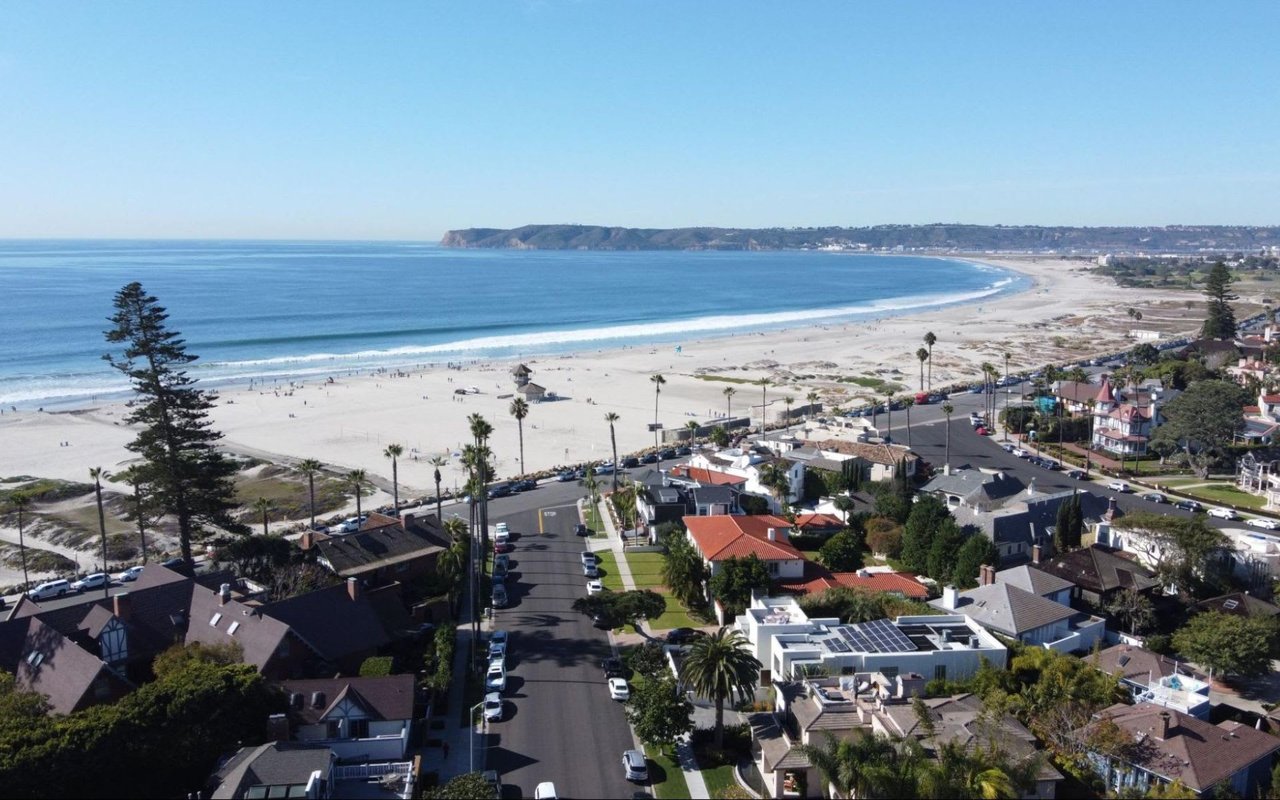
In Coronado, that conversation is shaped by the city’s land-use framework. The city distinguishes the Village, Coronado Shores, and Coronado Cays as separate residential areas, with a mix of single-family and multiple-family designations shown in the city’s planning materials. That is why many of Coronado’s most natural lock-and-leave options are condos and townhomes rather than detached homes, according to the City of Coronado land-use plan.
Best Areas for Lock-and-Leave Homes
Coronado Shores
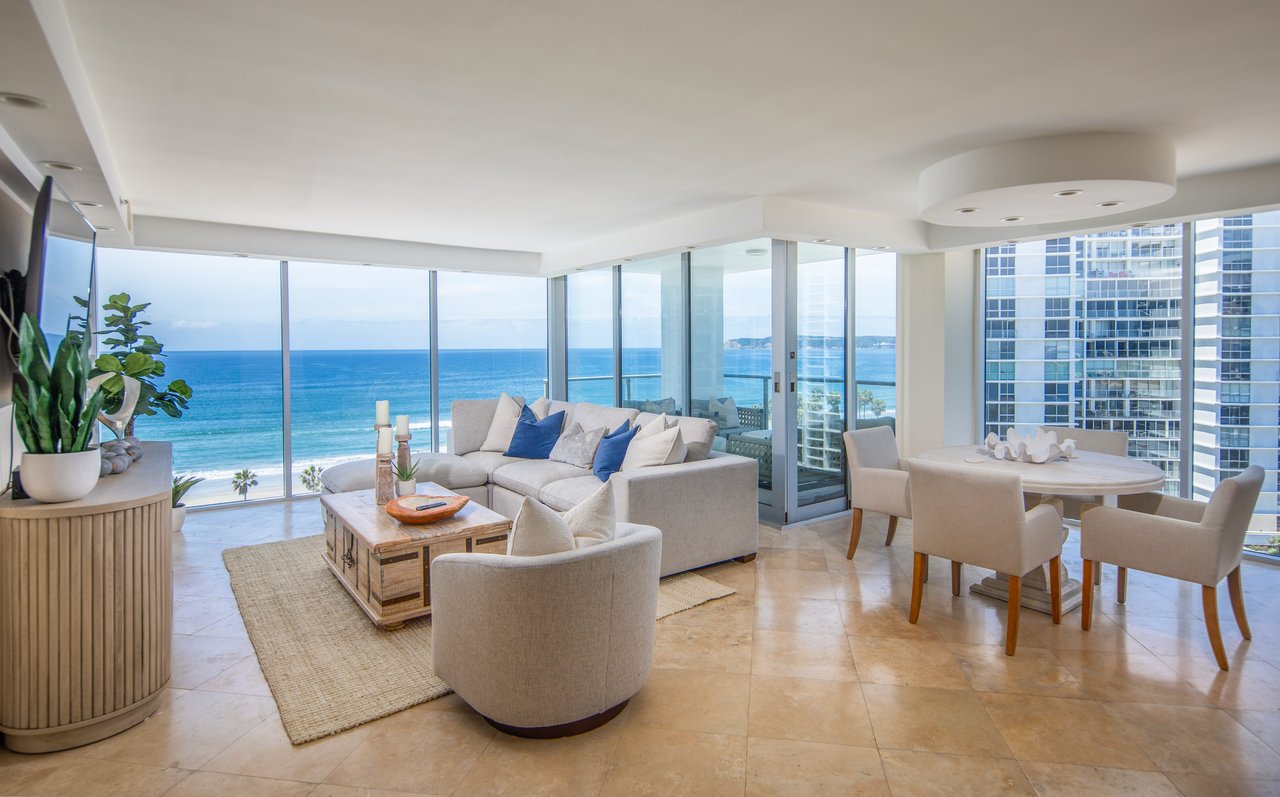
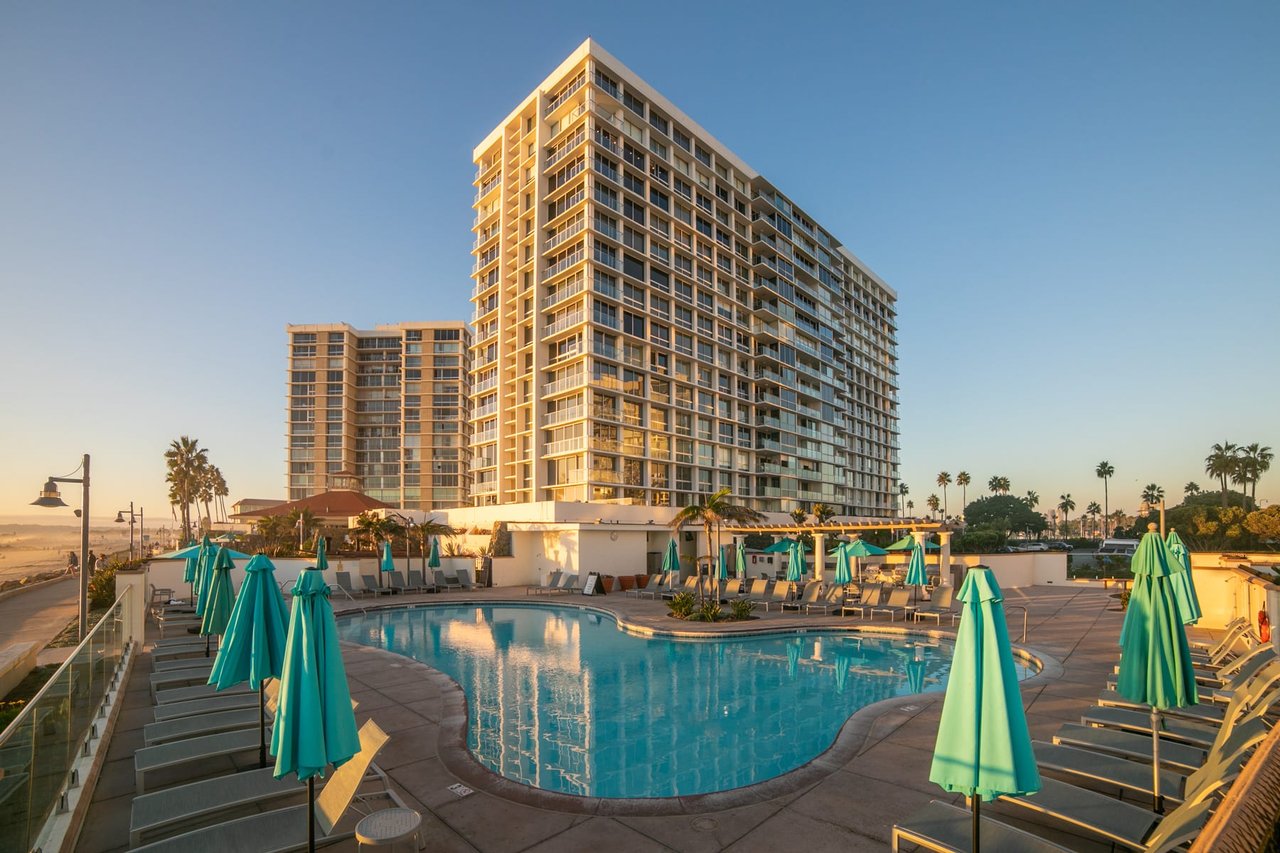
For many buyers, Coronado Shores is the clearest lock-and-leave option in 92118. The community includes 10 building complexes and about 1,500 units, with each tower operating its own condominium association and a master association overseeing common areas, amenities, and recreational facilities, as outlined on the Coronado Shores official site.
That structure matters if you want a second home or a simpler day-to-day ownership experience. Shared management can reduce how much you need to coordinate on your own, especially compared with a detached property where exterior upkeep often falls fully on the owner.
The Shores also offers a managed amenity environment. Its rules identify common areas such as pools, tennis courts, a health club, the Beach Club, Roeder Pavilion, lawns, lagoons, walkways, roadways, and outdoor parking, with access controlled through photo ID cards, temporary cards, and guest passes under the community rules and regulations.
Coronado Cays
Coronado Cays is another strong fit, especially if you value a managed community structure or marina access. The community describes itself as having 1,200 condos, town homes, and custom homes, along with more than 600 boat slips, on the Coronado Cays Homeowners Association website.
From a lock-and-leave perspective, the Cays stands out because the HOA is organized around more than just administration. Its association resources reference departments for accounting, landscape, maintenance and docks, member services, operations, and safety functions, which can be appealing if you want more shared oversight built into daily community operations.
The Cays also has an Architectural and Environmental Control Committee, along with code-enforcement functions. That does not mean every ownership responsibility disappears, but it does point to a more structured environment than you may find in a typical owner-managed detached-home setting.
Village Condos and Townhomes
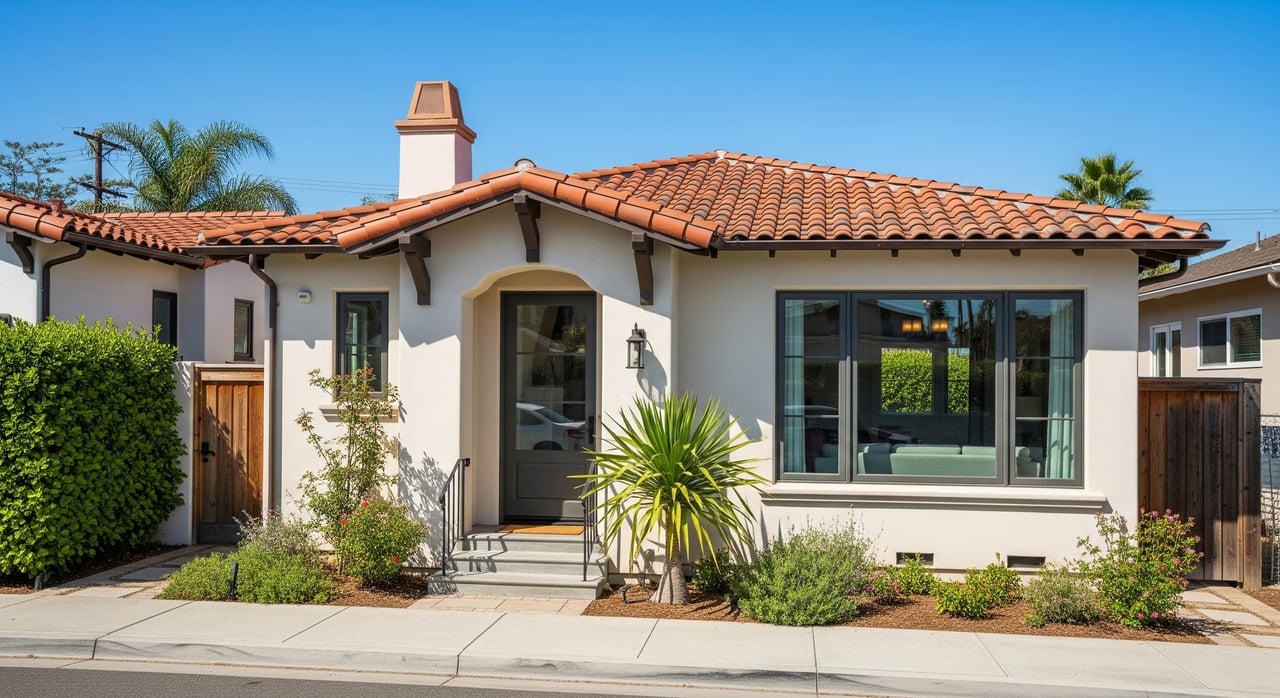
In the Village, lock-and-leave opportunities are usually more building-specific. Since the Village includes a mix of residential types, condo and townhouse properties tend to be the most natural fit for buyers seeking lower-maintenance ownership.
The key here is not to assume every Village property works the same way. Coronado’s planning structure and specific plan framework show that different parts of town can operate under different development and design rules, including the Orange Avenue Corridor Specific Plan and Coronado Cays Specific Plan. In a Village condo or townhome, the real answer often comes down to that specific HOA, its budget, and what its governing documents actually cover.
What HOA Living May Cover
When buyers ask what HOA dues “buy” in Coronado, the practical answer is usually shared access, common-area upkeep, and association management. In communities like the Shores and the Cays, that can also include recreational facilities, landscape oversight, and managed community operations.
At the Shores, the master association manages common areas and amenities, while individual towers have their own condominium associations. In the Cays, the HOA structure includes departments tied to landscaping, maintenance, docks, member services, and operations. These systems can make ownership feel more streamlined, particularly if you are not in residence year-round.
That said, HOA coverage is not uniform across all Coronado communities, or even across every building within a larger community. Before you buy, it is important to review CC&Rs, budgets, insurance details, and any building-level rules so you understand whether roofs, exterior paint, docks, gates, or landscaping are covered for that property.
Security and Access Considerations
One reason lock-and-leave properties appeal to second-home buyers is the presence of managed access or shared oversight. In Coronado, that feature exists in some communities, but you should still understand the limits.
At Coronado Shores, common-area access is managed through cards and passes, which helps regulate amenity use. The association also makes clear in its rules that it cannot guarantee safety, so it is best to think of this as managed access, not a promise of security.
In Coronado Cays, the Safety Kiosk and Safety Patrol information states that Allied Universal provides rule enforcement, community safety patrol, and lost and found services. For buyers who travel often, that level of visible HOA operation can be a meaningful part of the ownership experience.
Rental Rules You Need to Know
If you are hoping to rent out a Coronado property during brief periods away, this is one of the most important areas to understand. Coronado is generally not set up for nightly or weekly rental income in residential properties.
Under the city code current through Ordinance 2025-06, a transient occupant is defined as someone occupying a property for 25 consecutive calendar days or less, and the city states that residential rentals of 25 days or less are prohibited. You can review that directly in Coronado Municipal Code section 86.78.
Community rules may be even more restrictive in practice. In Coronado Cays, the HOA member handbook states that leases or rentals of 26 days or less are prohibited, that short-term rentals are treated as prohibited commercial uses, and that leases must cover the entire residence, including any garage and dock or boat slip.
At the Shores, tenant access cards are issued for leases of 28 days or longer, while owner cards are deactivated when a unit is rented, according to the community’s rules. So even if a longer-term rental is allowed, the HOA can still shape how amenity access works during that lease period.
For many second-home buyers, the takeaway is straightforward: Coronado tends to align more naturally with personal seasonal use than with frequent short-stay rental income.
Remodeling Still May Require Approval
A lock-and-leave home may reduce maintenance, but it does not automatically remove permitting or approval requirements. If you plan to update a condo, townhome, or other property, you may still need to navigate local rules.
The city’s Planning and Zoning division handles zoning questions, setbacks, allowable height, floor area ratio, subdivision issues, and permits including coastal permits and special use permits. That means exterior changes, certain remodels, or design updates may require more than just contractor coordination.
In HOA-governed communities, you may also need association approval before work begins. This is especially relevant in managed communities like the Cays, where architectural review is built into the community structure.
How to Choose the Right Fit
If you are comparing lock-and-leave options in Coronado, focus on the details that affect your day-to-day ownership experience.
Ask questions like:
- What exterior or common-area maintenance is covered?
- Are amenities managed through a master association, a building association, or both?
- How is access handled for owners, guests, and tenants?
- What are the current rental minimums?
- Are there architectural review or permit requirements for future updates?
- What insurance and reserve structures are in place for the specific HOA?
Those answers can vary from one property to the next, even within the same broader community. A well-located home is important, but for lock-and-leave buyers, the governing documents and operating structure often matter just as much.
Why Local Guidance Matters
In a market like Coronado, the best lock-and-leave choice is rarely just about square footage or views. It is about finding a property that matches how you actually plan to live, travel, and use the home.
That is where local guidance becomes valuable. Understanding the differences between the Shores, the Cays, and select Village buildings can help you avoid assumptions and focus on the ownership model that best fits your goals.
If you are considering a lock-and-leave home in Coronado, The Clements Group can help you evaluate community rules, property types, and the practical tradeoffs that come with each option. Schedule a private consultation to explore the right fit for your lifestyle.
FAQs
What are the best lock-and-leave communities in Coronado?
- Coronado Shores and Coronado Cays are the clearest examples, while select Village condos and townhomes can also work depending on the building and HOA structure.
What do HOA dues usually cover in Coronado lock-and-leave properties?
- HOA dues often support common-area upkeep, shared amenities, and community operations, but the exact coverage varies by building, tower, or association.
Can you use a Coronado lock-and-leave home as a short-term rental?
- Generally no, because city rules prohibit residential rentals of 25 days or less, and some HOAs have additional restrictions.
Do Coronado condos and townhomes still require permits for remodeling?
- Possibly, since the city planning division handles permits and zoning issues, and HOA approval may also be required for certain changes.
Are all Village properties in Coronado good lock-and-leave options?
- No, because the Village includes a mix of property types, and the best fit is usually a condo or townhome with HOA coverage that aligns with your needs.