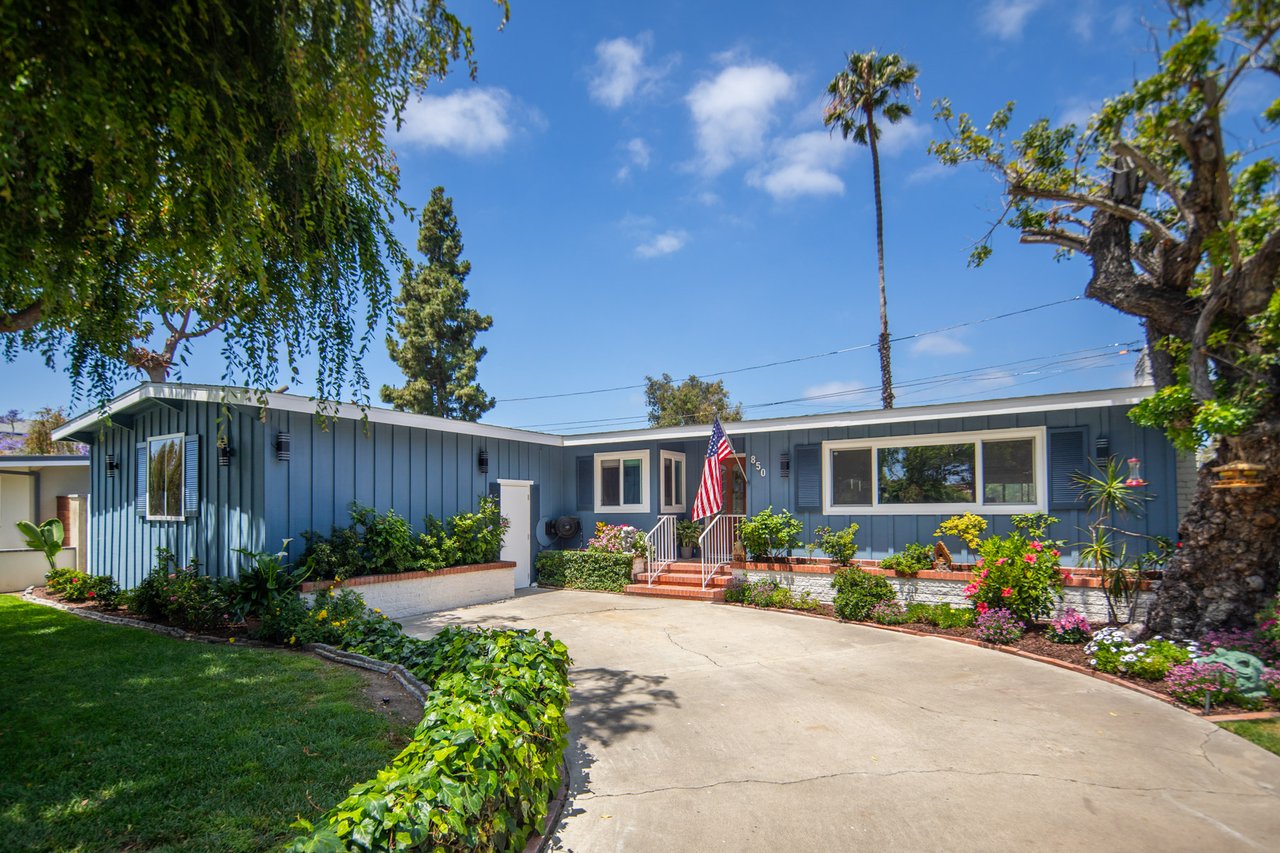
Choosing between an oceanfront condo and a beachfront home in Coronado is not just about the view. It is about how you want to live, what kind of upkeep you want to manage, and how much flexibility you need over time. If you are weighing both options in 92118, this guide will help you compare lifestyle, costs, rules, and resale factors so you can make a more confident decision. Let’s dive in.
Coronado ownership starts with two different models
In Coronado, the biggest difference between an oceanfront condo and a beachfront home is the ownership structure itself. A condominium typically gives you ownership of your unit plus an interest in shared common areas, while the homeowners association manages those shared spaces and standards.
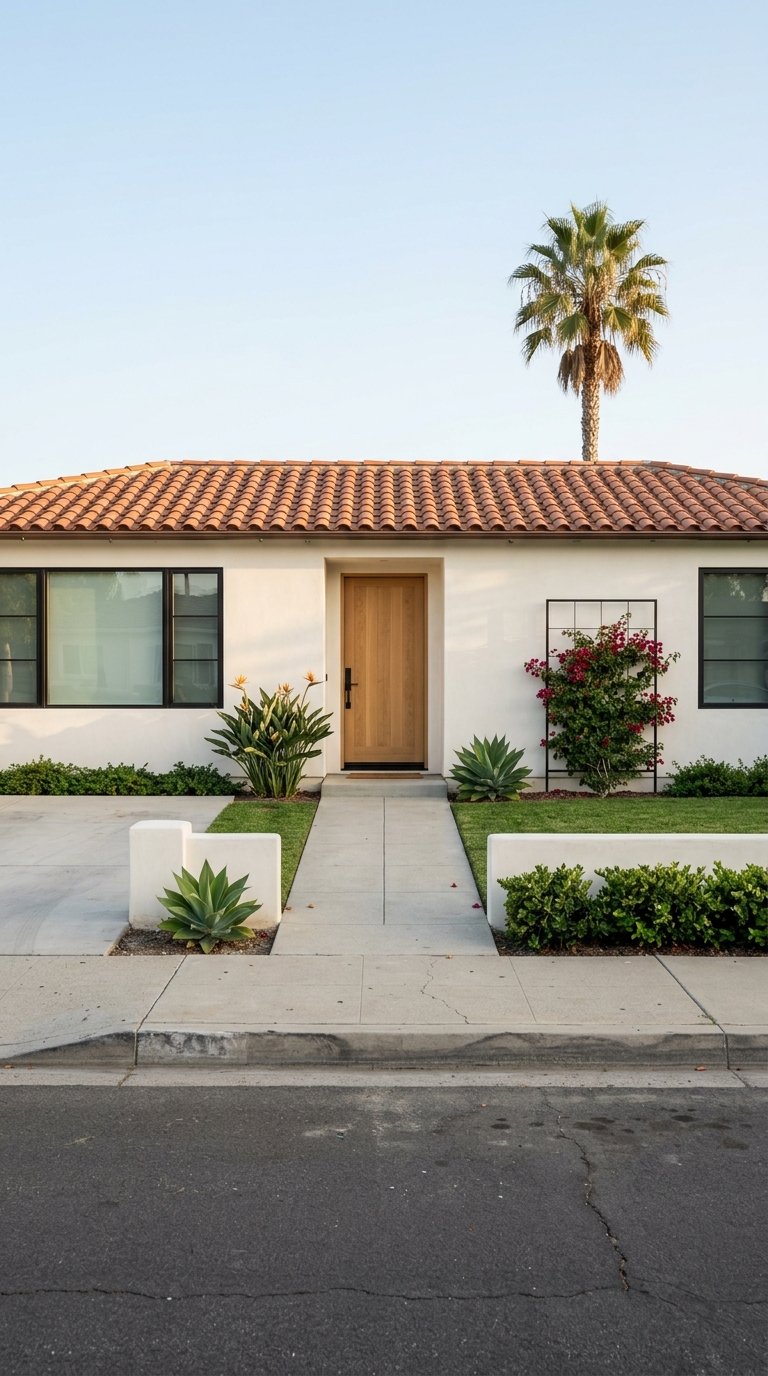
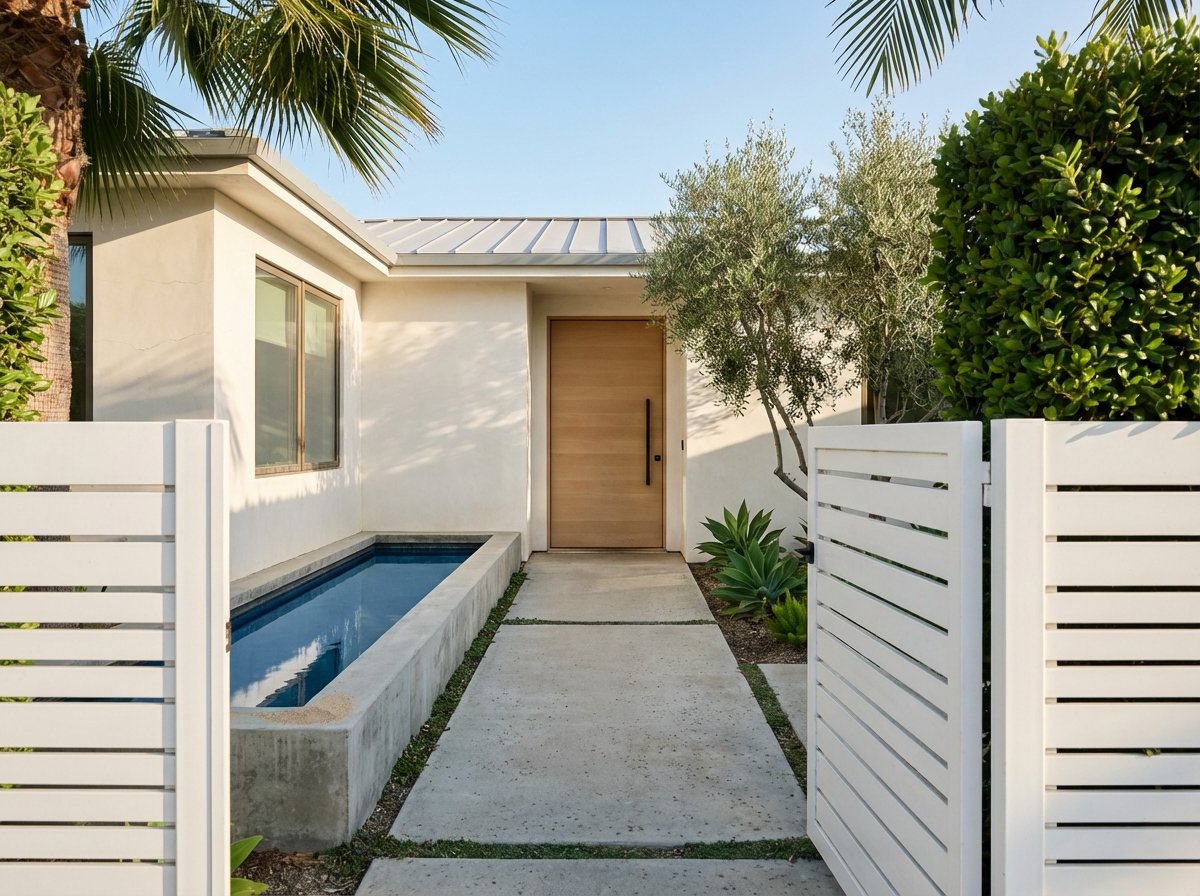
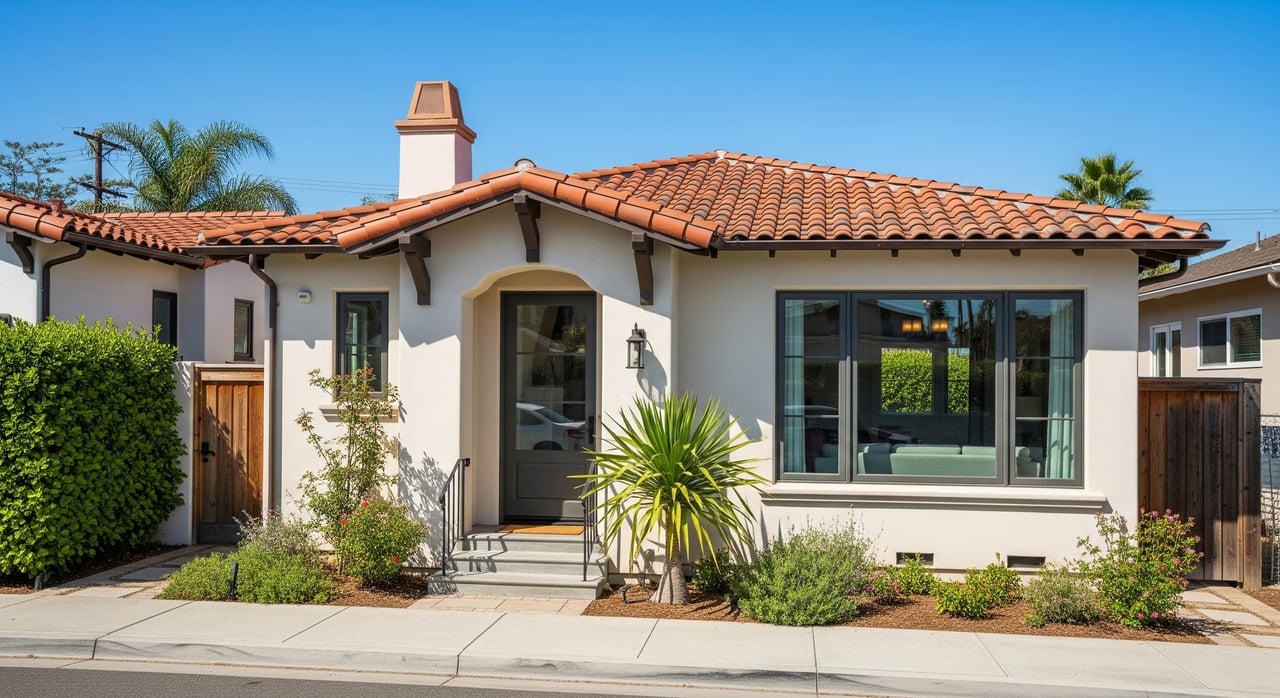
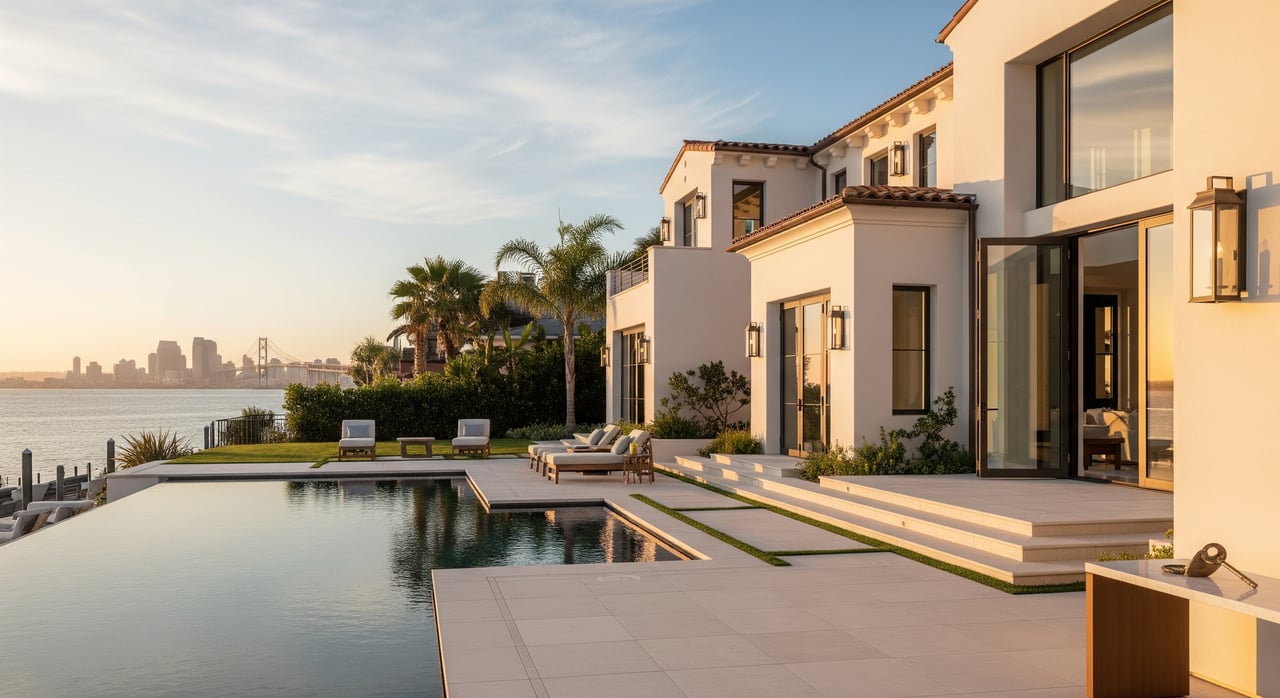
A detached beachfront home works differently. You generally have more direct control over the property, more privacy in day-to-day living, and fewer shared amenities. That can feel more custom and independent, but it also places more responsibility on you as the owner.
From a pricing standpoint, the gap is meaningful. Redfin’s March 31, 2026 city guide shows a median sale price of about $3.44 million for single-family homes in Coronado versus about $1.701 million for condo and co-op properties. That broad split helps frame the decision early.
Lifestyle differences in Coronado
Oceanfront condos offer a resort feel
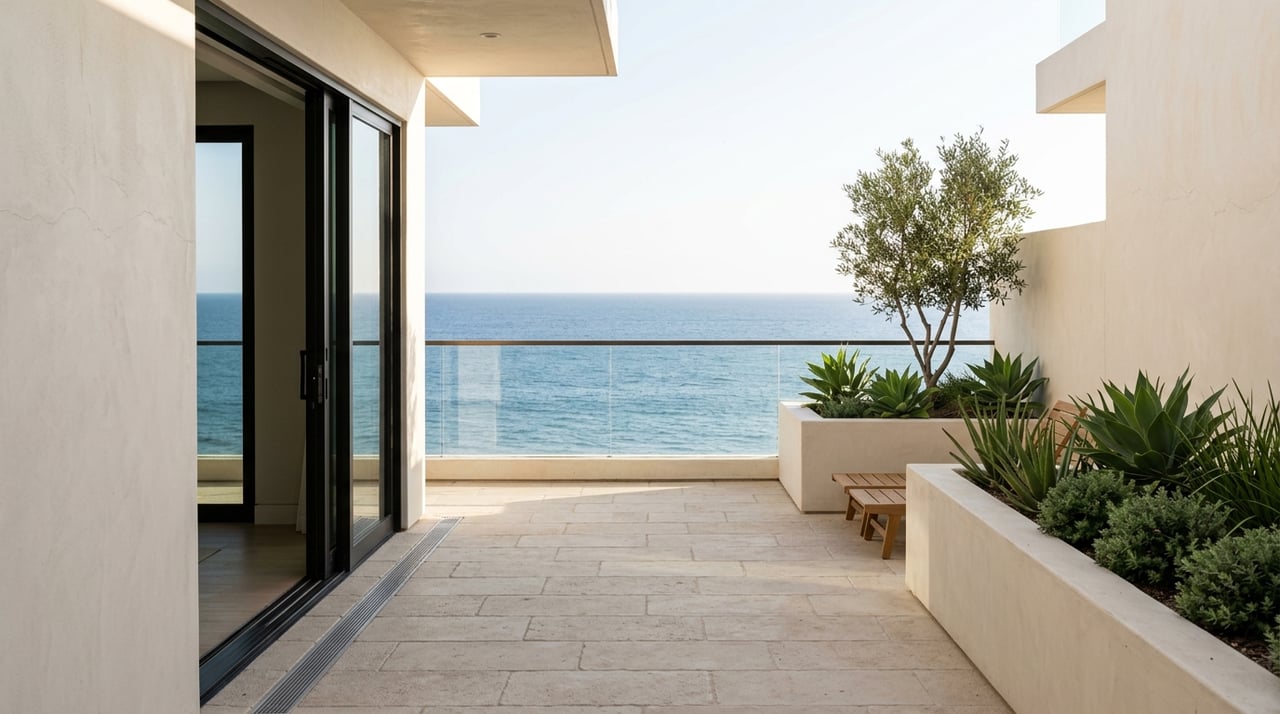
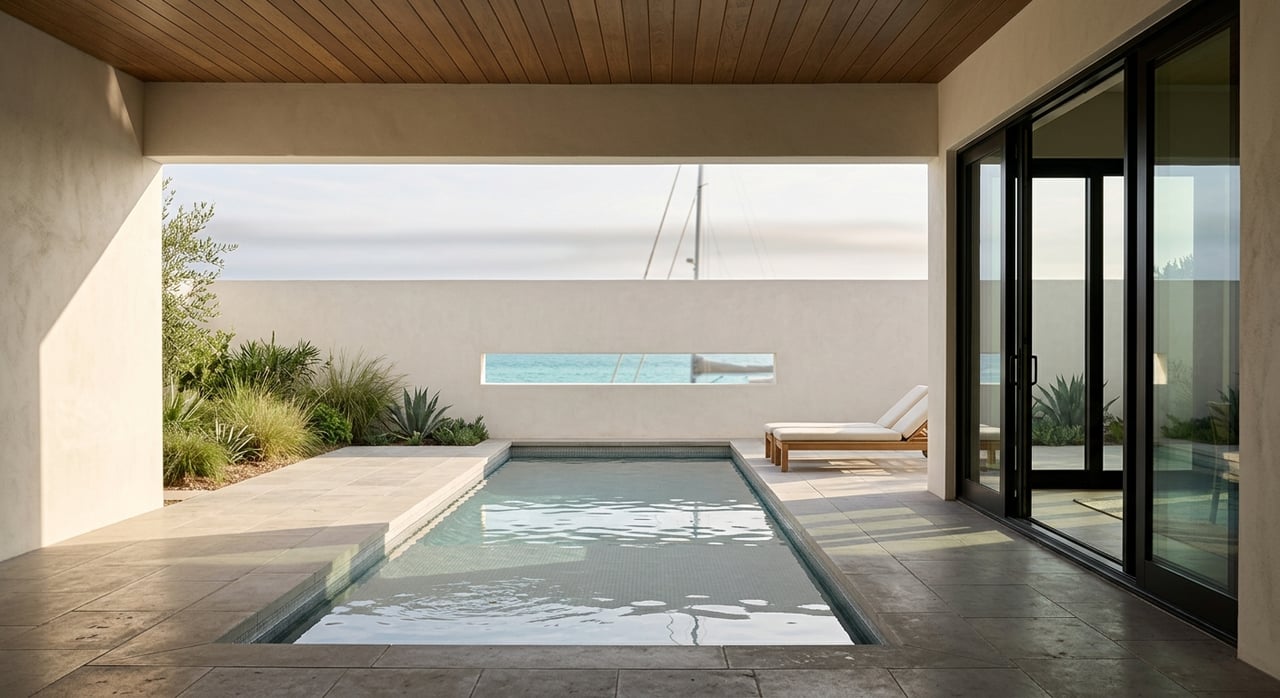
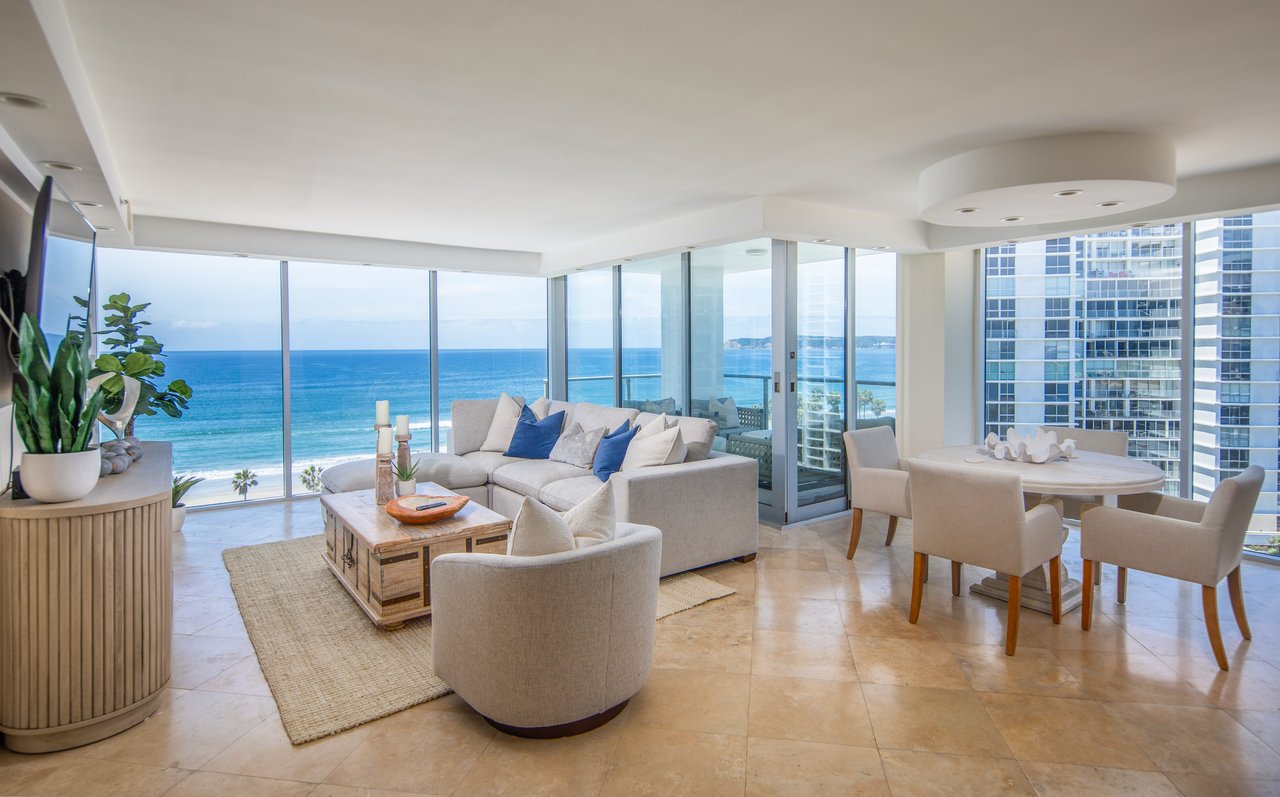
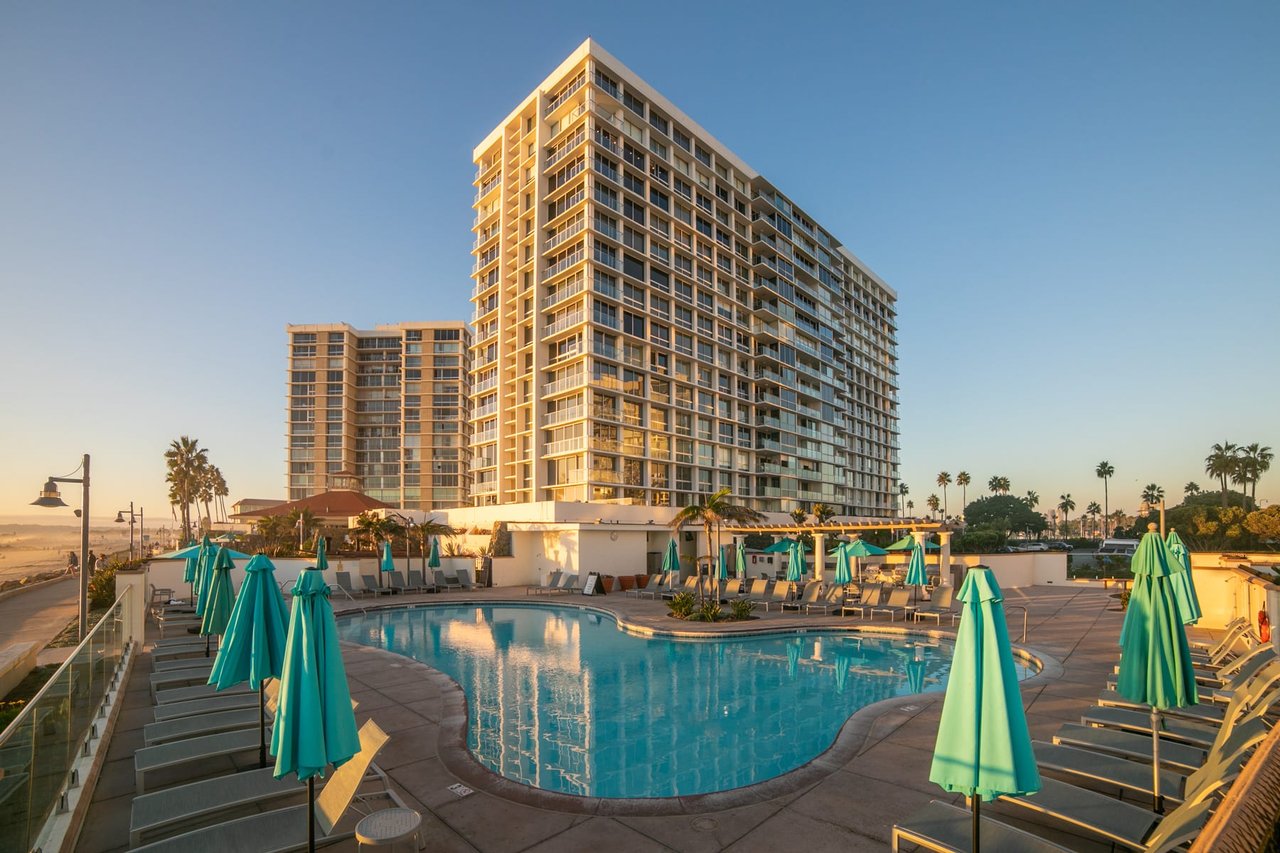
If you want a lock-and-leave coastal property with built-in amenities, an oceanfront condo may feel like the better fit. At Coronado Shores, for example, residents have access to four beachfront pools, a beach club, a health club, tennis and pickleball, a pavilion for private events, and about 1,800 feet of beach access.
That lifestyle comes with a more managed environment. Common areas are access-controlled, and residents are responsible for compliance by tenants and guests. For many buyers, that structure is part of the appeal because it creates convenience and consistency.
Beachfront homes offer more privacy and control
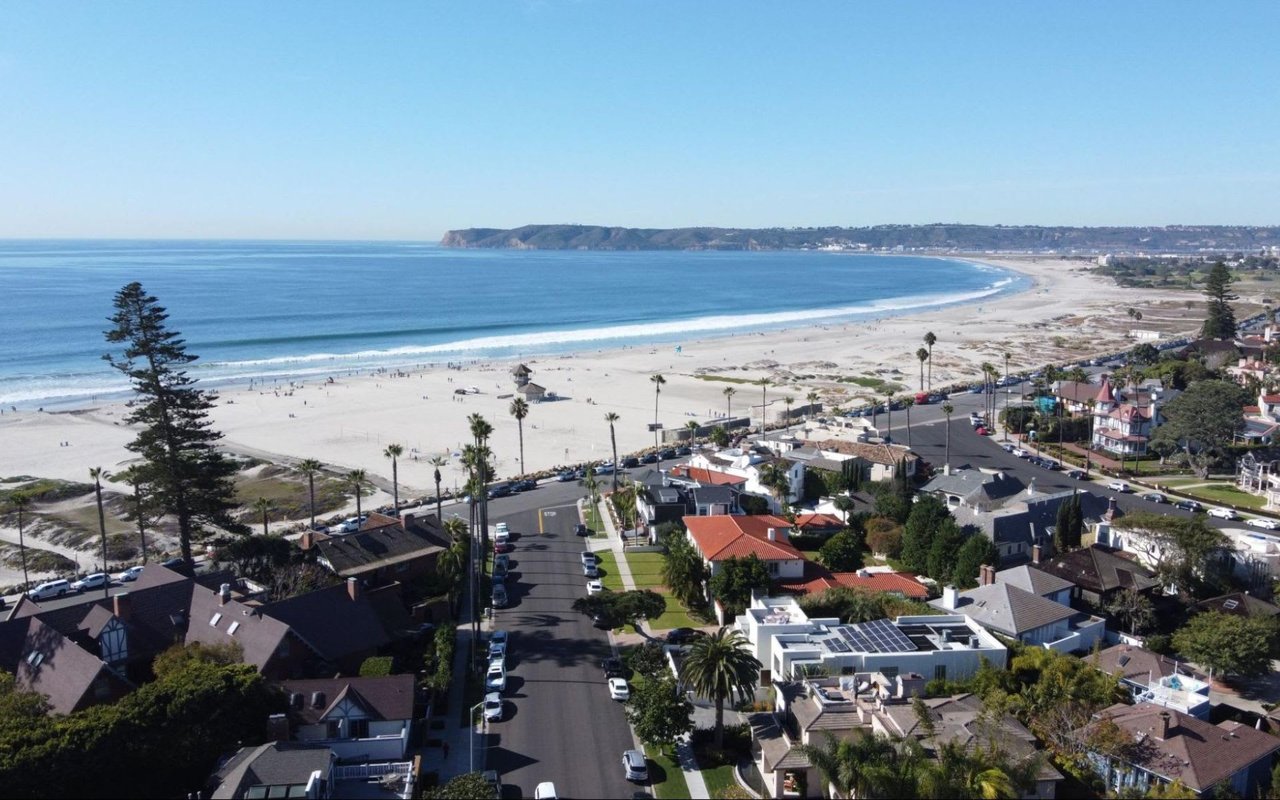
A detached beachfront or near-beach home often appeals to buyers who want more separation from neighbors and more freedom in daily use. You are not sharing hallways, elevators, amenity decks, or community facilities in the same way you would in a condo building.
That extra privacy can be a major advantage if you value quiet, personal outdoor space, or a more tailored ownership experience. In Coronado, that often matters to buyers looking for a legacy property or a highly personal second home.
Maintenance and ongoing ownership costs
Condo maintenance shifts work to the HOA
One reason many buyers choose a condo is reduced hands-on maintenance. Under California Civil Code section 4775, unless the governing documents say otherwise, the association is generally responsible for repairing and maintaining common areas, while the owner is responsible for the separate interest.
In practical terms, that can mean less direct exterior maintenance for you. The tradeoff is cost. HOA budgets are funded by regular assessments, and special assessments may be used for extraordinary repairs or replacements.
Homes give you more control and more responsibility
With a detached beachfront home, maintenance is more direct and more personal. You are not paying monthly HOA dues in the way a condo owner usually does, but you are responsible for the property’s upkeep, repairs, and improvement planning.
That can include exterior work, systems, weather exposure, and the added realities of owning near the coast. For some buyers, that level of control is worth it. For others, it feels like too much ongoing management for a second home or part-time residence.
Remodeling and permitting in Coronado
Condo changes may require HOA approval
If you buy a condo, you should expect the building’s governing documents to shape what you can and cannot change. Even when the interior is your separate interest, planned work may still require association review or approval depending on the project.
That matters if you want to reconfigure space, change finishes, or make other physical updates. Before you buy, it is smart to review the CC&Rs, rules, and approval procedures closely.
Beachfront homes face local review
Detached homes can offer more freedom, but they are not permit-free. Coronado’s Community Development Department handles coastal permits, building permits, variances, and related land-use approvals, and certain improvements in the right-of-way also require permits.
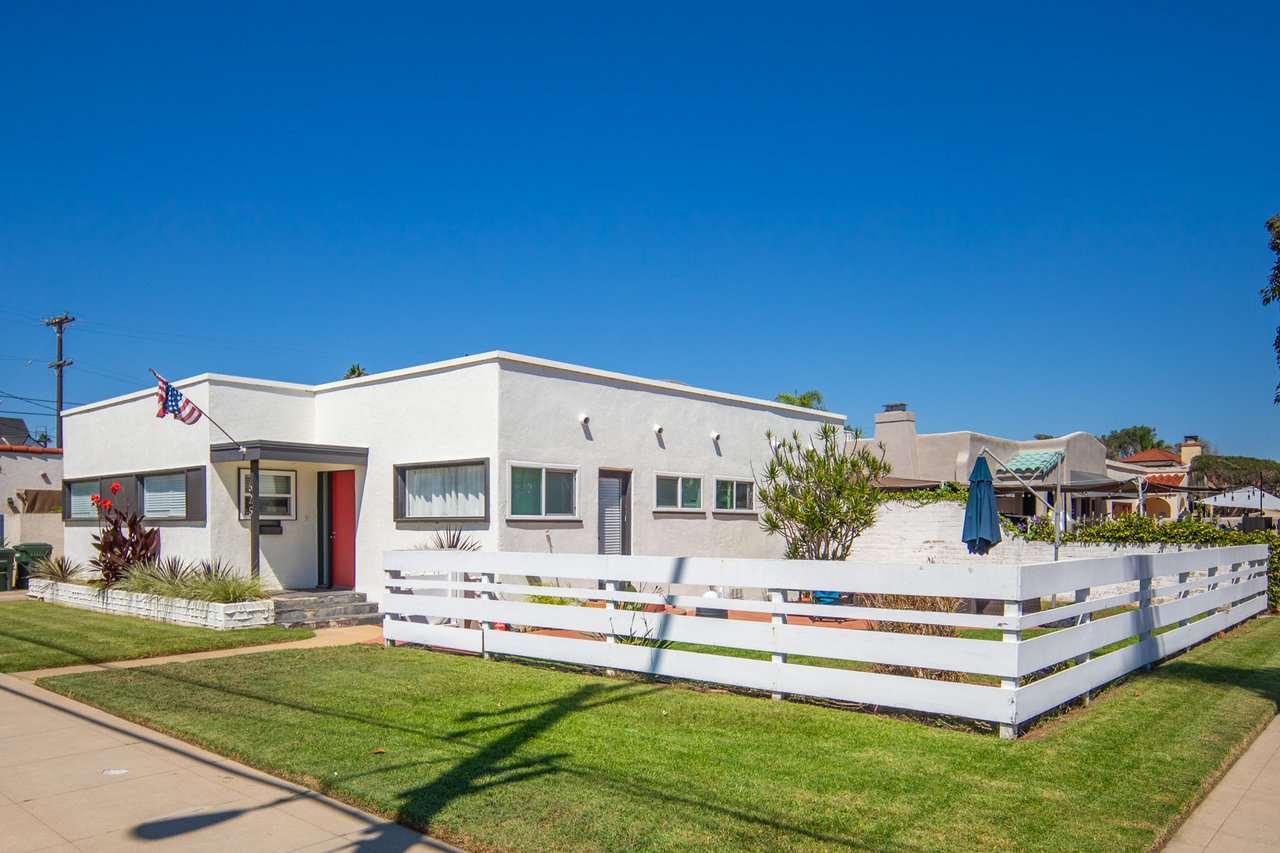
If the home has historic status, exterior modifications may also require a Historic Resource Alteration Permit. Coronado’s Local Coastal Program adds another layer for beachfront ownership because new development must account for coastal stability, structural integrity, setbacks where needed for erosion risk, and public access considerations.
For that reason, a detached oceanfront house can involve more site-specific regulatory review than a condo in an existing tower. If your long-term plan includes meaningful renovation, this distinction is important.
Rental rules matter for both options
Short-term vacation rentals are not the play
Many second-home buyers ask whether they can offset costs with vacation rentals. In Coronado residential zones, the city prohibits short-term vacation rentals, and rentals must be at least 26 consecutive days to comply with municipal code.
That rule applies to both condos and detached homes in residential zones. As a result, coastal property in Coronado should generally be evaluated as a long-term or mid-term rental opportunity, not a nightly or weekly vacation rental asset.
Condo buildings may add more restrictions
Even when the city allows a rental of 26 days or longer, a condo association may have its own rules. Governing documents can shape minimum lease terms, guest policies, occupancy procedures, and approval requirements.
That means condo buyers need to underwrite rental potential twice. First, based on city rules, and second, based on the building’s own restrictions.
Market pricing and resale patterns
Coronado remains a high-value, active market. Redfin classifies it as somewhat competitive, with homes selling in roughly 32 to 39 days, an average sale-to-list ratio near 96.6%, and about 10.4% of homes selling above list price.
The citywide numbers also show how differently these property types can sit in the market. Current listing inventory shows 66 condos for sale at a median listing price of $2.61 million and 17 single-story homes at a median listing price of $3.16 million.
Recent sales show that both product types can trade strongly in similar price bands depending on location and features. In May 2026, 1720 Avenida Del Mundo #805 sold for $3.4 million after 29 days on market, while 920 Cabrillo Ave sold for $3.83 million after 42 days.
What tends to drive value
Condo value drivers
In Coronado’s oceanfront condo market, resale value tends to be shaped by factors such as view, floor level, building amenities, HOA dues, and the financial health of the association’s reserves. Buyers often compare lifestyle and convenience as much as square footage.
That means one condo may outperform another based on orientation, access to amenities, or the strength of the building’s overall ownership structure. The building itself matters almost as much as the unit.
Home value drivers
For detached beachfront homes, value tends to depend more heavily on lot position, privacy, condition, and whether the parcel may face coastal or historic review. The ownership experience is more individualized, so the property’s physical setting often carries more weight.
That usually makes each home feel more unique in the market. It can also make pricing and resale strategy more nuanced, especially for high-value or legacy properties.
Which option fits your goals?
If you want simpler ownership, shared amenities, and a true lock-and-leave setup, an oceanfront condo may be the better match. This path often works well for second-home buyers, part-time residents, and buyers who value convenience and predictable management.
If you want privacy, direct control, and a more bespoke coastal property, a beachfront home may align better with your goals. This option often appeals to buyers who see the purchase as a long-term hold, a family property, or a highly personal living environment.
A simple side-by-side view can help:
| Consideration | Oceanfront Condo | Beachfront Home |
|---|---|---|
| Ownership style | Unit plus shared common area interest | Detached property ownership |
| Lifestyle | Amenity-rich and managed | Private and independent |
| Maintenance | More handled through HOA | Mostly handled by owner |
| Monthly costs | HOA dues likely | No typical condo HOA structure |
| Special assessments | Possible | Not in the same HOA format |
| Remodeling | Often subject to HOA review | Subject to city and possible coastal or historic permits |
| Rental rules | City rules plus HOA rules | City rules apply |
| Best fit | Lock-and-leave buyers | Privacy and control seekers |
The Coronado decision is personal and strategic
In 92118, the right choice often comes down to how you want to use the property, not just what you can afford. A condo may deliver the ease, amenities, and lower-maintenance structure you want, while a beachfront home may offer the privacy, control, and long-term flexibility that matter more to you.
When you look closely at dues, rules, permitting, rental limits, and resale patterns, the better option usually becomes clearer. In a market like Coronado, those details can shape your ownership experience just as much as the ocean view.
If you are comparing oceanfront condos and beachfront homes in Coronado, The Clements Group can help you evaluate the tradeoffs with local perspective, concierge-level guidance, and a strategy tailored to how you plan to live, hold, or sell the property.
FAQs
Can you use a Coronado oceanfront condo as a short-term vacation rental?
- No. In Coronado residential zones, rentals must be at least 26 consecutive days, so short-term vacation rentals are prohibited.
Do Coronado beachfront homes have fewer rules than condos?
- They usually have fewer shared-community rules, but they may still be subject to city permits, coastal review, right-of-way permits, and in some cases historic review for exterior changes.
Do Coronado oceanfront condos always have HOA dues?
- Condo ownership typically includes regular HOA assessments that fund operations and reserves, and there may also be special assessments for major repairs or replacements.
Is an oceanfront condo or beachfront home more expensive in Coronado?
- Broadly, single-family homes in Coronado have higher median sale prices than condos, though individual condo units and homes can overlap in the $3 million to $4 million range depending on location and features.
What should you review before buying a Coronado condo?
- You should review the HOA governing documents, including rules, rental restrictions, approval procedures, dues, and reserve health, along with the specific unit’s location, view, and building amenities.