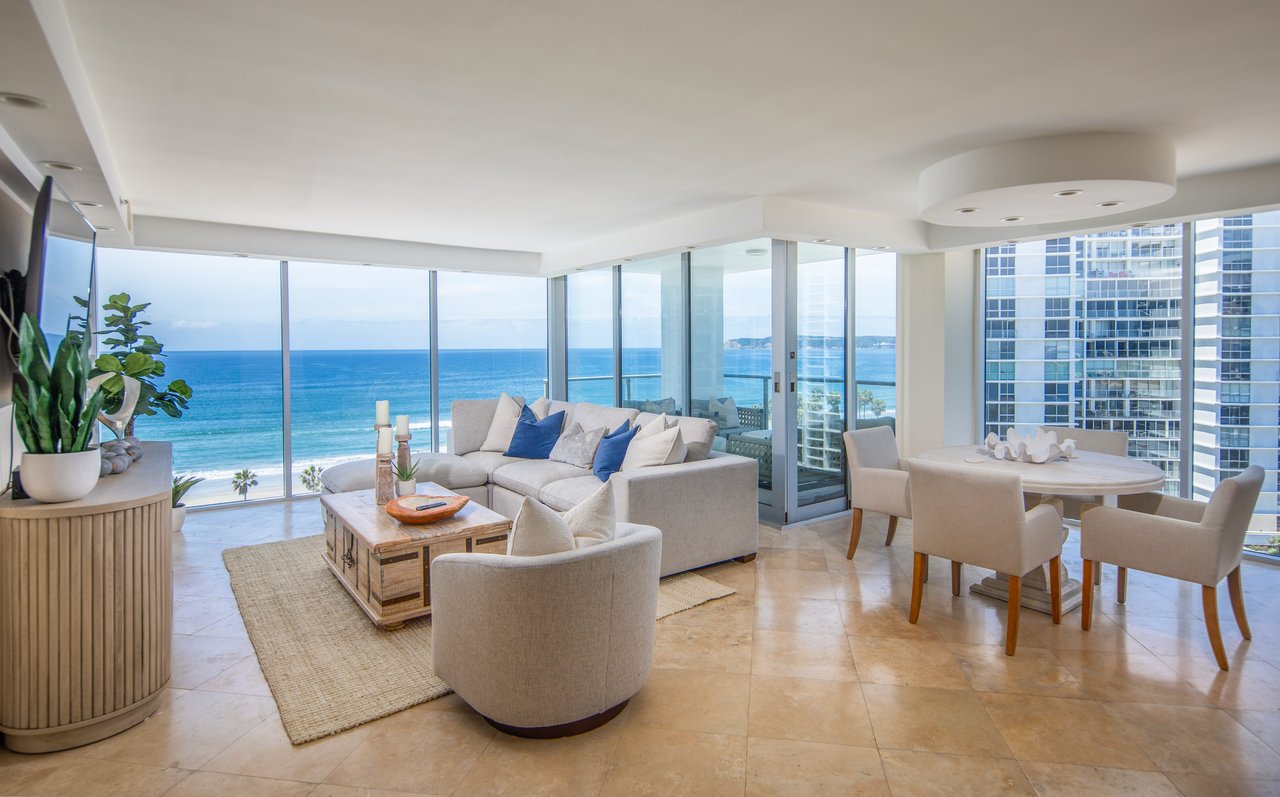
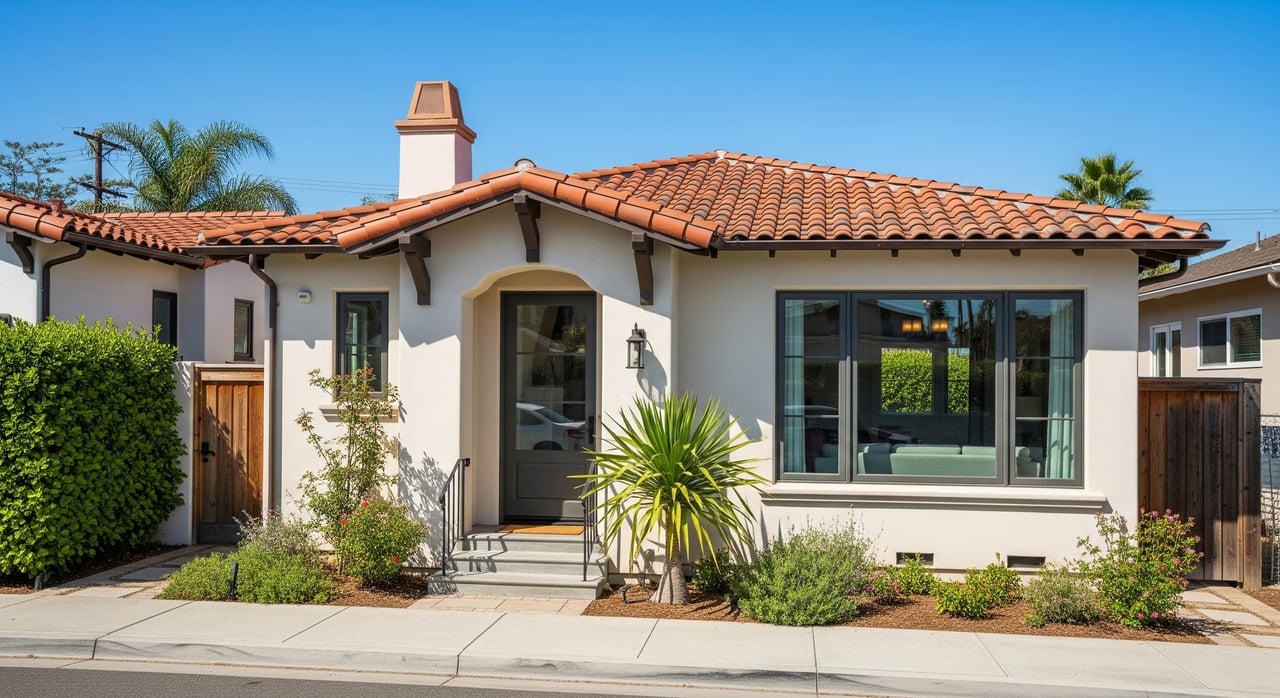
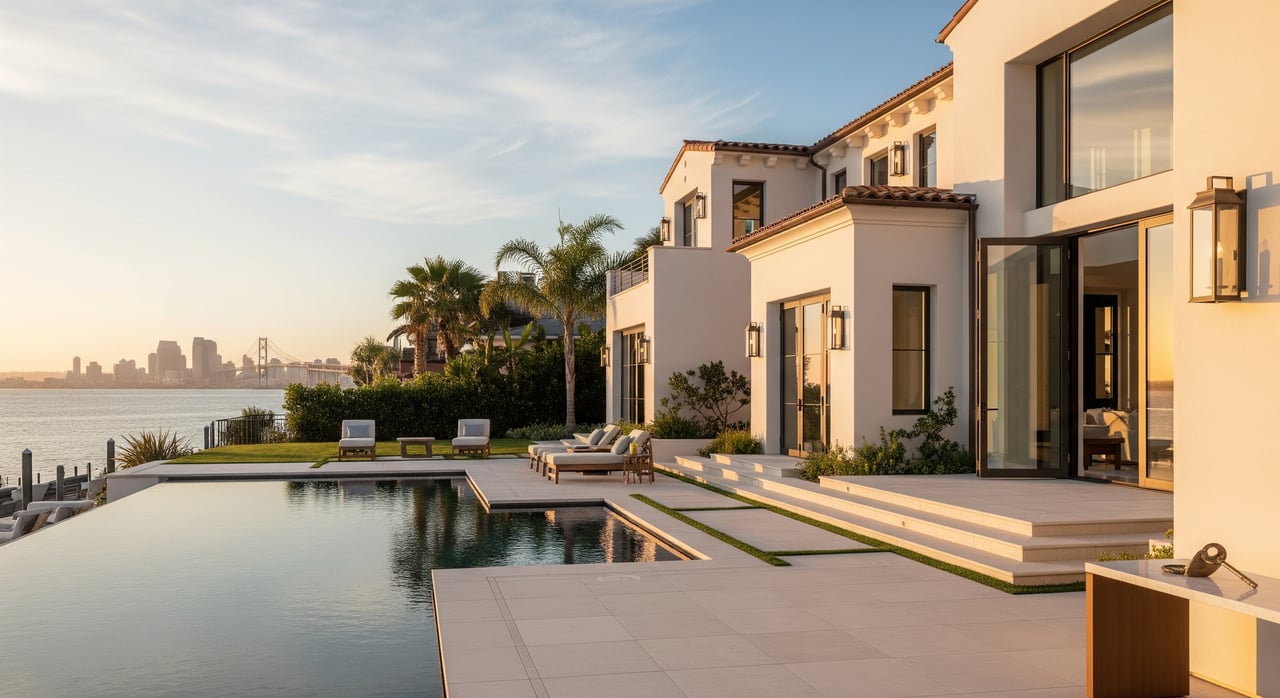
If you are deciding between using a Coronado home as a second home or your full-time residence, the choice is about more than lifestyle. How often you live in the property changes how you use the space, how you maintain it, and how much local support you may want in place. In a coastal market like Coronado, those details matter. Let’s dive in.
Why Coronado Works for Both
Coronado supports everyday living while also appealing to part-time owners. The city describes itself as a full-service city with its own police, fire, and marine safety services, along with parks, a library, a community center, and other resident amenities. It also has about 23,000 resident and Navy population and welcomes about two million visitors each year, which helps explain why access, parking, and day-to-day activity can feel more dynamic than in many inland areas.
That mix is part of Coronado’s appeal. You can enjoy a setting that feels connected, walkable, and service-rich, while still having practical city systems in place if you are not on site every day. The right fit usually comes down to how you want the home to function for you.
Full-Time Living in Coronado
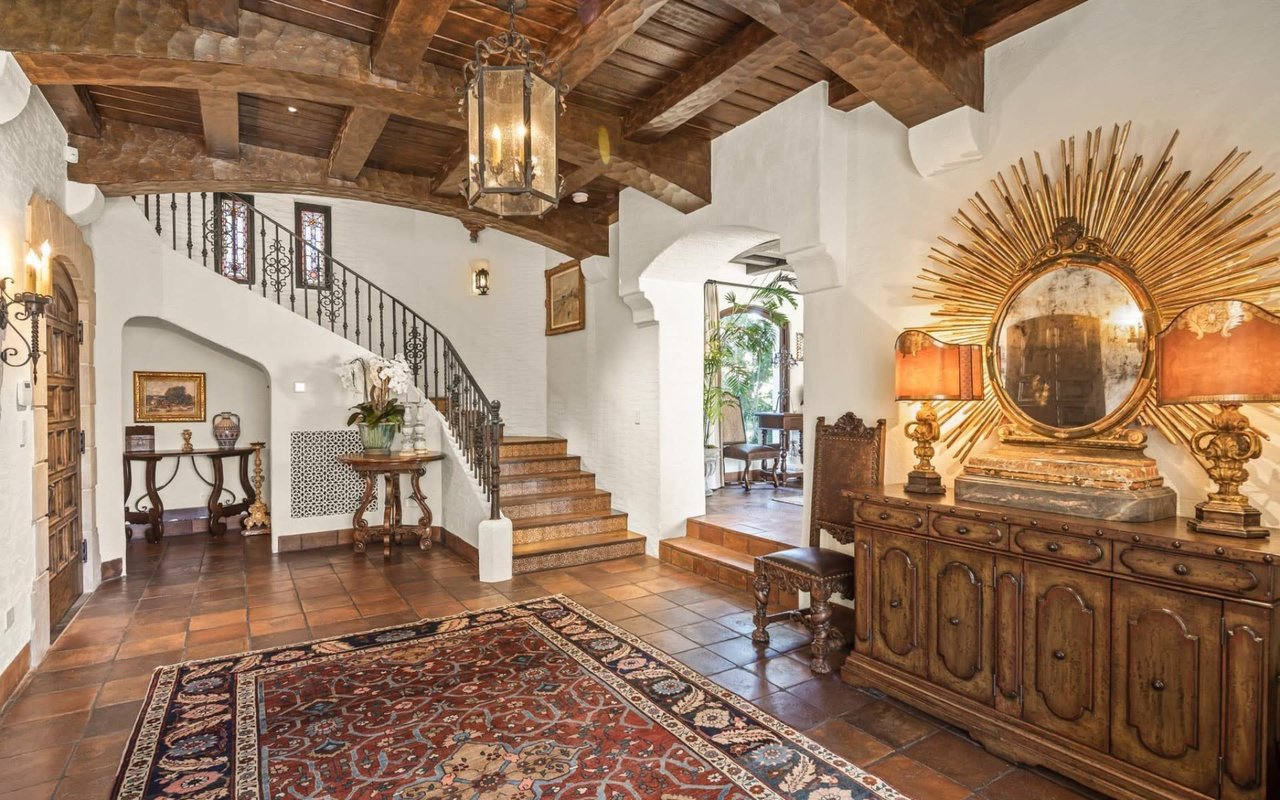
If you plan to live in Coronado year-round, your home becomes your everyday base. That means convenience tends to drive your decisions more than simplicity alone. You may care more about storage, kitchen setup, office space, guest flexibility, and how smoothly the house supports your weekly routine.
A full-time home also gives you more room to personalize. You may be more comfortable choosing custom finishes, sentimental furnishings, or a layout built around your habits because you are there to use, monitor, and maintain it regularly. The home does not need to be in constant lock-and-leave mode.
For many buyers, full-time living also makes local amenities more meaningful in daily life. Coronado offers city services, parks, beaches, a library, and alternative transportation options, including a commuter ferry. If you want a home that supports both coastal atmosphere and year-round practical living, those systems can matter just as much as the property itself.
What Full-Time Buyers Often Prioritize
- Everyday storage and organization
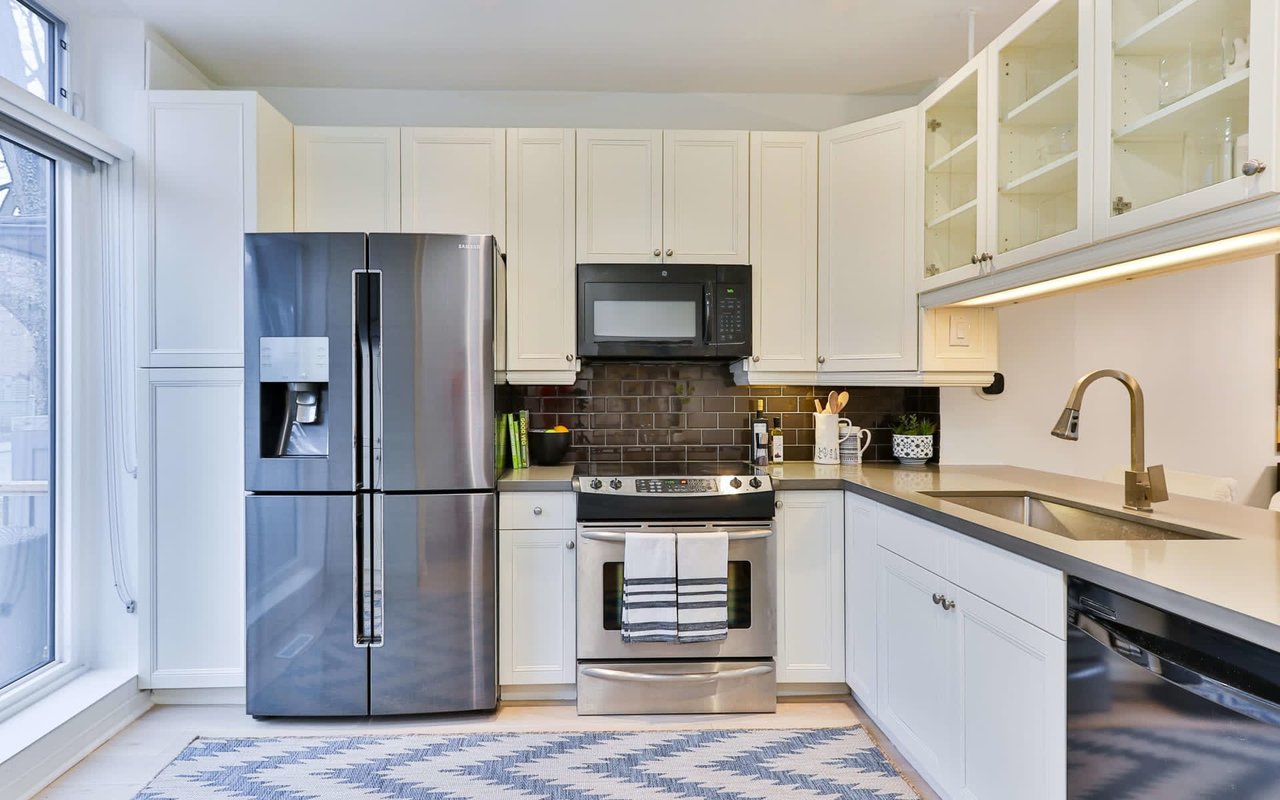
- A kitchen that supports regular use
- Office, study, or flexible bonus space
- Comfortable guest areas for visiting family and friends
- Layouts that feel easy for daily routines
- Proximity to transportation or community amenities that support regular use
Second-Home Living in Coronado
A second home serves a different purpose. Instead of supporting your daily routine every week, it needs to feel easy when you arrive and secure when you leave. That change in use can influence nearly every decision, from finishes and furnishings to maintenance planning.
When a home sits empty for stretches, the risk profile changes. Insurance industry guidance notes that vacancy can increase exposure to theft, vandalism, and damage that goes unnoticed. In practice, that means a beautiful second home should also be a manageable one.
For many part-time owners, the goal is lock-and-leave readiness. You want the home to be welcoming when you arrive, but also easy to close up without a long checklist or constant worry. Simpler layouts, clearly labeled storage, and easy-care materials can make a real difference.
What Second-Home Buyers Often Prioritize
- Durable, easy-to-clean finishes
- Fewer fragile or highly delicate furnishings
- Clear owner storage and guest storage
- Straightforward bed and bath setups
- Systems that are easy to monitor and maintain
- A local support plan for times when you are away
How Use Changes the Home
The biggest difference between full-time and part-time ownership is function. A primary residence is built around continuity. A second home is built around transition, with arrivals and departures happening more often and more intentionally.
That usually affects how you furnish and organize the space. In a full-time residence, you may choose more layered living, more personalization, and more items that reflect how you actually live. In a second home, a cleaner setup often works better because it reduces clutter, speeds up departures, and makes maintenance easier.
This is especially relevant in a coastal setting. If the property will be unoccupied at times, every material and system should be considered through a practical lens. The easiest homes to enjoy are often the ones that are designed to stay functional even when you are not there.
Coastal Maintenance Matters More
In Coronado, coastal conditions are part of ownership. EPA guidance notes that moisture control is the key to mold control and recommends drying wet or damp materials within 24 to 48 hours. It also suggests keeping indoor humidity below 60 percent, ideally between 30 and 50 percent.
That matters for any home, but it matters even more when a property may sit empty. A minor leak, condensation issue, or damp area can become a larger problem if no one sees it right away. For that reason, second-home buyers often benefit from thinking beyond décor and focusing on inspection routines and response plans.
Coronado’s shoreline environment also brings salt air into the equation. FEMA notes that salt spray and onshore winds can significantly increase corrosion risk, especially closer to the shore. For you as a buyer, that supports checking exterior hardware, railings, windows, and outdoor furnishings more often than you might inland.
Smart Coastal Maintenance Priorities
- Monitor moisture and humidity levels
- Check plumbing and any signs of leaks regularly
- Inspect window and door seals
- Review gutters and drainage paths
- Look at HVAC drip pans and condensation points
- Check metal hardware, connectors, and railings for corrosion
- Favor corrosion-resistant and low-maintenance materials where possible
What to Plan If the Home Sits Empty
If your Coronado property will be vacant for weeks or months at a time, planning matters as much as design. The safest approach is to think of the home as a managed asset, not just a getaway. You want a simple system that protects the property between visits.
Practical pre-departure steps can help reduce risk. Research cited in your source material supports basics like locking windows and doors, holding mail, setting timers, and asking a trusted neighbor to keep an eye on the property. Those small habits can help you spot problems earlier and make the home feel less obviously vacant.
It is also wise to have local vendors lined up before you need them. Coronado’s Public Services page states that if a sewer issue is private, the homeowner must contact a plumber. That is a useful reminder that city services form an important local backbone, but home-specific issues still require your own support network.
A Simple Lock-and-Leave Checklist
- Secure windows and doors
- Pause or manage mail and deliveries
- Use lighting timers
- Keep labeled storage organized for quick departures
- Arrange periodic check-ins from a trusted local contact
- Maintain a list of plumber, HVAC, and landscape vendors
- Have a response plan for leaks, sewer issues, or urgent repairs
Local Services That Support Ownership
One reason buyers are drawn to Coronado for both full-time and part-time use is the level of local support already in place. The city provides curbside trash, recycling, and organics collection through EDCO, along with public services and engineering support for infrastructure and beaches, building-services permitting, and household hazardous waste collection. Water service is contracted through California American Water.
For full-time residents, those systems support daily life. For second-home owners, they make remote ownership more workable because the city infrastructure is established and predictable. That does not replace private home oversight, but it does add a helpful layer of consistency.
Transportation options are also part of the conversation. Coronado offers alternative transportation planning and a city-subsidized commuter ferry for pedestrians and bicyclists. Depending on how you expect to use the home, that may shape whether you want a property geared toward daily routines or one designed for occasional coastal stays.
Questions to Ask Before You Decide
The right choice often becomes clearer when you step back from the dream and look at your habits. Ask yourself how many weeks or months a year you truly expect to be in the home. Then consider how comfortable you are managing maintenance, monitoring, and vendor coordination when you are away.
You should also think about how you want the property to feel. If you want a deeply personalized home that supports work, storage, and daily rhythm, full-time living may be the better fit. If you want a streamlined retreat that is easy to secure and simple to reopen, a second-home setup may serve you better.
Finally, verify property-specific issues early. Coronado’s building-services page notes that FEMA has re-evaluated flood hazards in San Diego County, including Coronado, and the research also notes that second homes can carry different vacancy-related insurance considerations than primary residences. Those details are best reviewed directly with your insurer, lender, and tax advisor for your specific plan.
How a Local Perspective Helps
In Coronado, the difference between a successful full-time home and a successful second home is often in the details. The right property is not only attractive on day one. It should also align with how you will actually live in it, care for it, and rely on it over time.
That is where local knowledge matters. From understanding how coastal conditions affect maintenance to recognizing which homes feel naturally turnkey for part-time use, an informed buying strategy can save you time and reduce surprises. In a market as specific as Coronado, clarity up front leads to better long-term ownership.
If you are weighing second-home use against full-time living in Coronado, The Clements Group can help you evaluate the property, the lifestyle fit, and the practical details with the local insight that matters.
FAQs
What is the main difference between a full-time home and a second home in Coronado?
- A full-time home is designed around everyday living, while a second home is usually set up for intermittent use, easier departures, and more active monitoring when vacant.
What should you watch for in a vacant Coronado second home?
- The main concerns are issues that can go unnoticed, such as leaks, moisture buildup, theft, vandalism, and maintenance problems that worsen while the home is empty.
What finishes make sense for a Coronado second home?
- Durable, low-maintenance, corrosion-resistant, and easy-to-clean materials are often the most practical fit for a coastal property that may not be occupied all the time.
What local services support homeowners in Coronado?
- Coronado provides city services that include police, fire, marine safety, parks, a library, curbside trash and recycling support through EDCO, building-services permitting, and public services infrastructure support.
Should you verify flood and insurance details for a Coronado home separately?
- Yes. Coronado’s building-services information notes flood hazard re-evaluations in the area, and second-home occupancy patterns can affect insurance considerations, so property-specific review is important.
How do you prepare a Coronado home for lock-and-leave use?
- A good plan includes securing entries, managing mail, using timers, organizing storage clearly, arranging local check-ins, and keeping trusted repair contacts ready before an issue comes up.