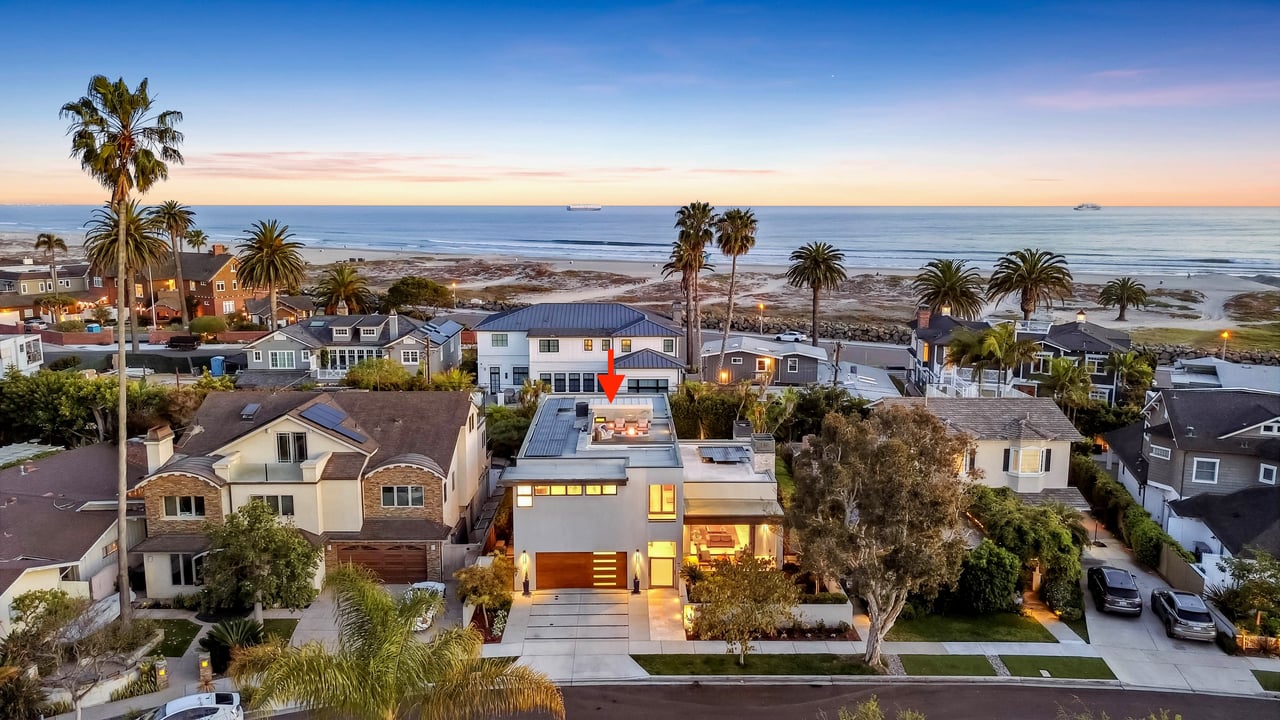
Curious why one Coronado home feels like a timeless resort retreat while another reads as a breezy beach cottage or a crisp, modern escape? In 92118, architecture is a big part of what gives luxury property its identity, and understanding those differences can help you buy or sell with more confidence. If you are drawn to design, lifestyle, and long-term value, this guide will help you recognize the architectural styles that shape Coronado’s high-end housing story. Let’s dive in.
Coronado’s architectural identity
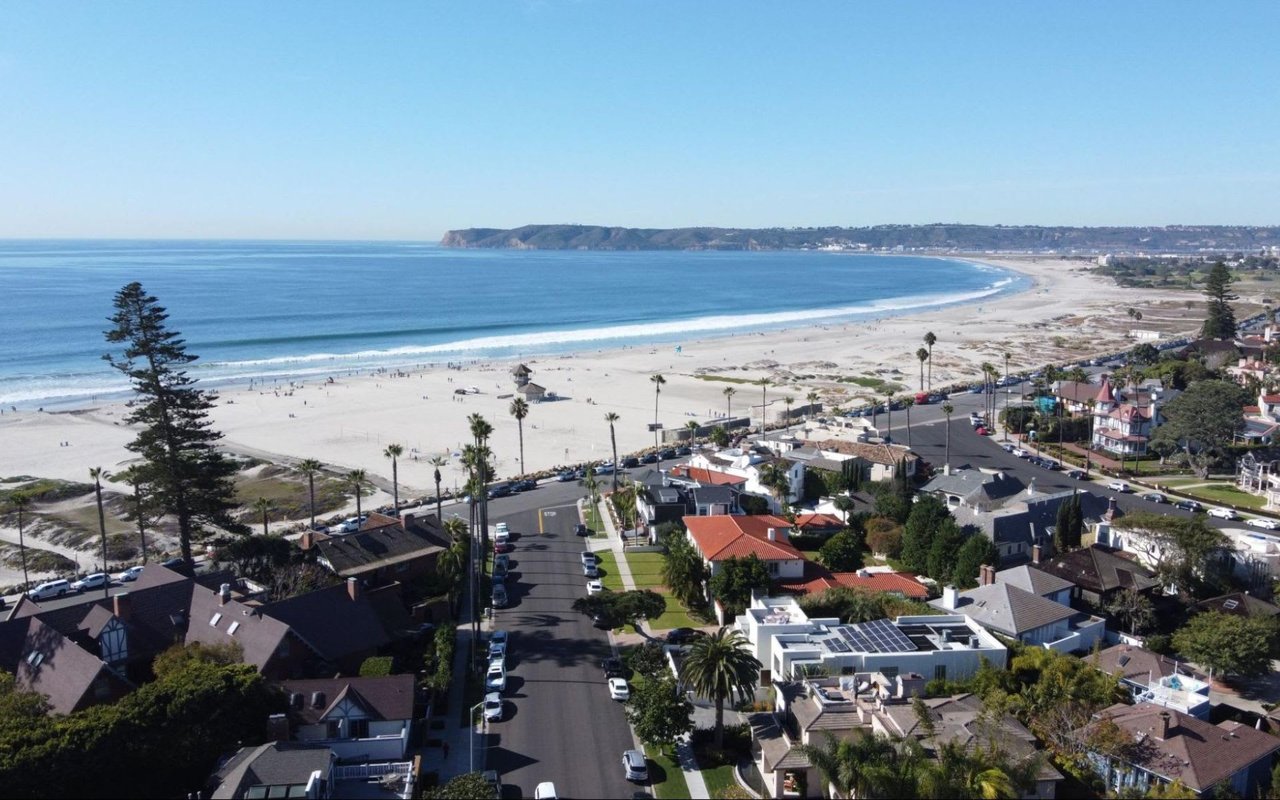
Coronado is not defined by just one look. According to the City of Coronado, the island’s residential inventory spans from the late 1880s through the late 1960s, creating a layered housing landscape shaped by decades of coastal development. That range is a major reason buyers find such a distinctive mix of cottages, revival homes, and later modern residences here.
The city also identifies Spanish Colonial Revival, Mediterranean Revival, Tudor Revival, and Craftsman as some of the most common architectural styles in its historic survey. For luxury buyers and sellers, that means architecture is more than curb appeal. It often shapes how a home lives, how it is maintained, and how it is positioned in the market.
Victorian roots in Coronado
Coronado’s earliest architectural chapter is tied to its resort-era beginnings. The Hotel del Coronado, identified by the California Office of Historic Preservation as a Victorian hotel built in 1887, remains the island’s best-known early landmark and one of America’s largest wooden buildings. Its presence helps explain why Coronado still carries a strong sense of historic seaside character.
Victorian cottages and early eclectic homes
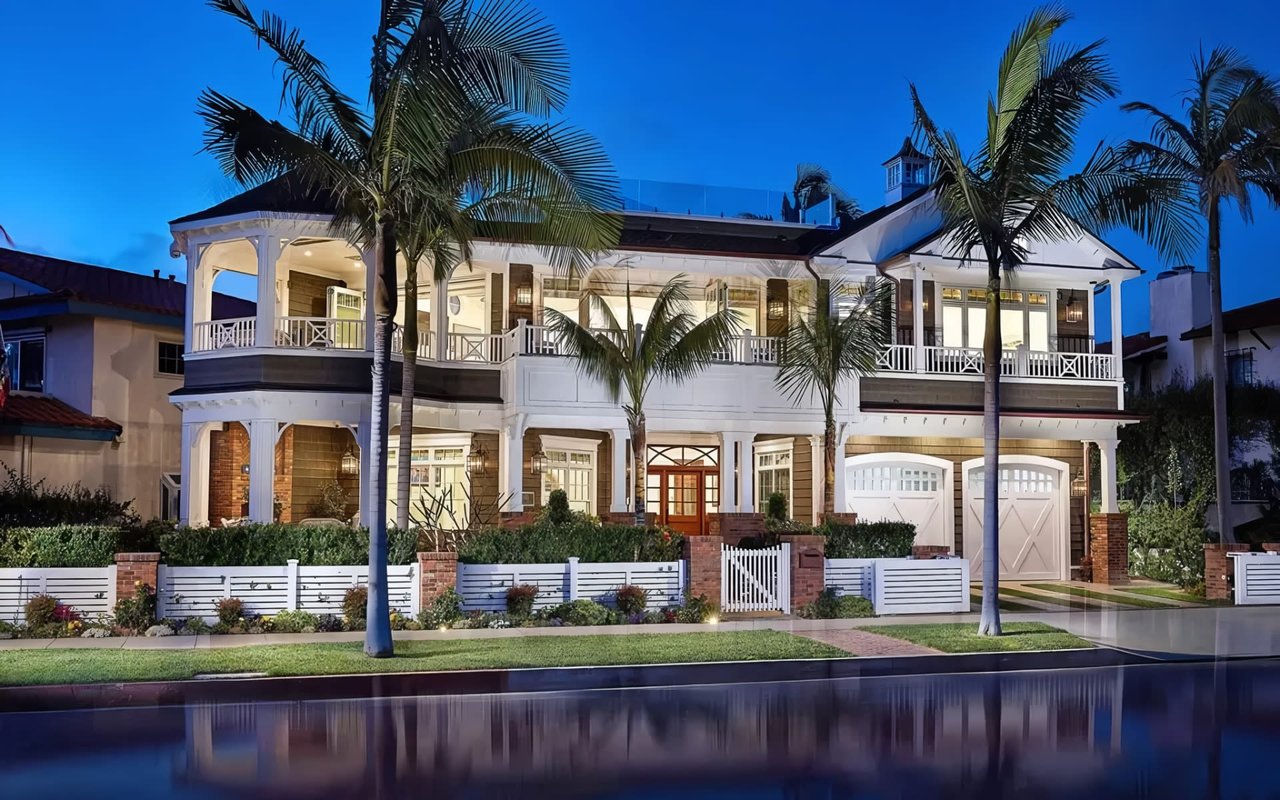
The city’s historic context statement highlights early residential styles such as Italianate, Carpenter Gothic, and Folk Victorian. These homes often feature porches, decorative trim, and a human-scaled street presence that feels welcoming and visually rich. In a luxury setting, that charm can translate into a highly memorable home with strong architectural personality.
For you as a buyer, these properties often appeal because they feel rooted in Coronado’s original story. For you as a seller, the architecture itself can become part of the marketing narrative, especially when original details remain visible and well cared for. At the same time, wood porches, trim, and older windows usually require more hands-on maintenance in a coastal environment.
Craftsman homes with classic warmth
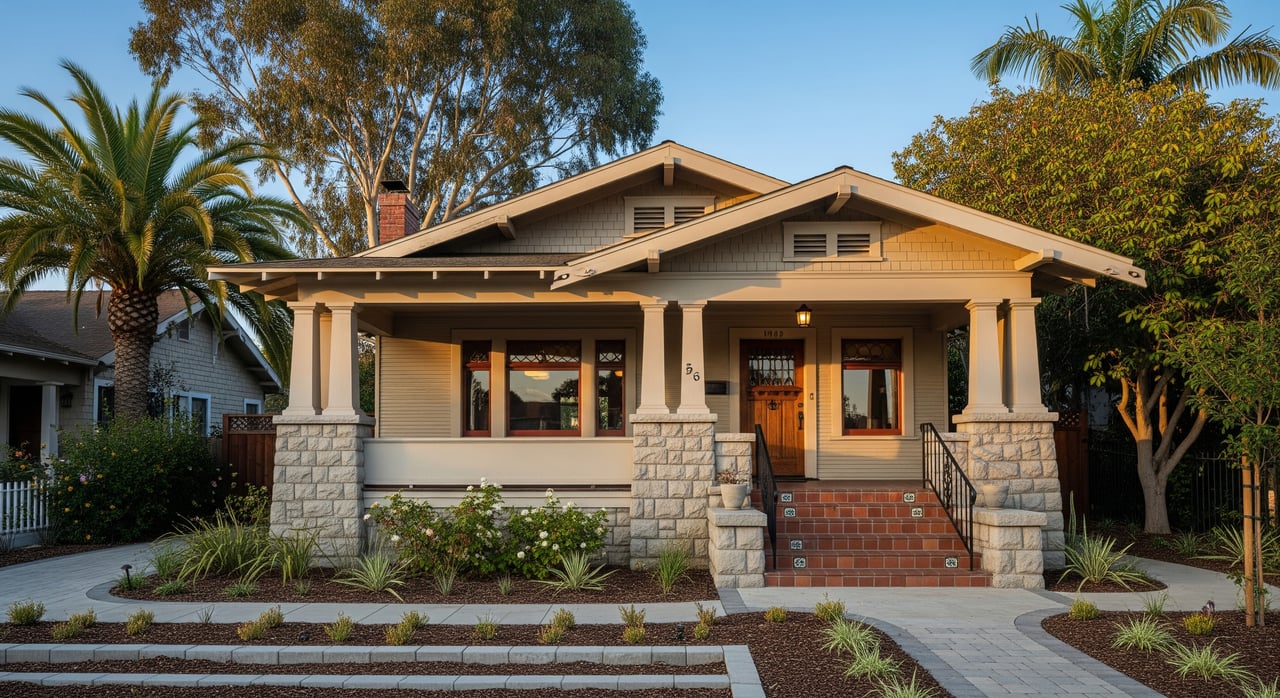
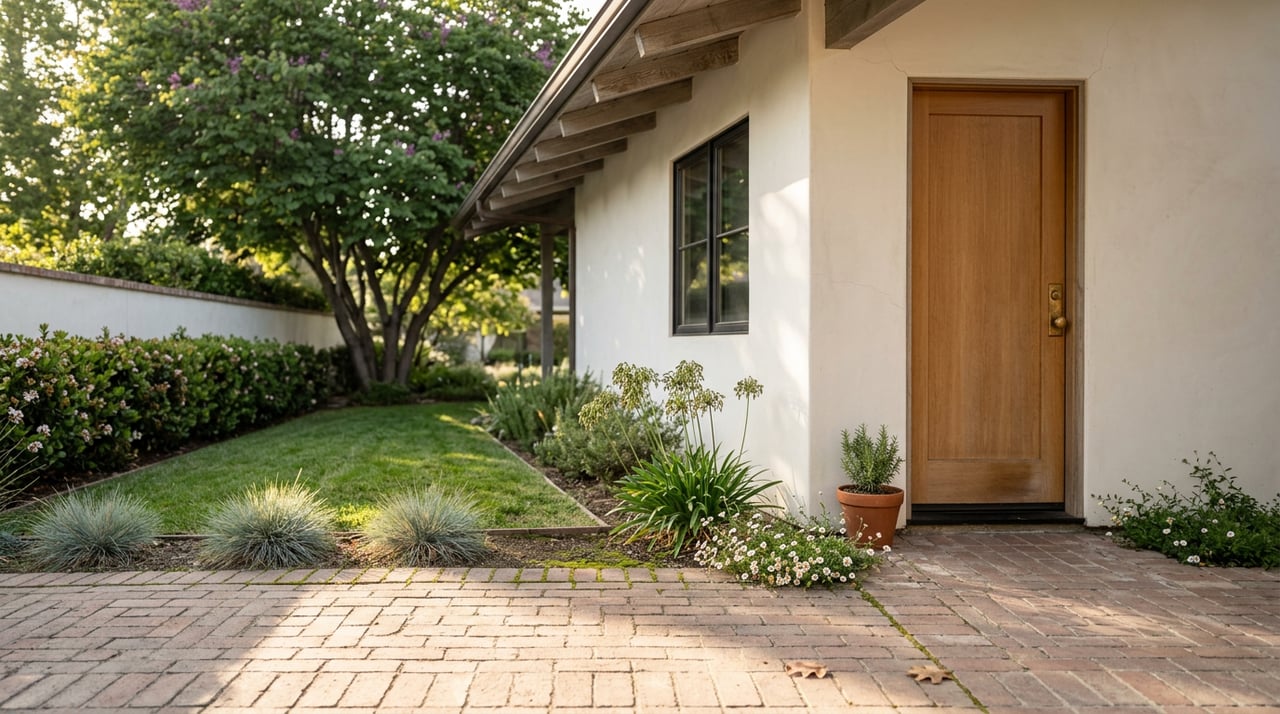
Craftsman and California Bungalow homes are among Coronado’s most recognizable early 20th-century house types. The city describes these homes with low-pitched roofs, exposed rafters, prominent porches, battered columns, grouped windows, and a mix of stucco, wood, stone, or brick cladding. That combination gives them a grounded, tactile quality that many buyers find appealing.
Why Craftsman still stands out
In the luxury market, Craftsman homes often offer warmth rather than grandeur. They tend to feel intimate, detailed, and visually balanced, which can be especially attractive if you want character over scale. Their porches and layered exterior details also create a strong connection to the street and outdoor living.
From an ownership perspective, upkeep tends to center on porch repair, roofline preservation, and maintaining original exterior features. If you are selling a Craftsman home, presentation matters. Clean architectural lines, preserved details, and thoughtful preparation can help buyers appreciate the craftsmanship that defines the style.
Spanish and Mediterranean appeal
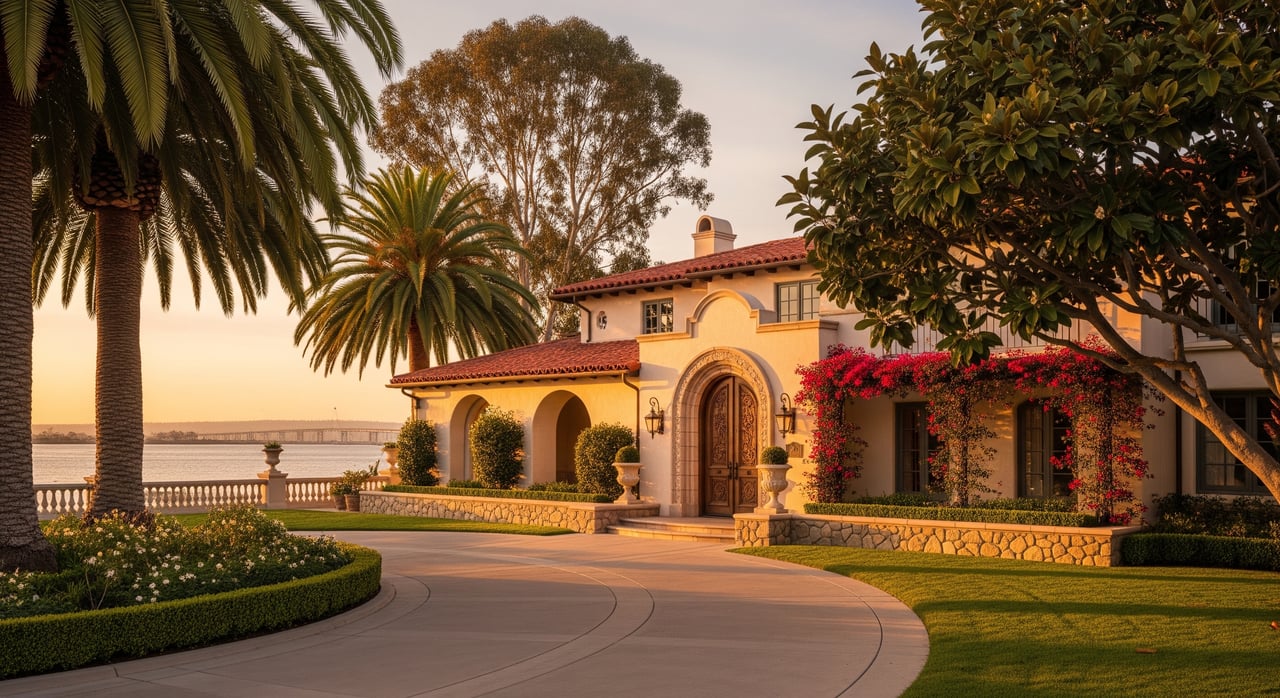
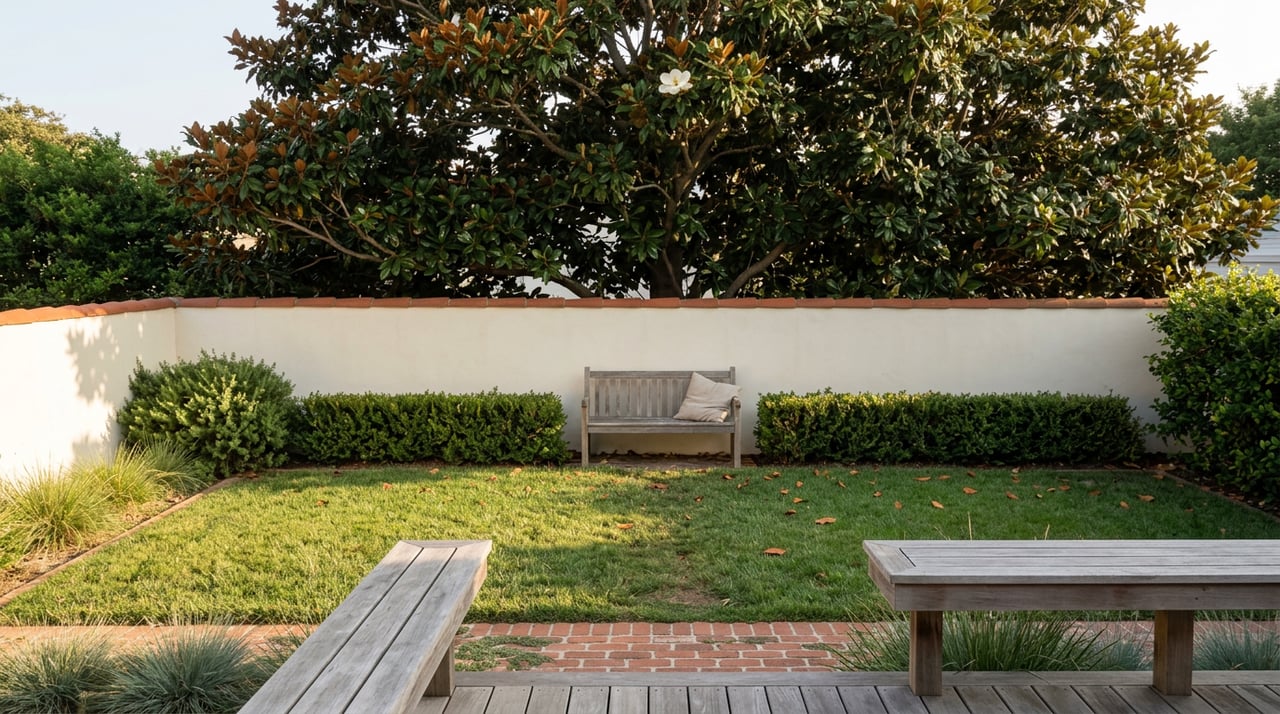
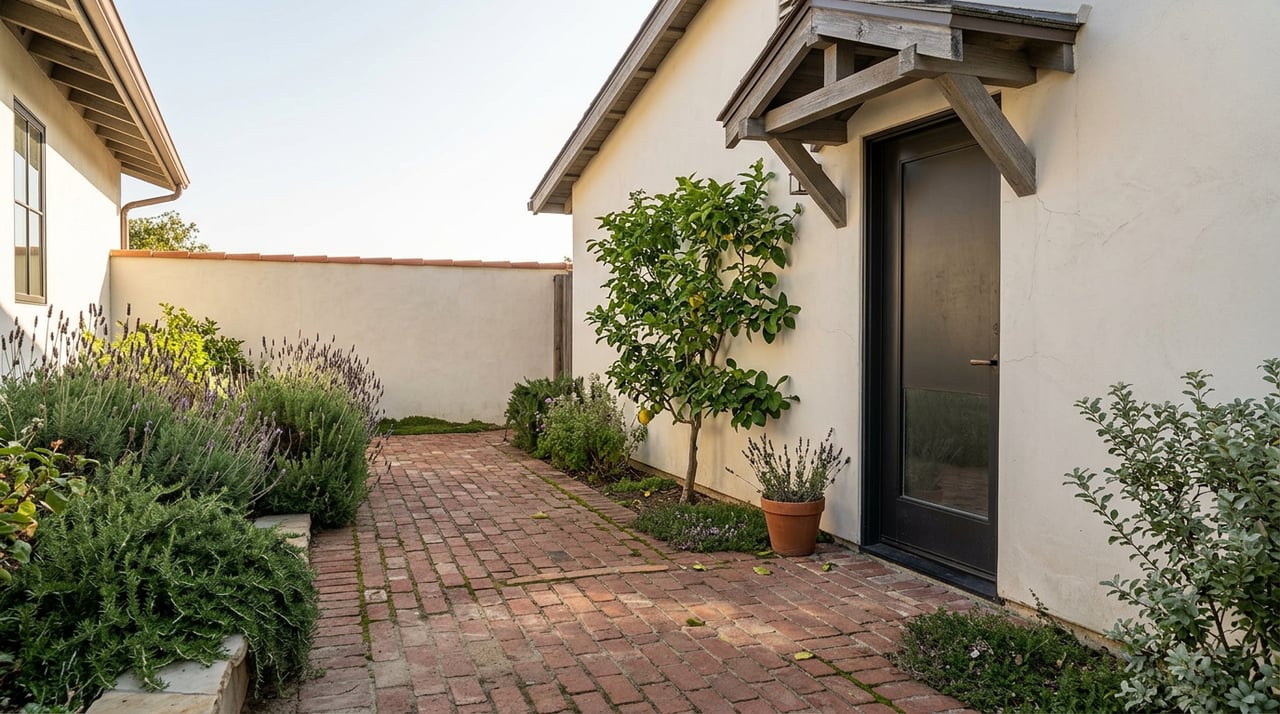
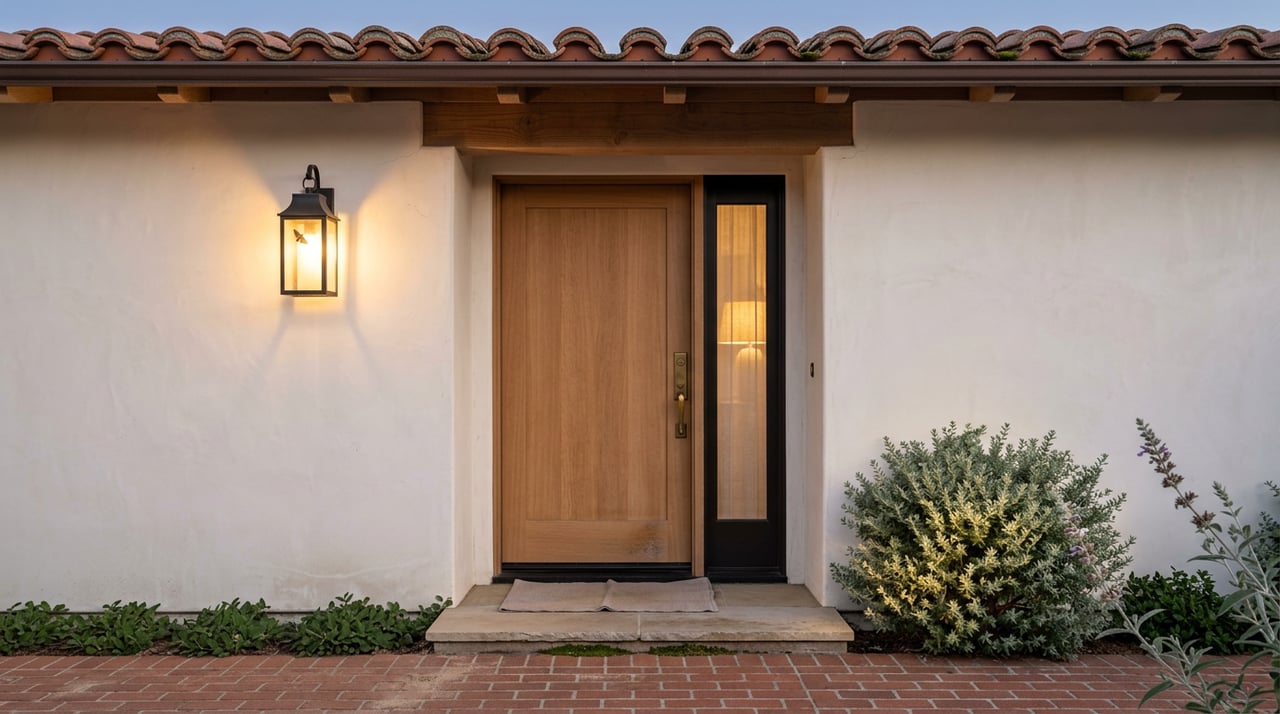
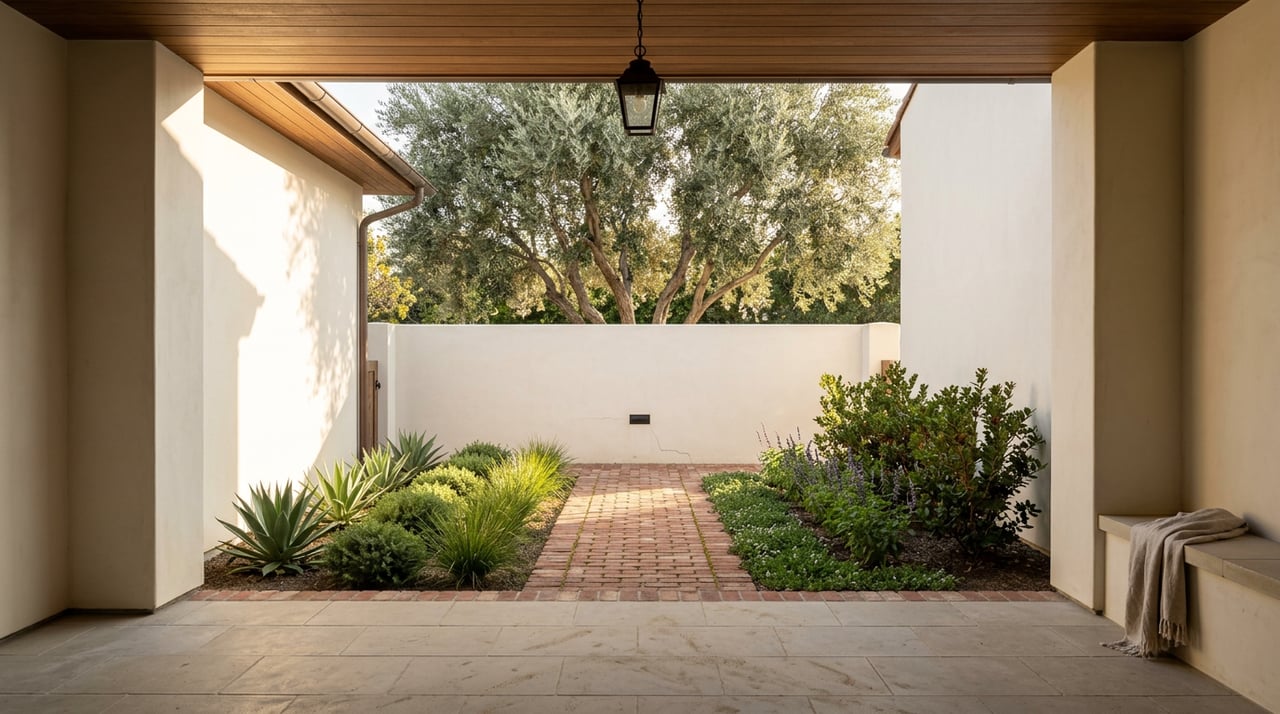
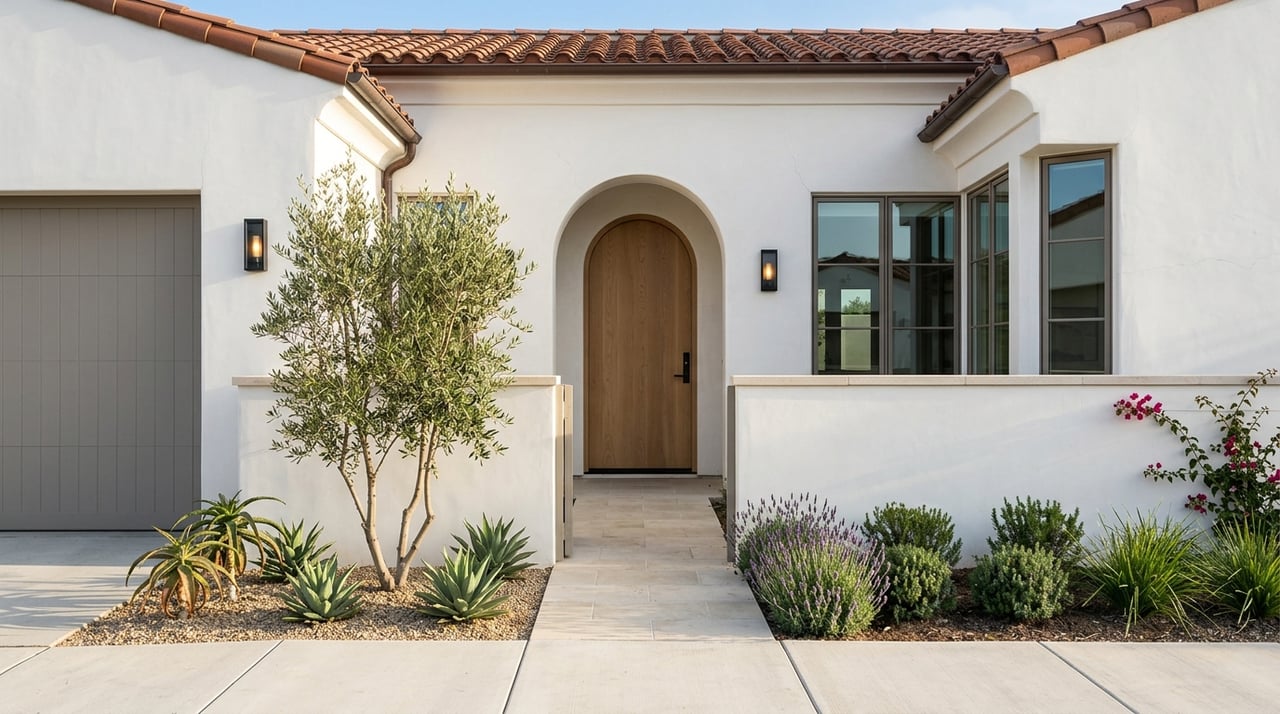
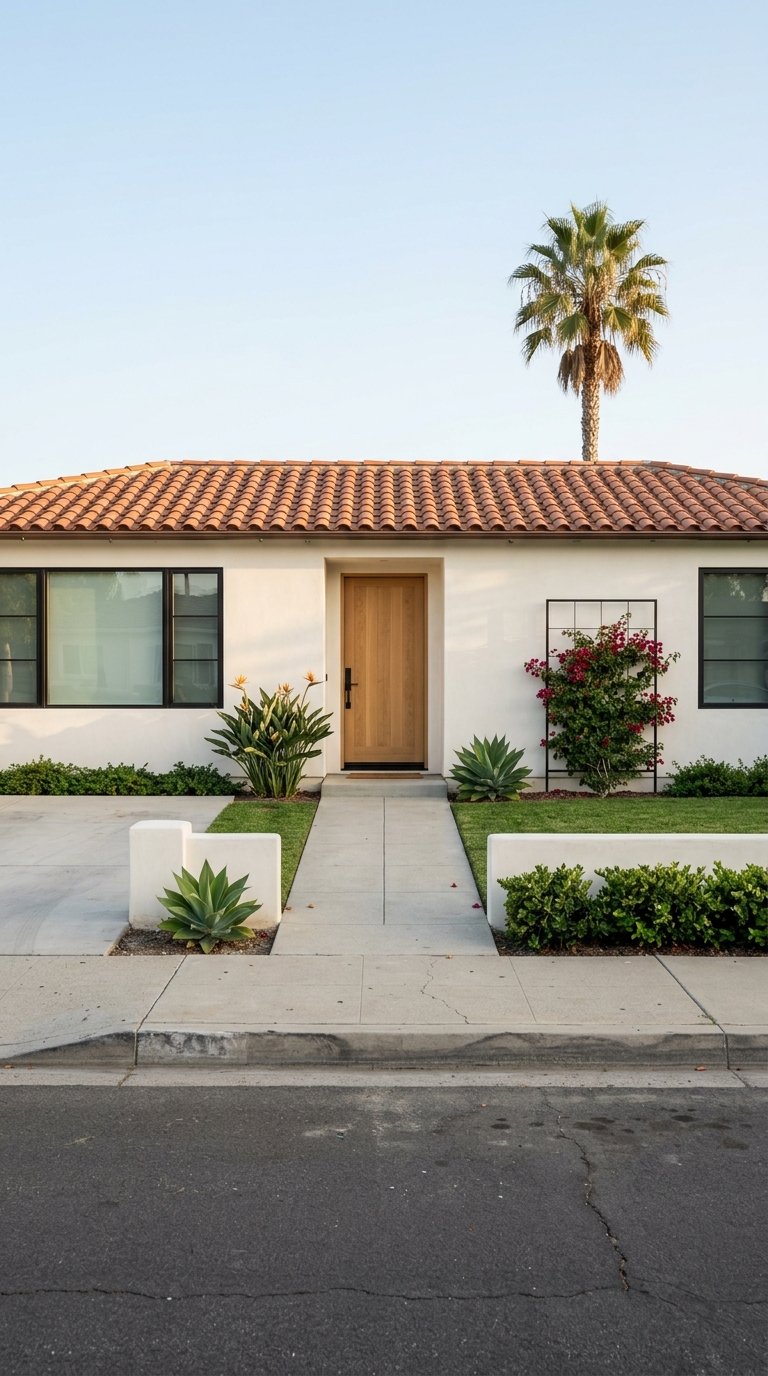
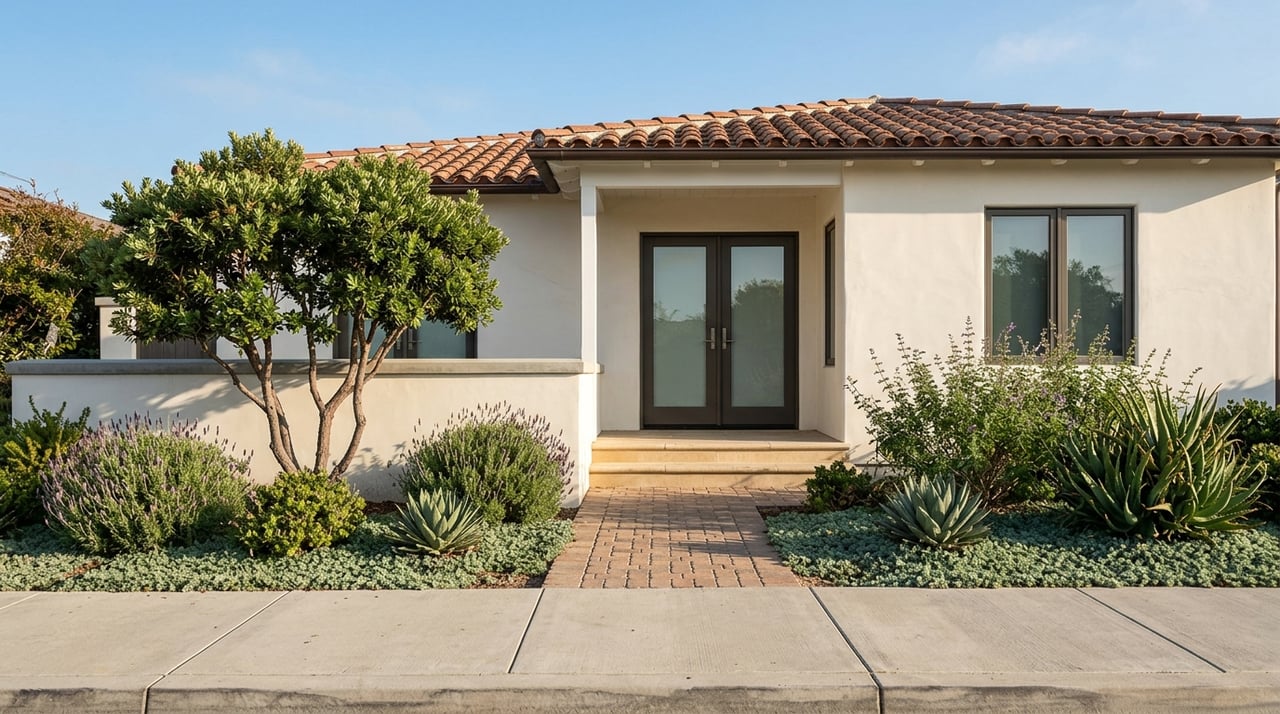
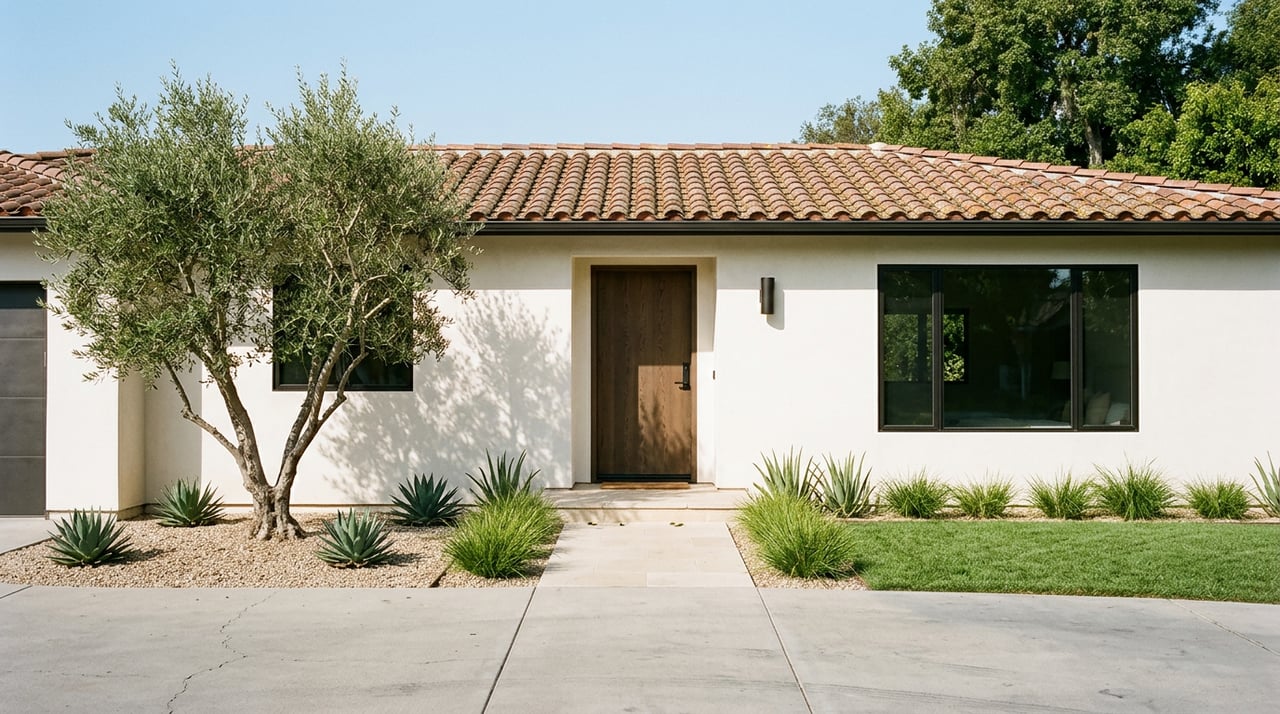
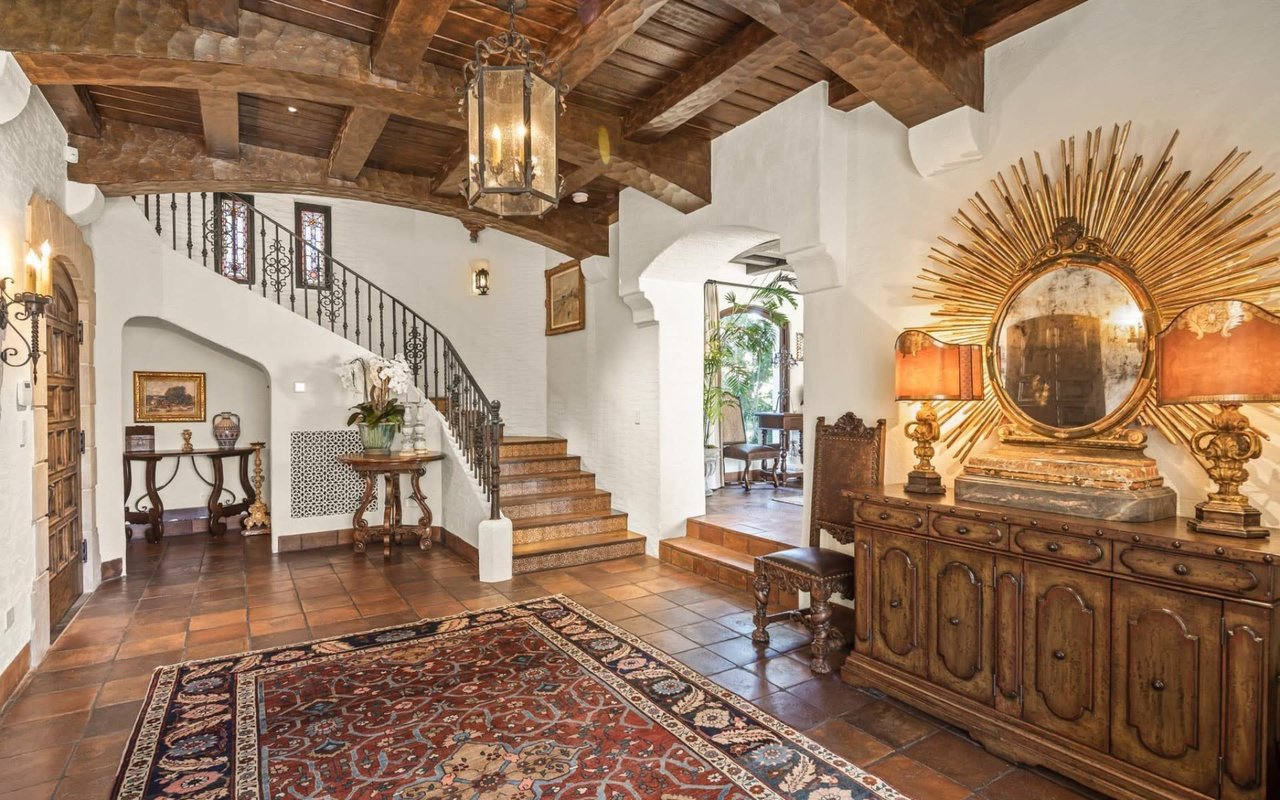
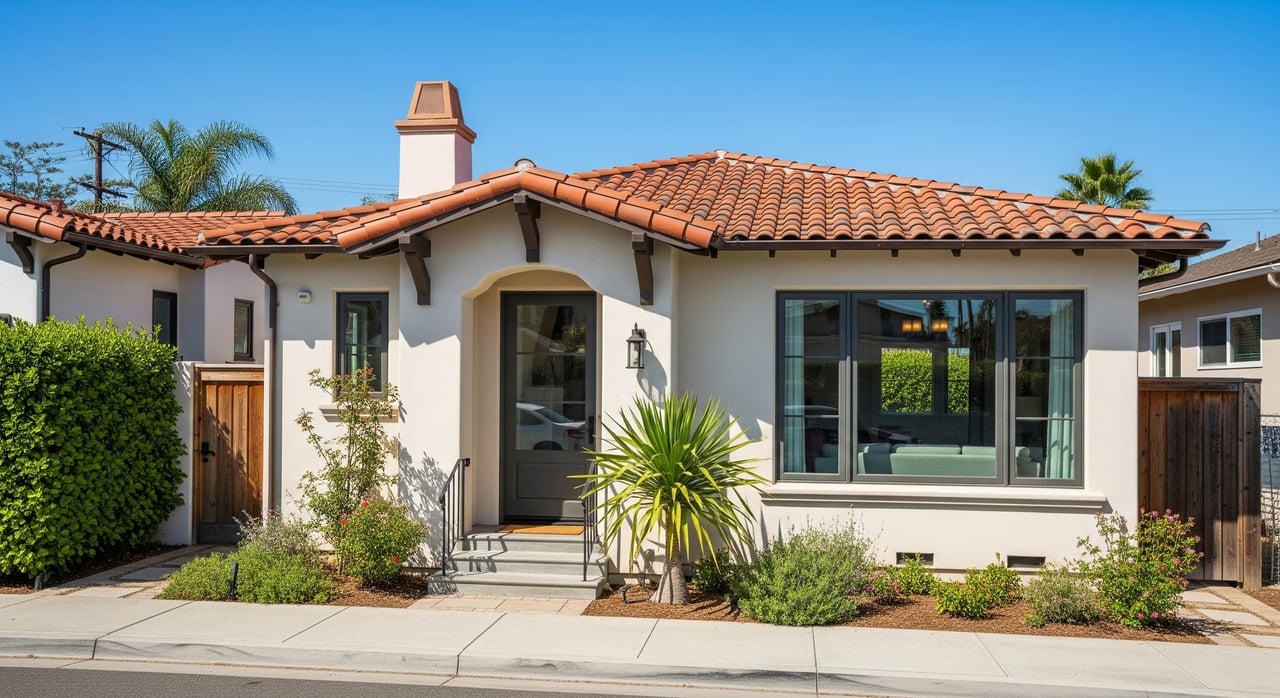
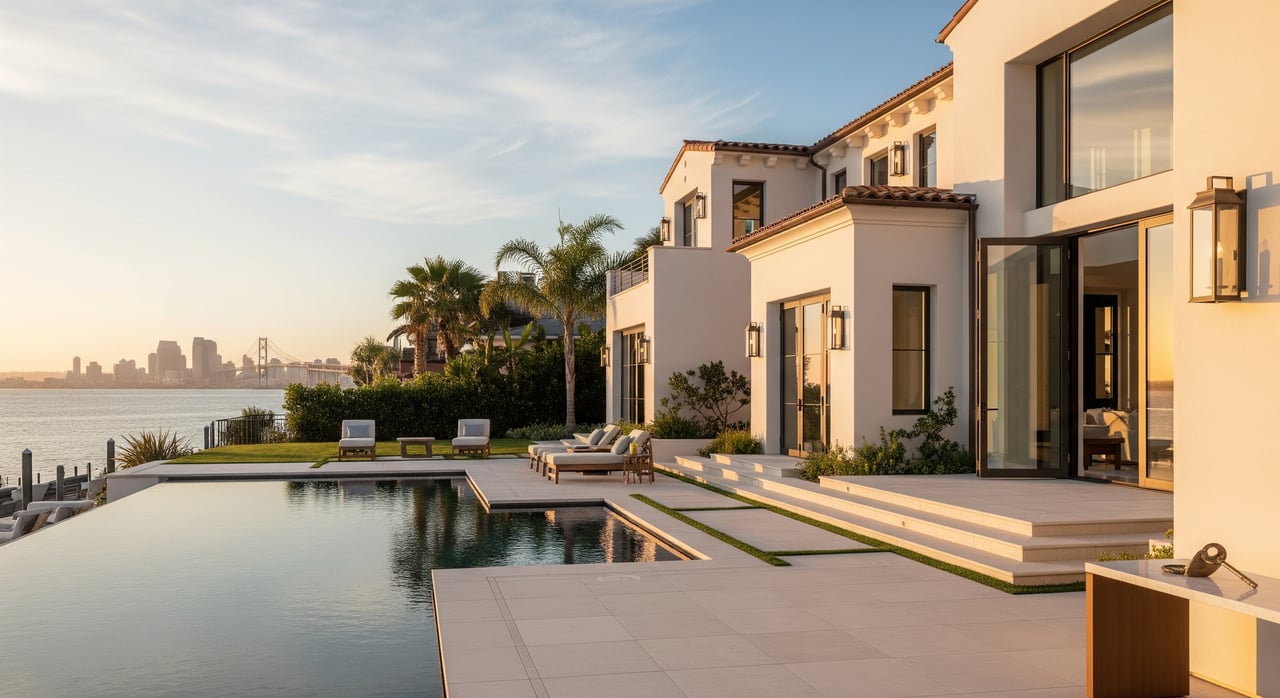
For many buyers, Spanish Colonial Revival and Mediterranean Revival represent the signature Coronado look. The city describes these homes with stucco walls, red clay tile roofs, arches, balconies, courtyards, and wrought iron. Those features often create the kind of resort-like atmosphere that aligns naturally with coastal luxury living.
Why these styles feel timeless
These homes are especially well suited to indoor-outdoor living. Courtyards, sheltered outdoor areas, and textured architectural details can make a property feel private, elegant, and relaxed at the same time. In Coronado, that combination has lasting appeal because it fits both the climate and the island’s visual identity.
For buyers, these homes often offer a sense of arrival and permanence. For sellers, they usually photograph beautifully and tell a strong lifestyle story. The tradeoff is that maintenance often focuses on stucco repair, clay tile roof care, and protecting ironwork and openings from coastal wear.
Tudor and romantic revival homes
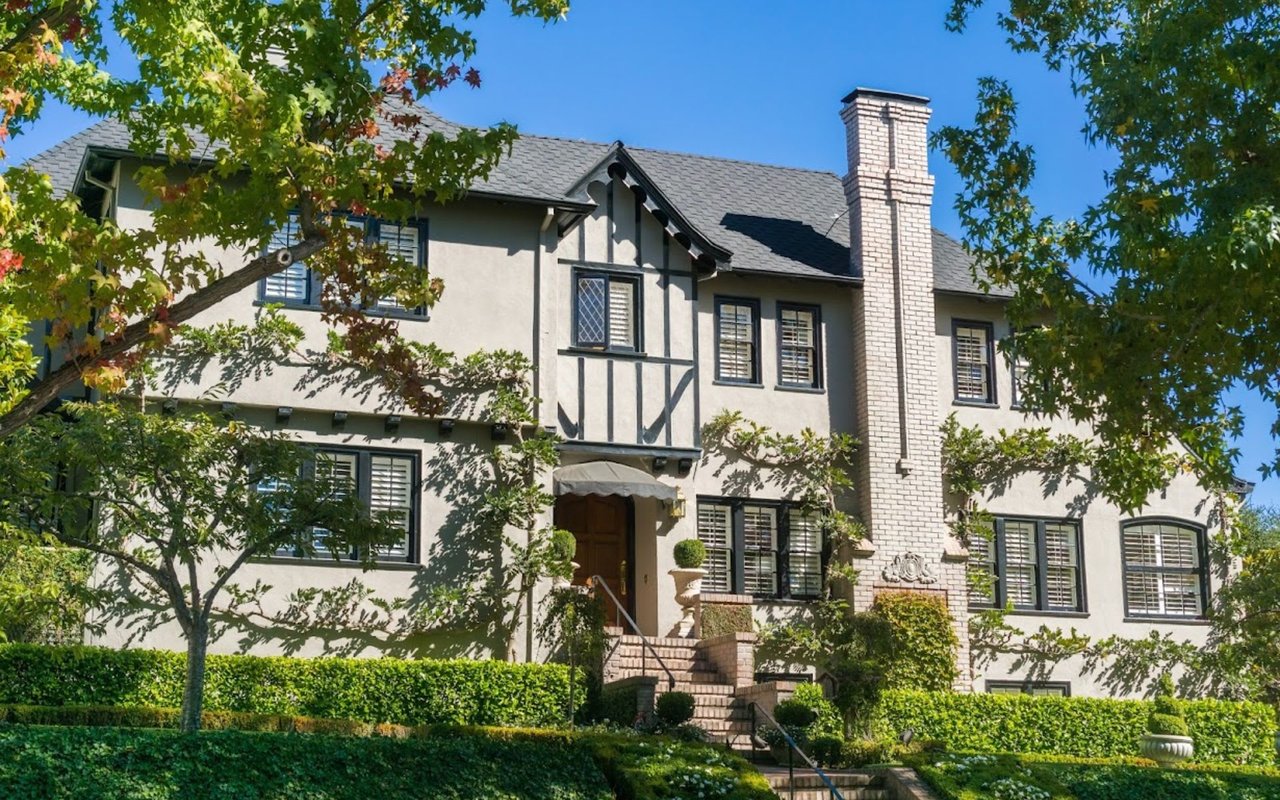
Coronado also has a dramatic collection of Tudor Revival, Storybook, and French Eclectic homes. The city’s survey notes features such as steep gables, large chimneys, half-timbering, arches, towers, and textured masonry. These are the homes that often stand apart at first glance.
What makes these homes memorable
If you are drawn to individuality, these styles can be especially compelling. They often deliver contrast, texture, and a sense of old-world character that is difficult to replicate. In a market where many luxury homes compete on finish and location, architecture like this can create real distinction.
That said, these homes reward careful ownership. Roofs, masonry, chimneys, and decorative woodwork all play a large role in the home’s appearance and condition. For resale, well-maintained original features can help preserve the architectural impact that makes these properties special in the first place.
Modern and coastal contemporary design
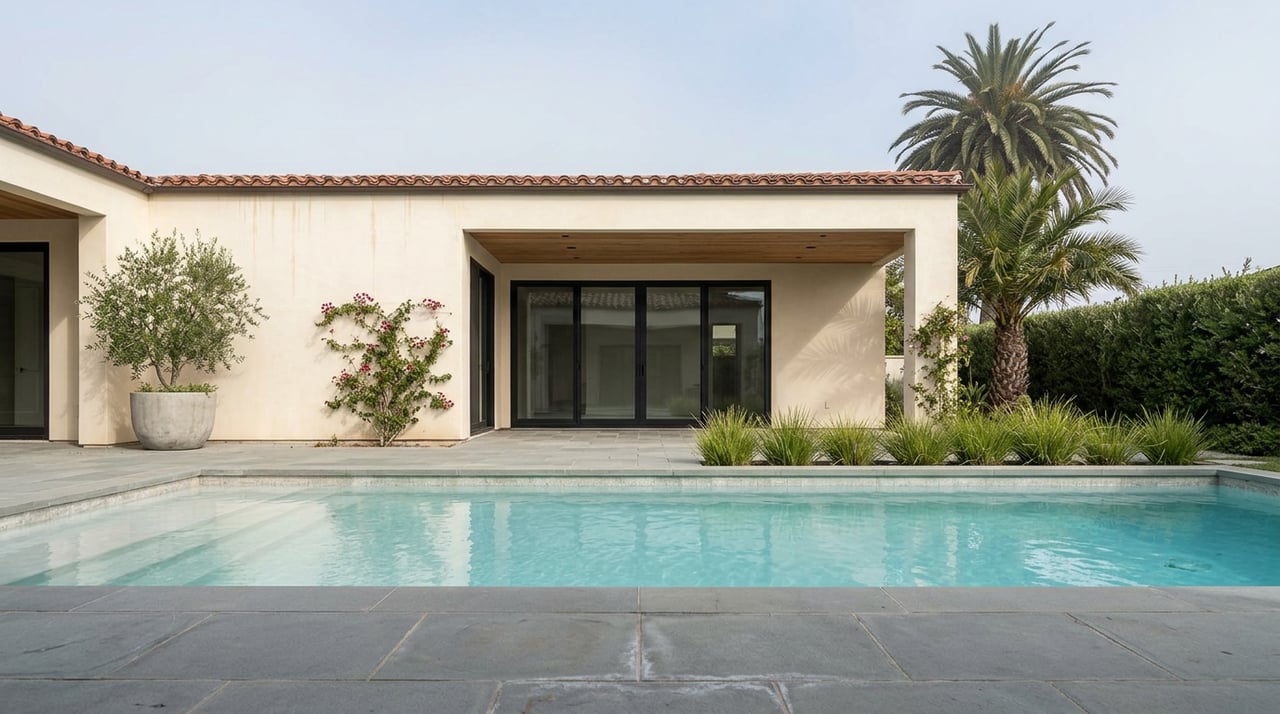
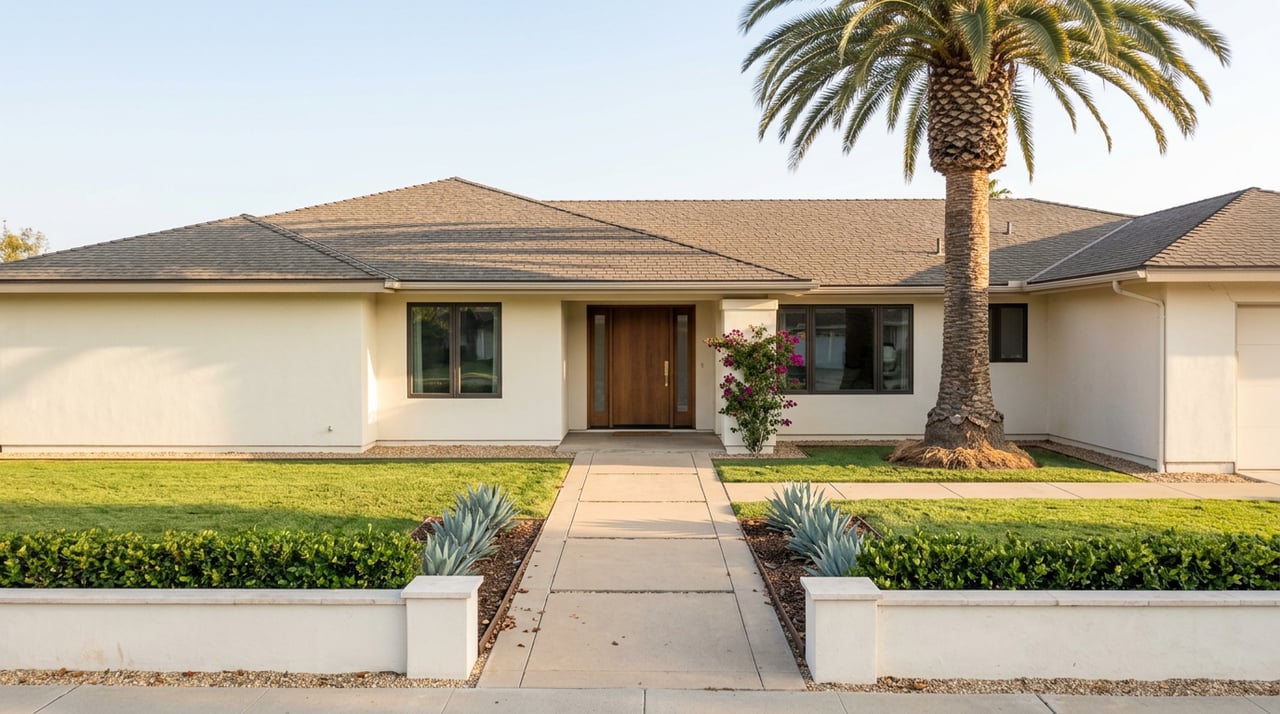
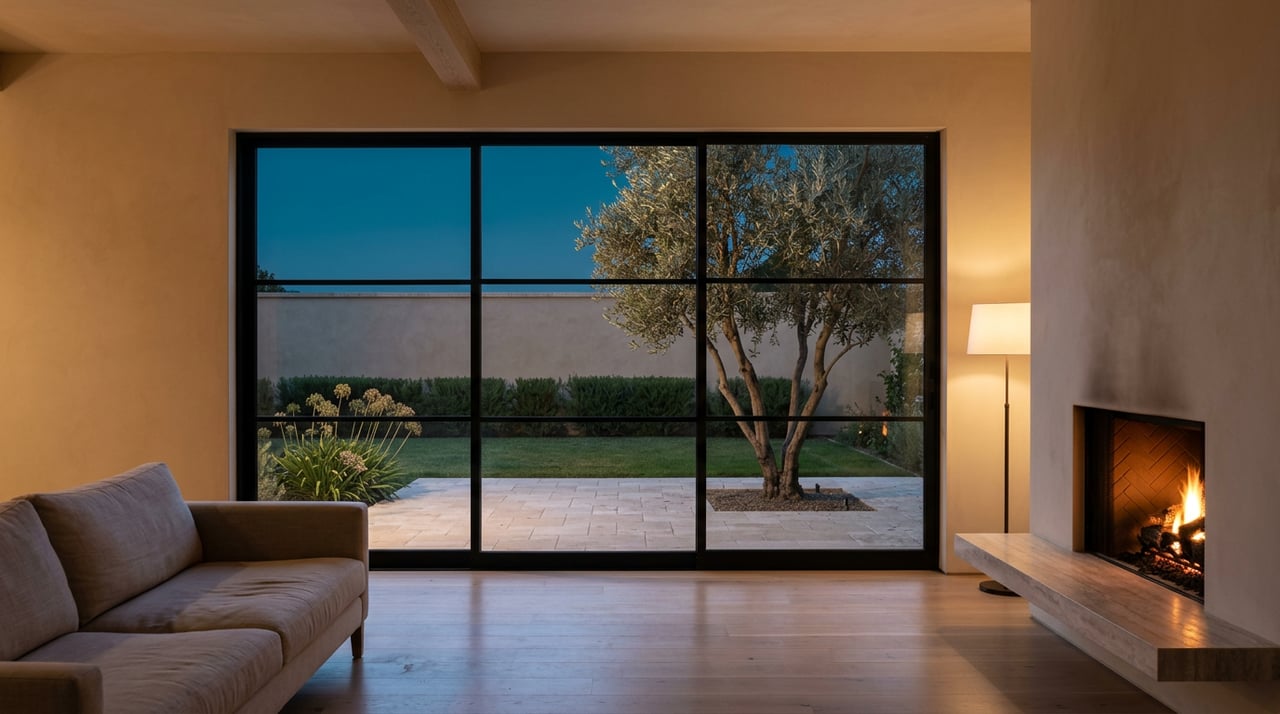
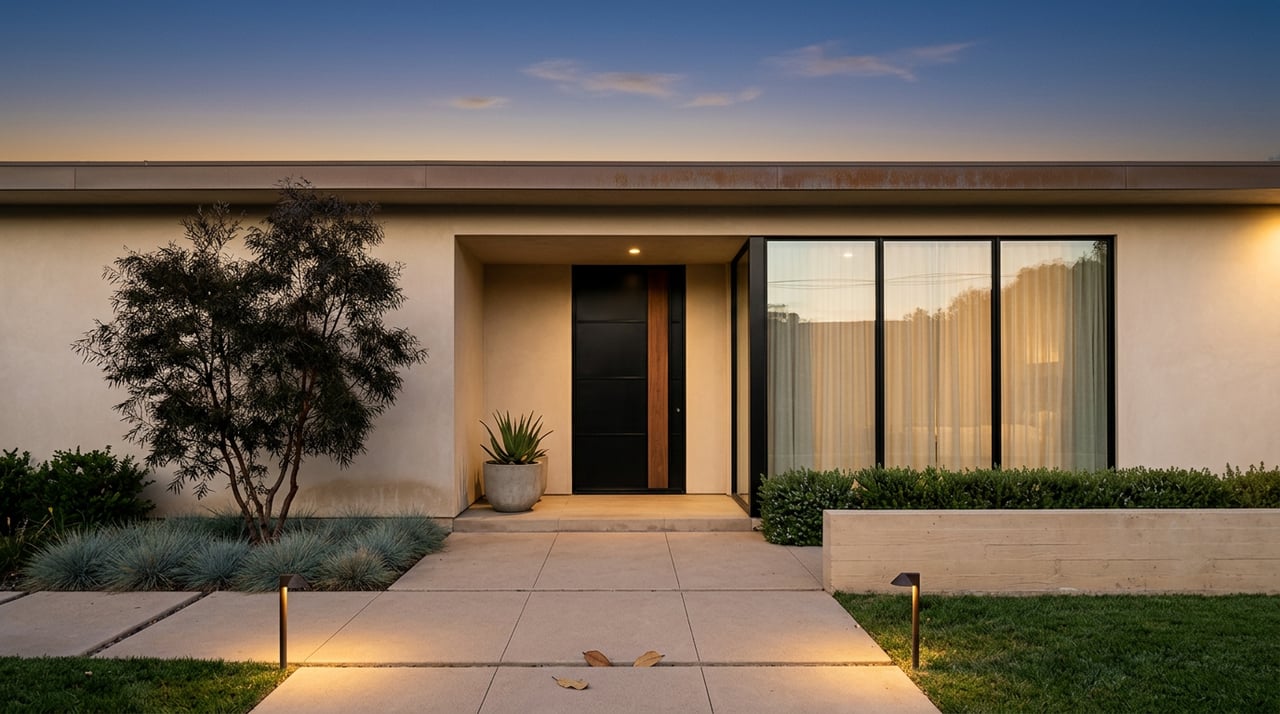
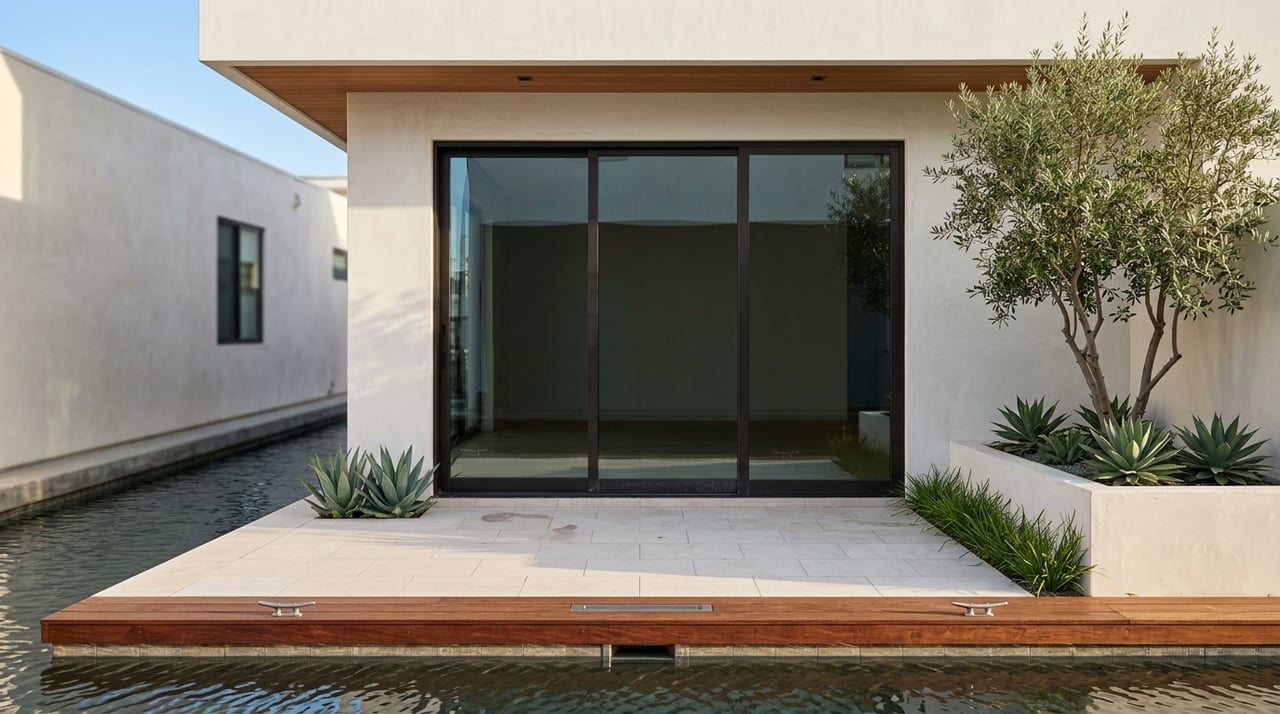
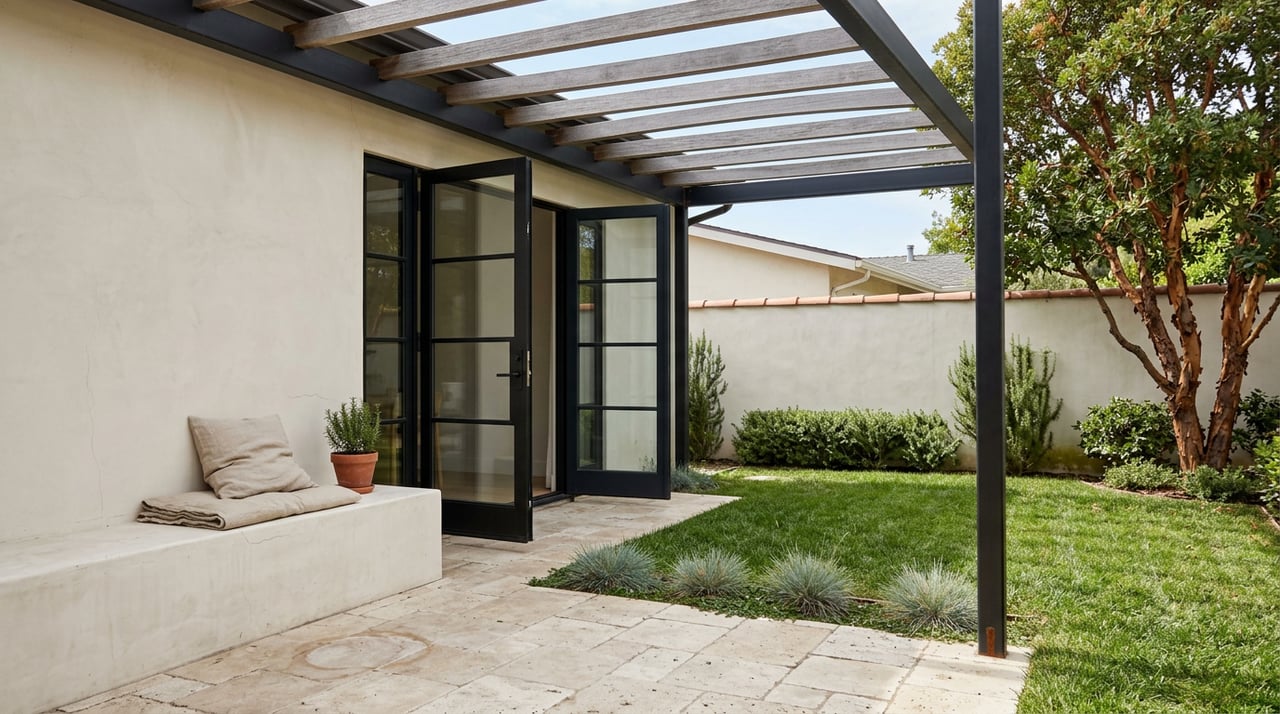
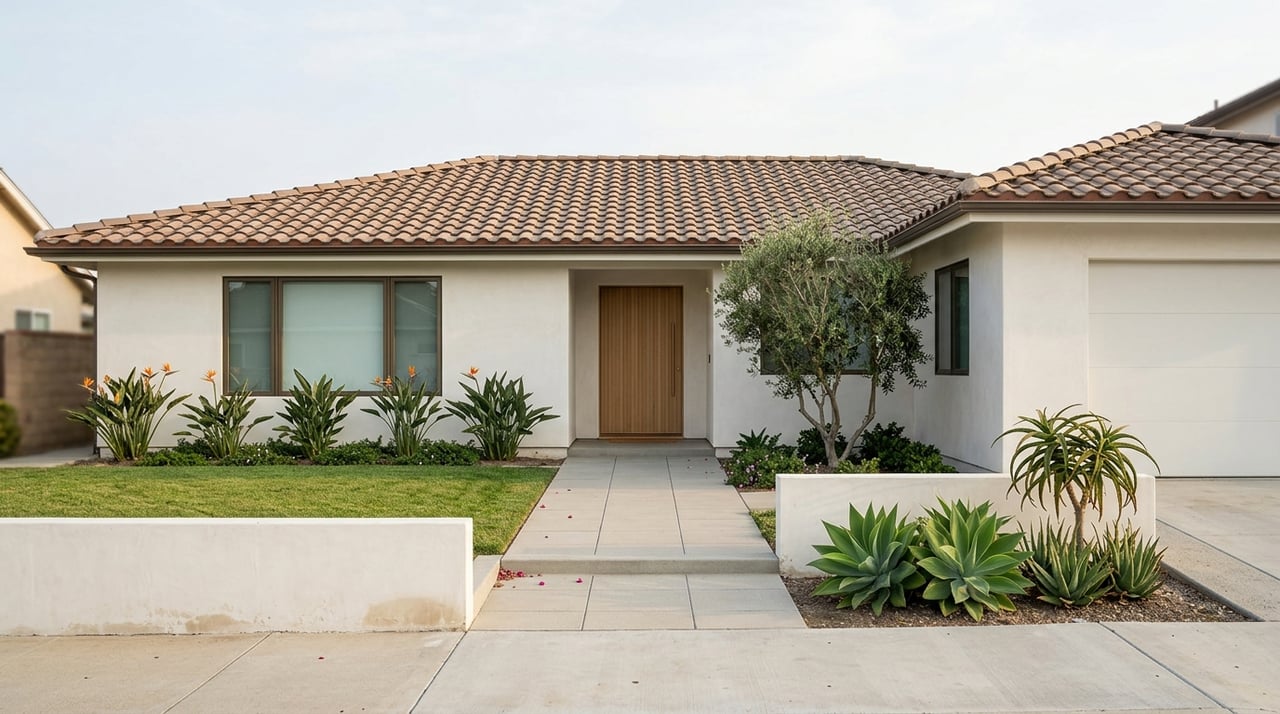
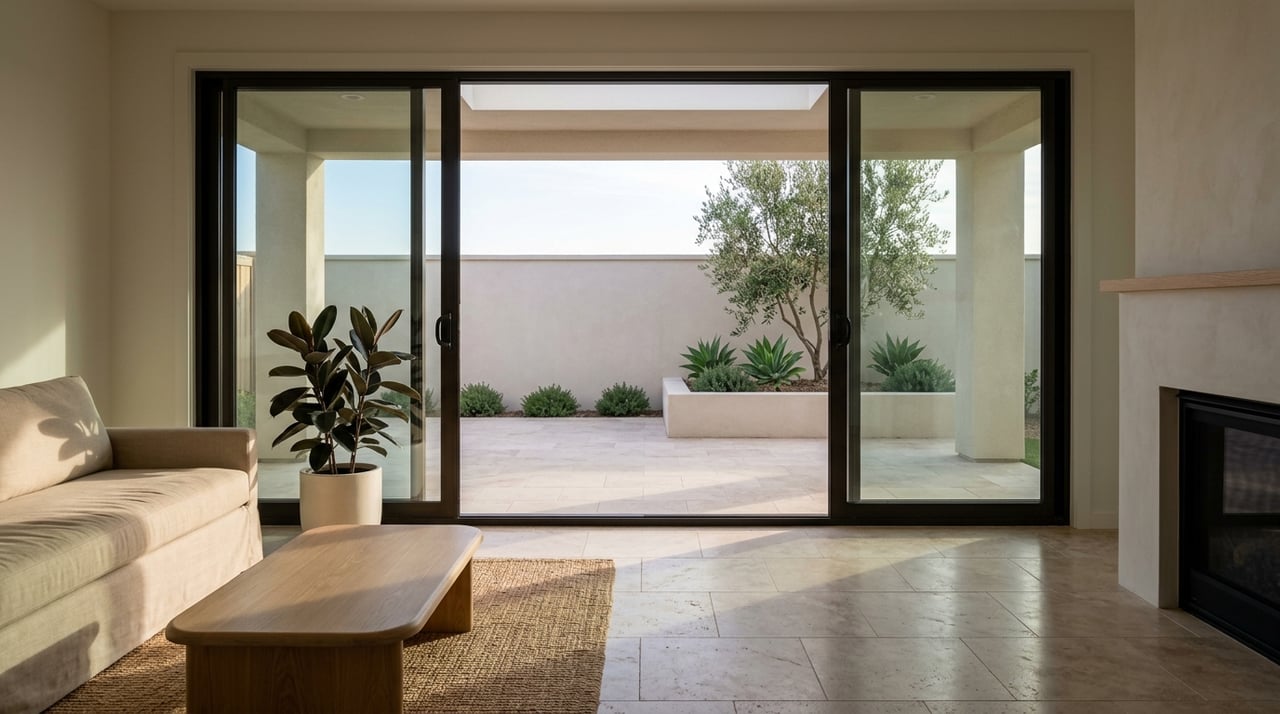
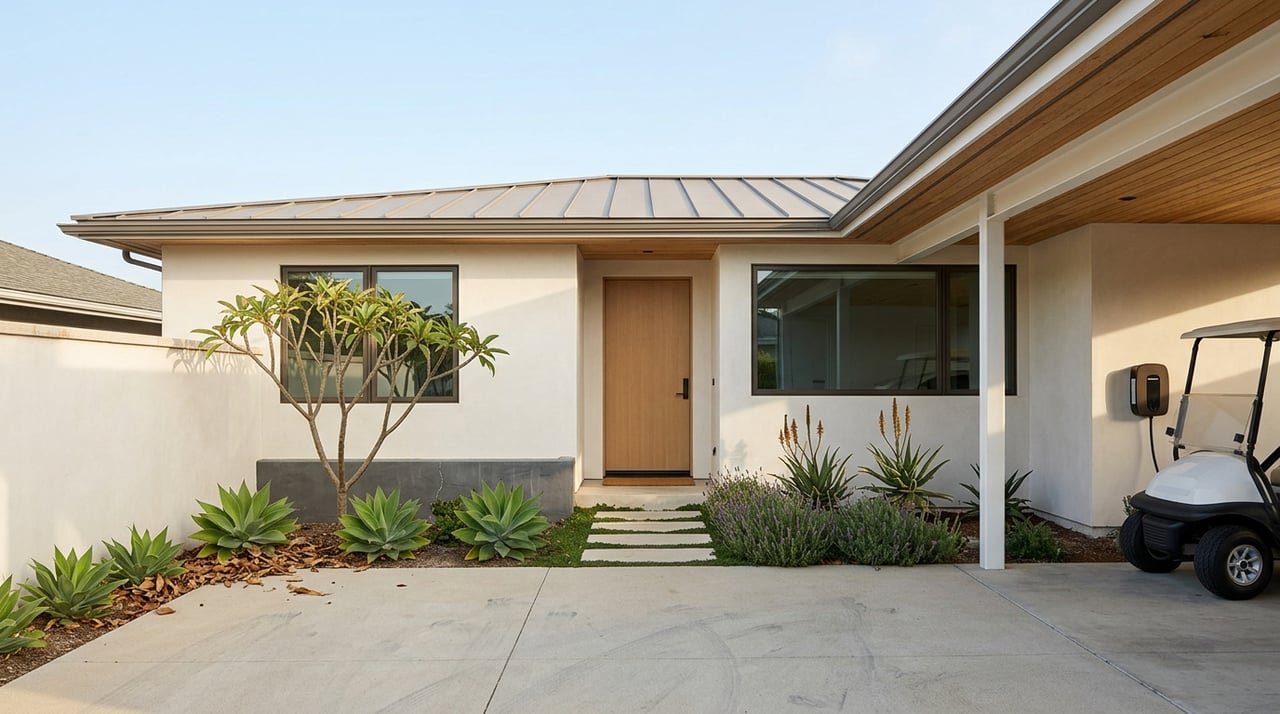
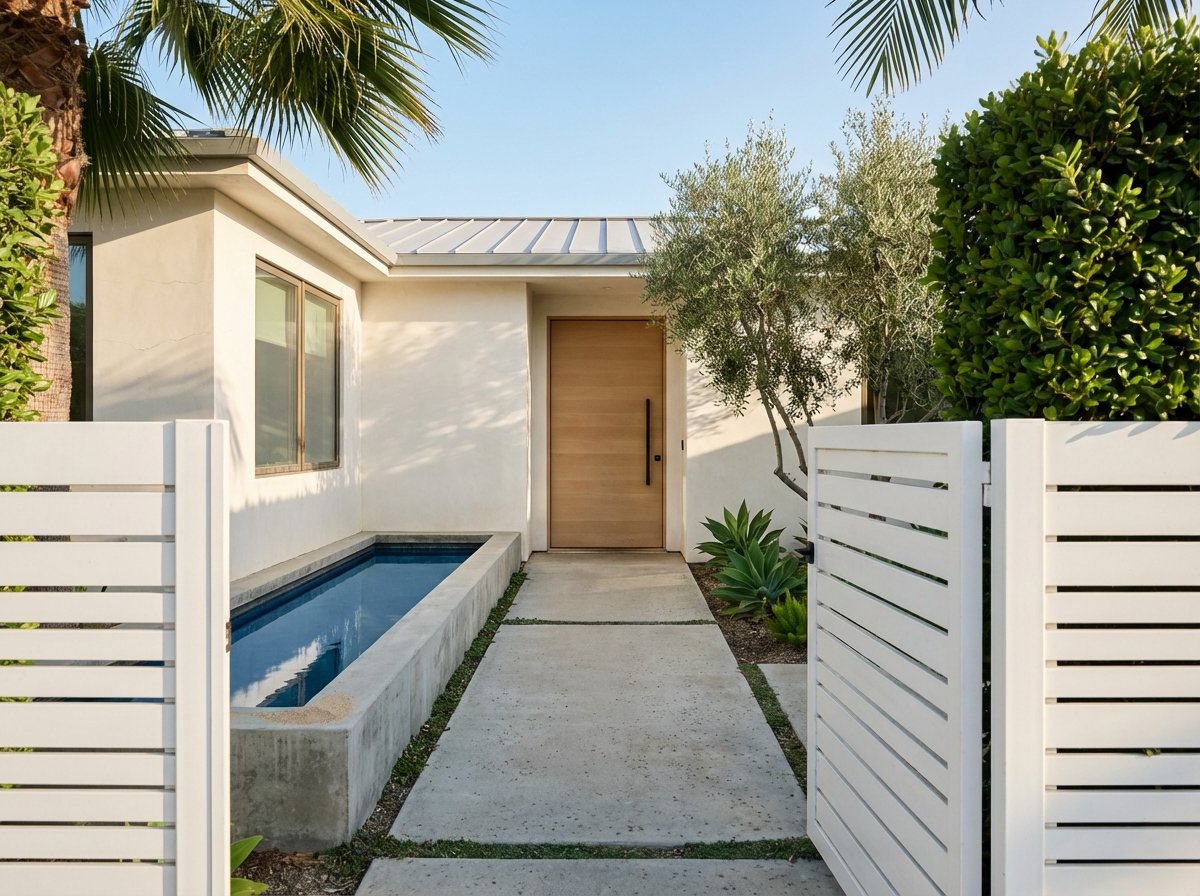
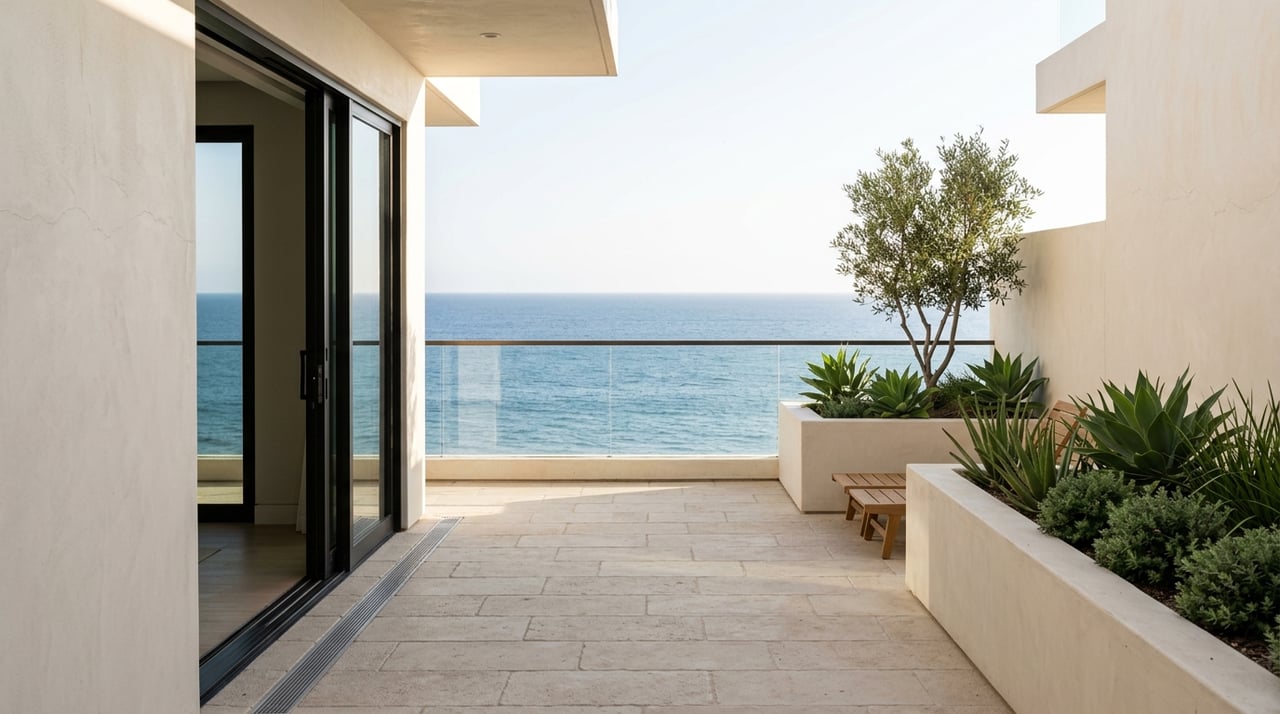
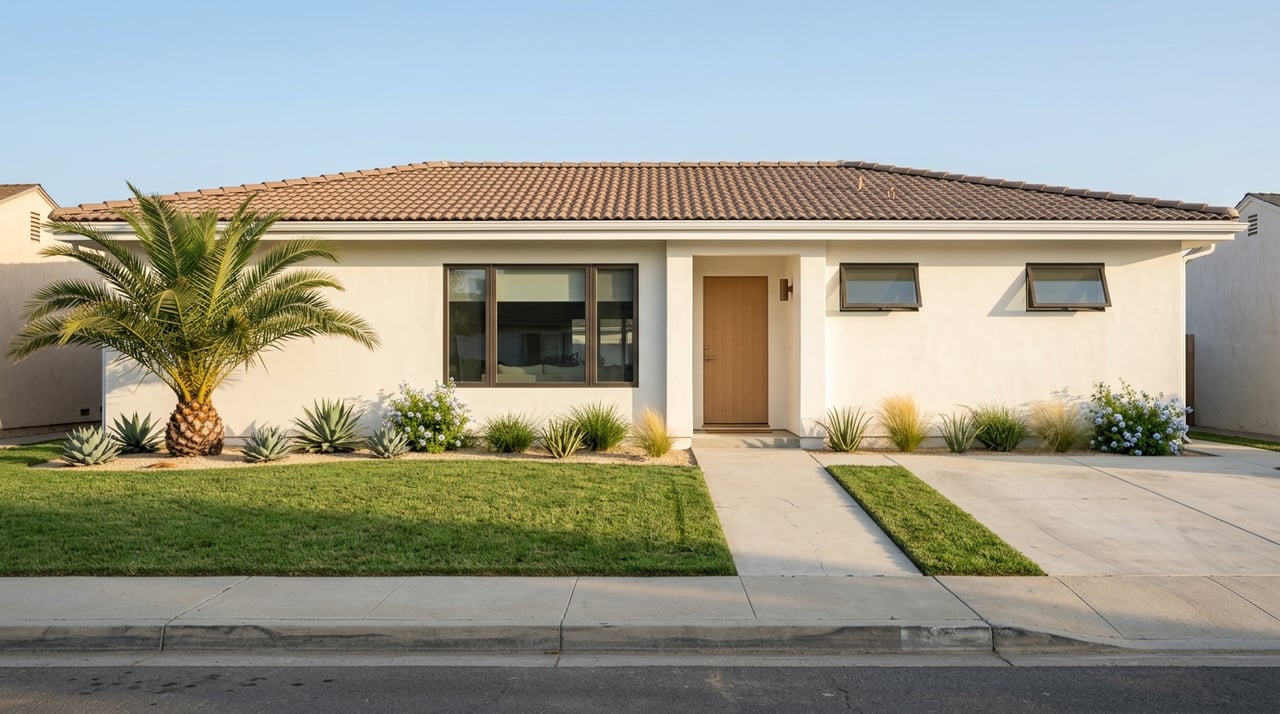
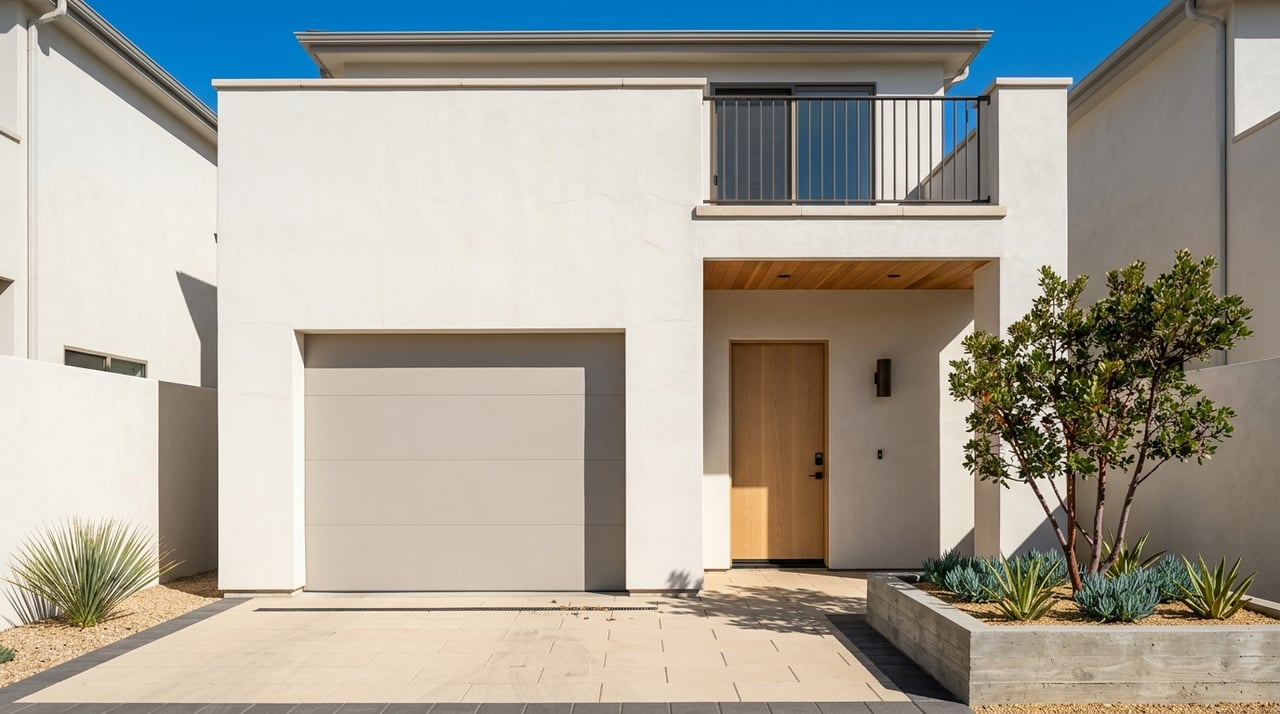
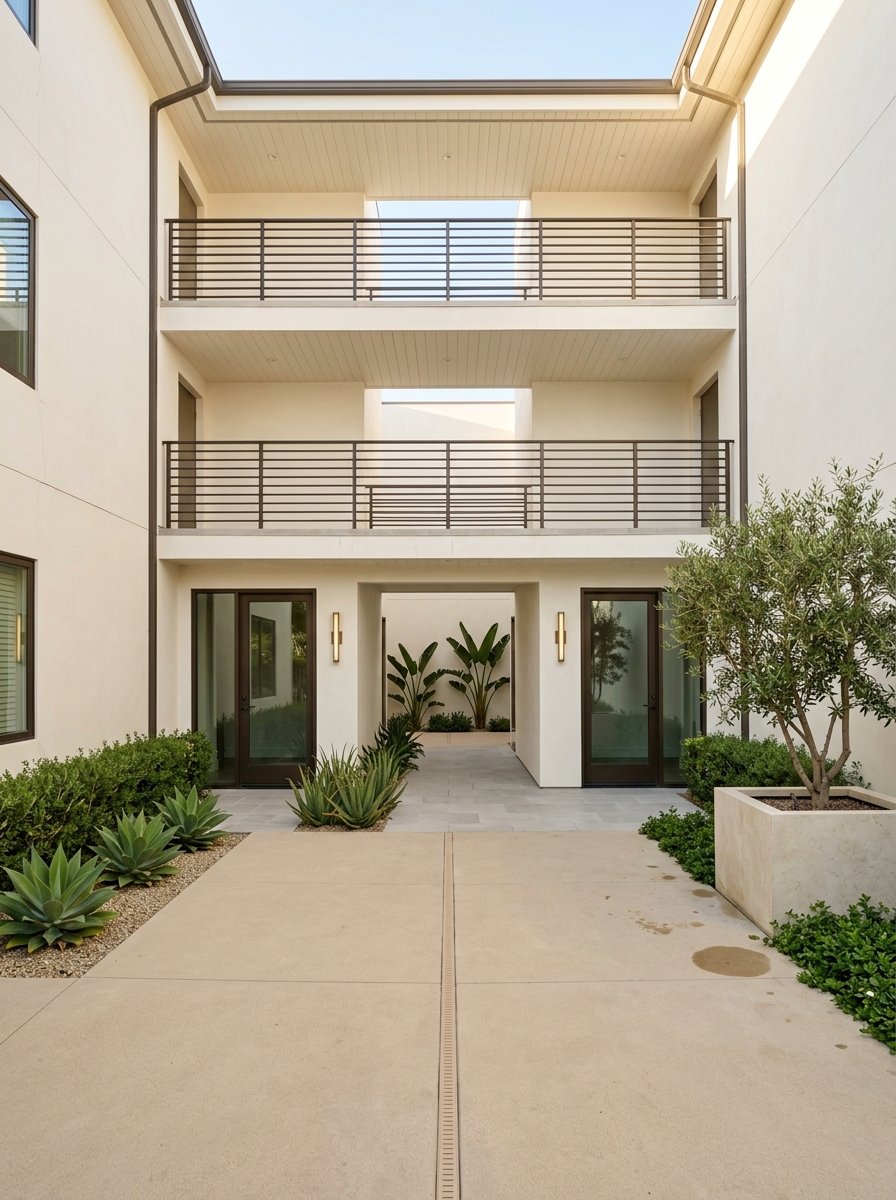
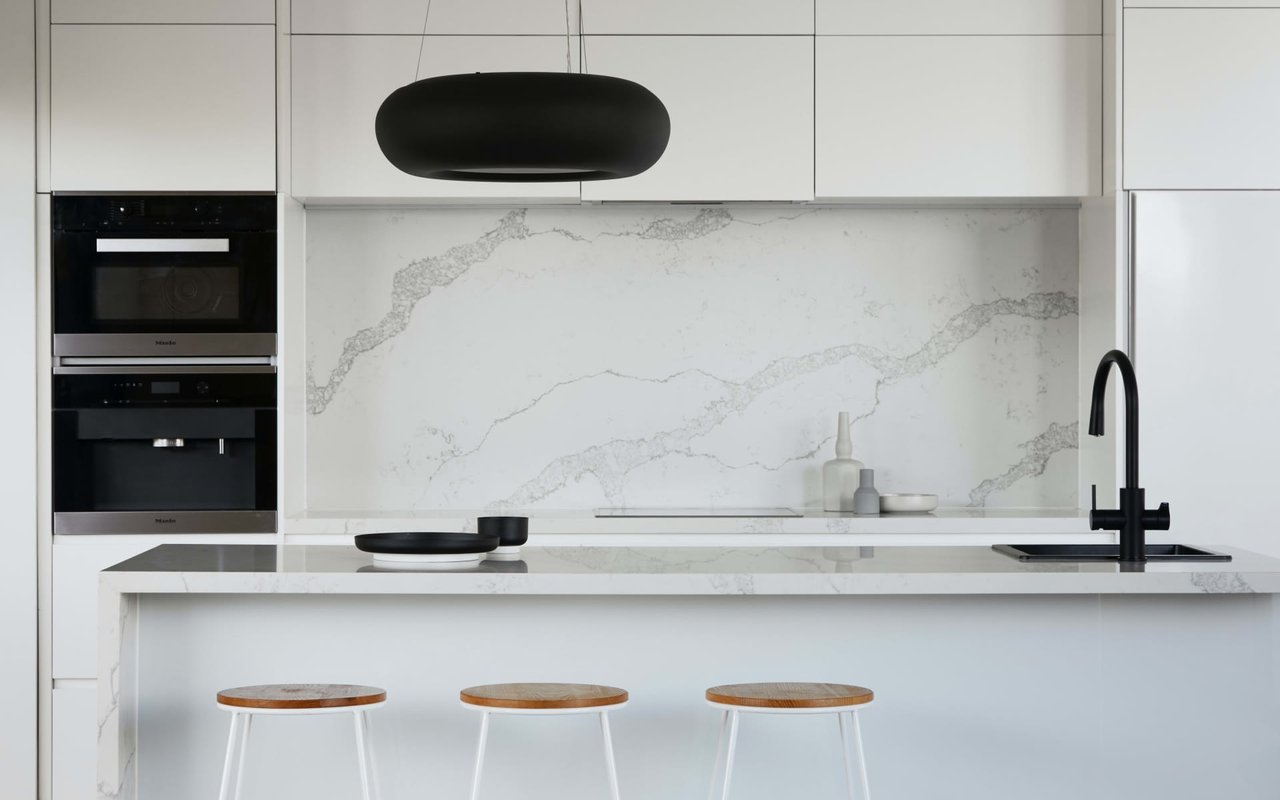
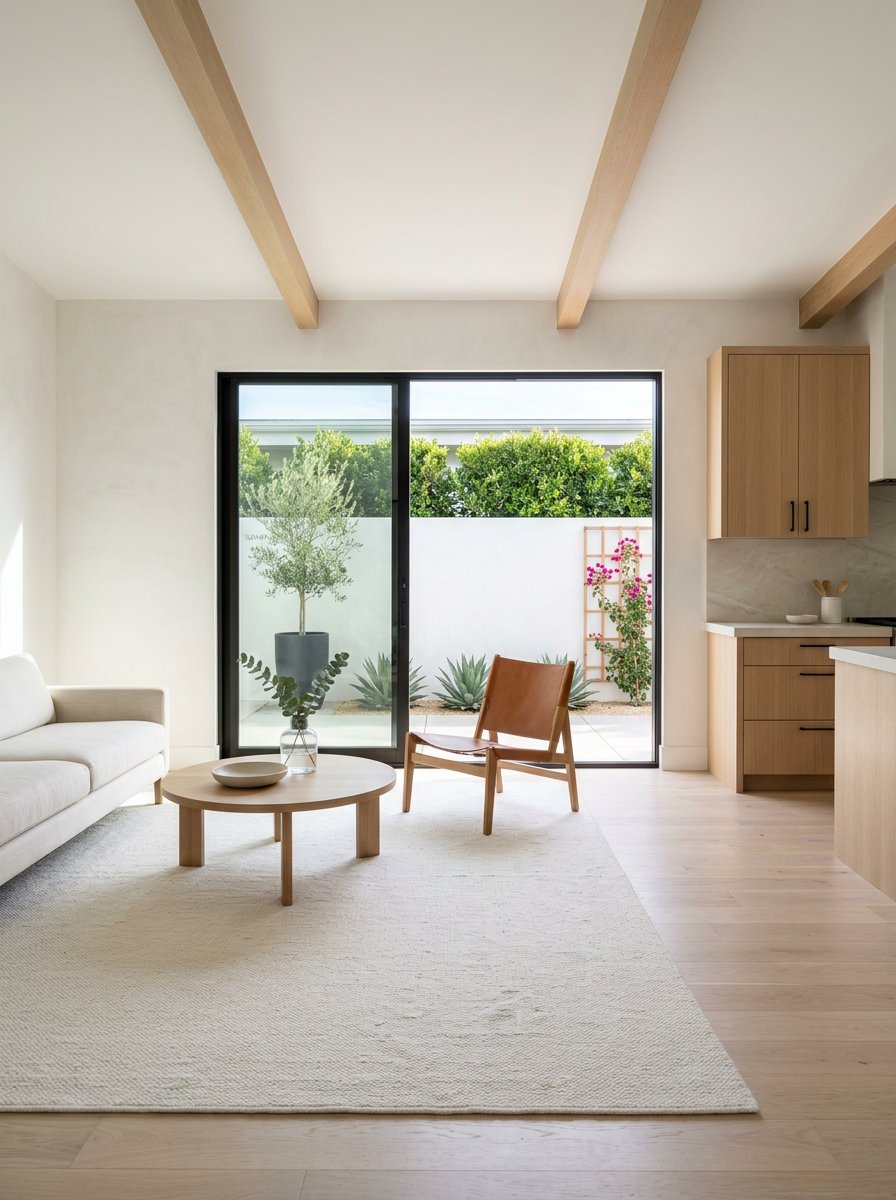
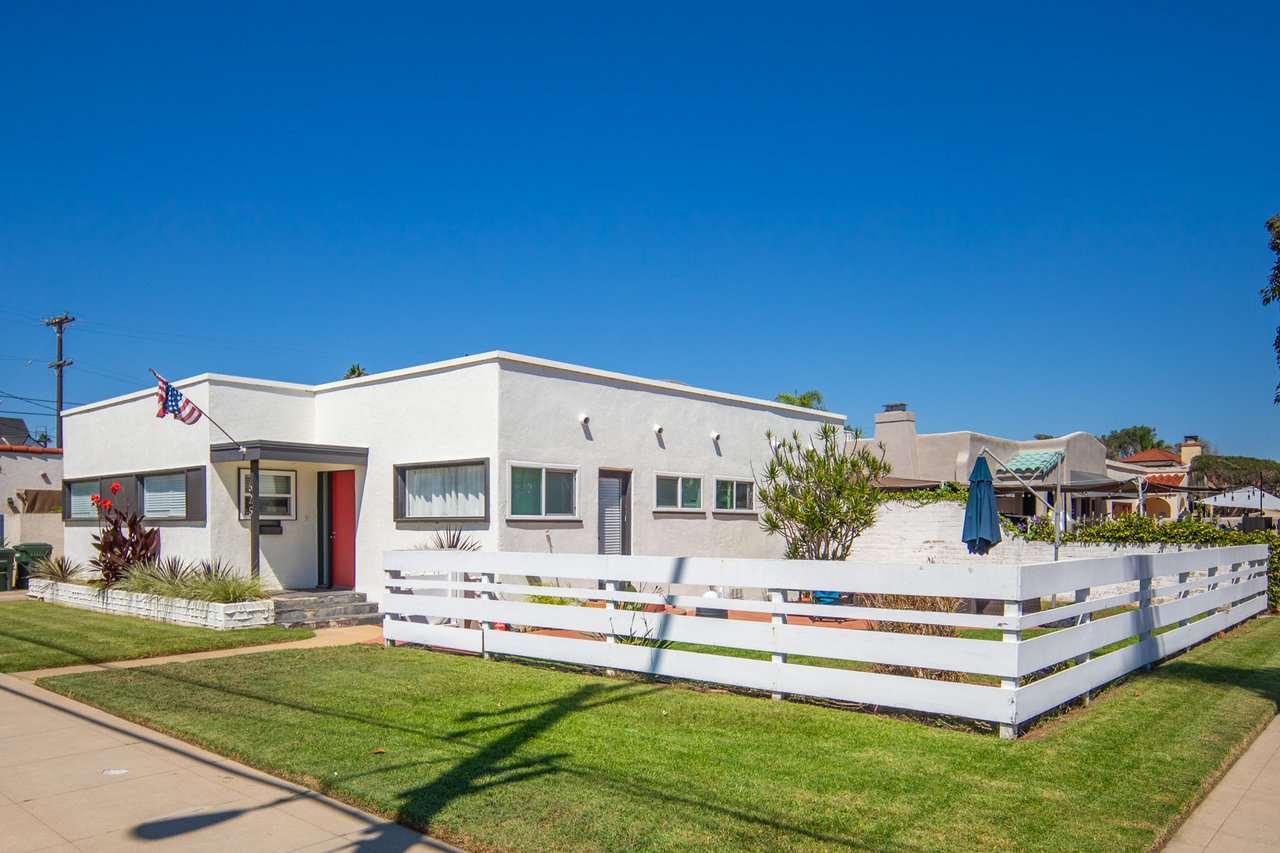
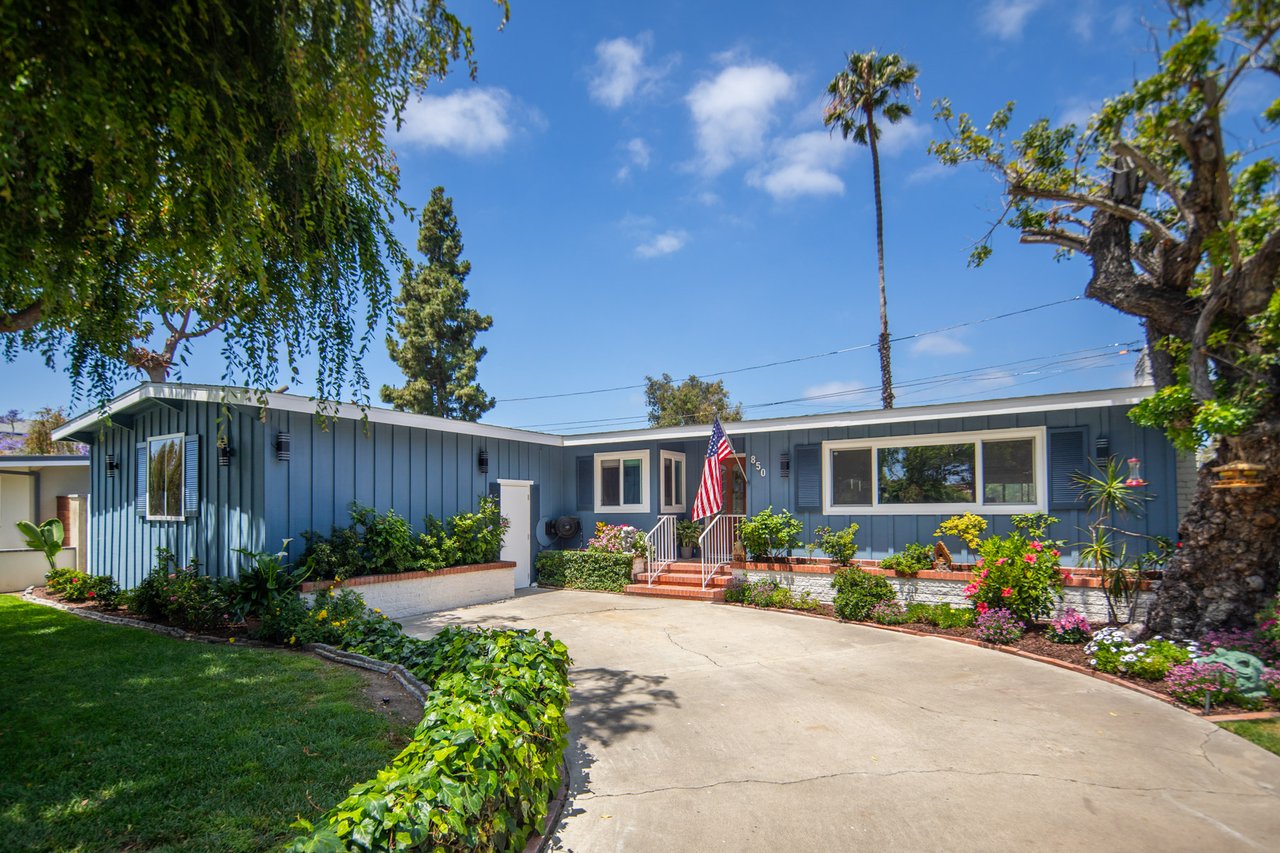
Not every luxury buyer in Coronado wants a period home. The city’s historic survey also includes International, Mid-Century Modern, Ranch, and later custom contemporary design, with features such as clean lines, low horizontal massing, flat or low-slope roofs, smooth wall surfaces, large window groupings, and post-and-beam construction. These homes often align with what many buyers casually call coastal contemporary.
Why modern homes attract today’s buyers
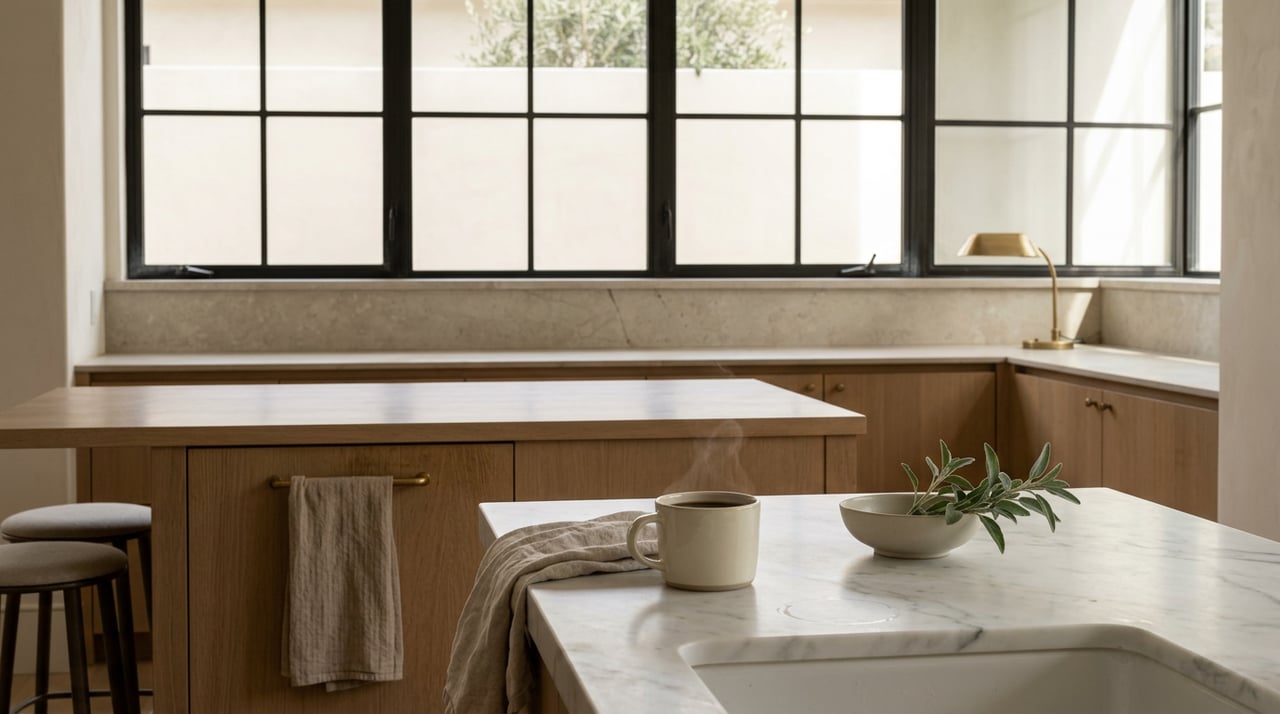
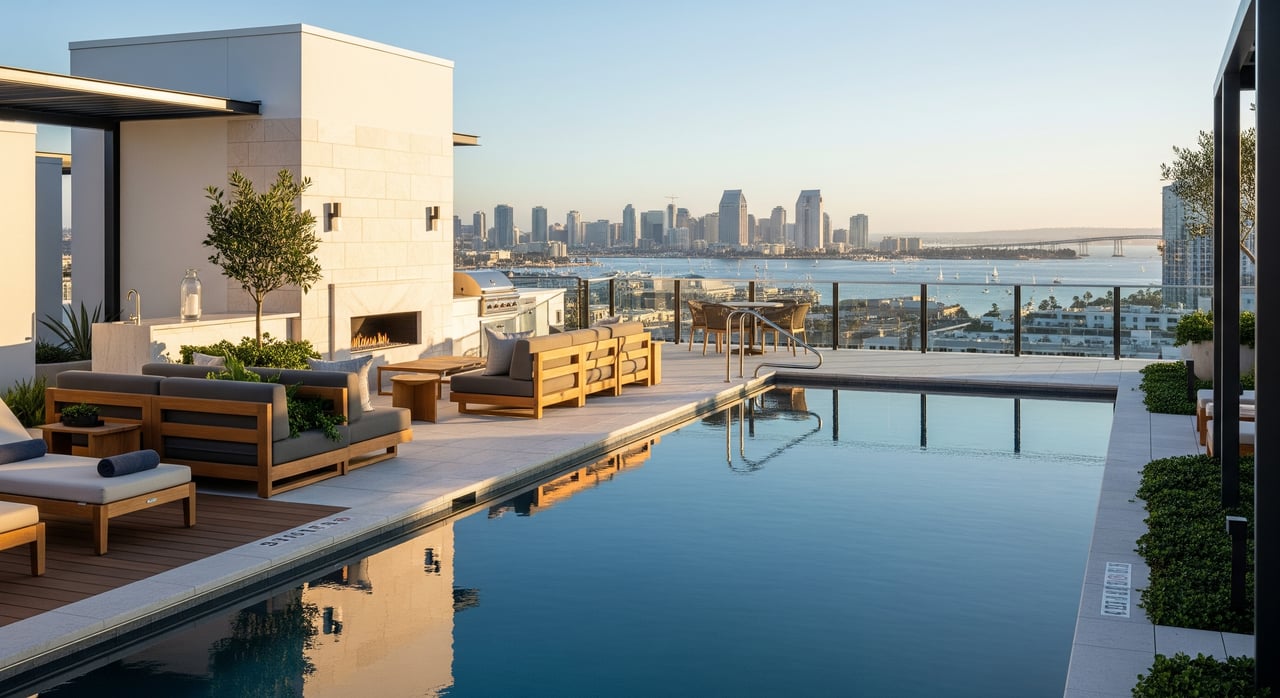
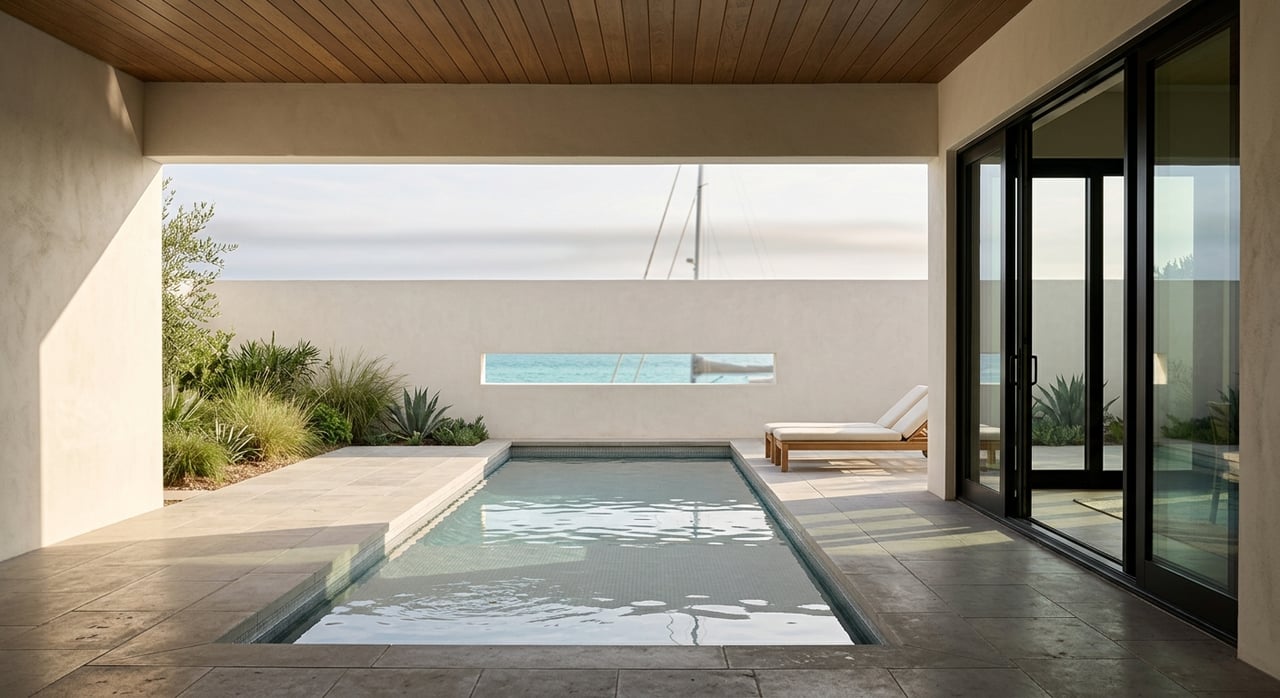
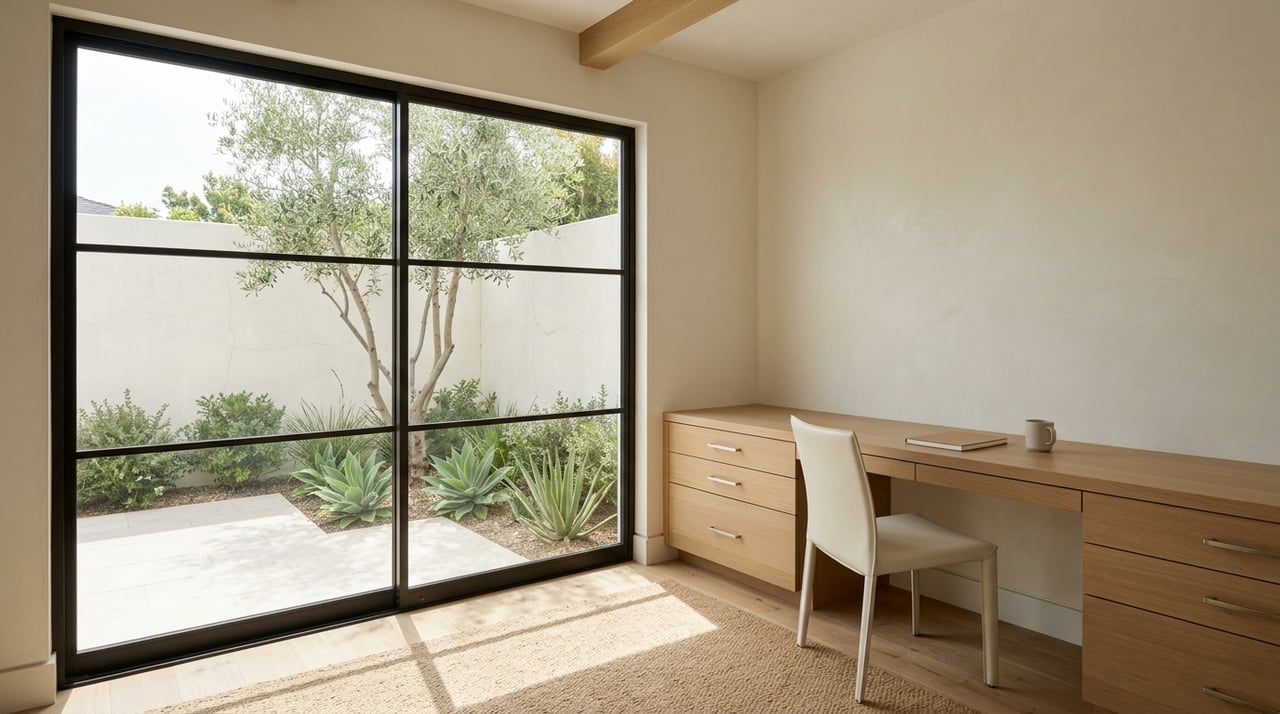
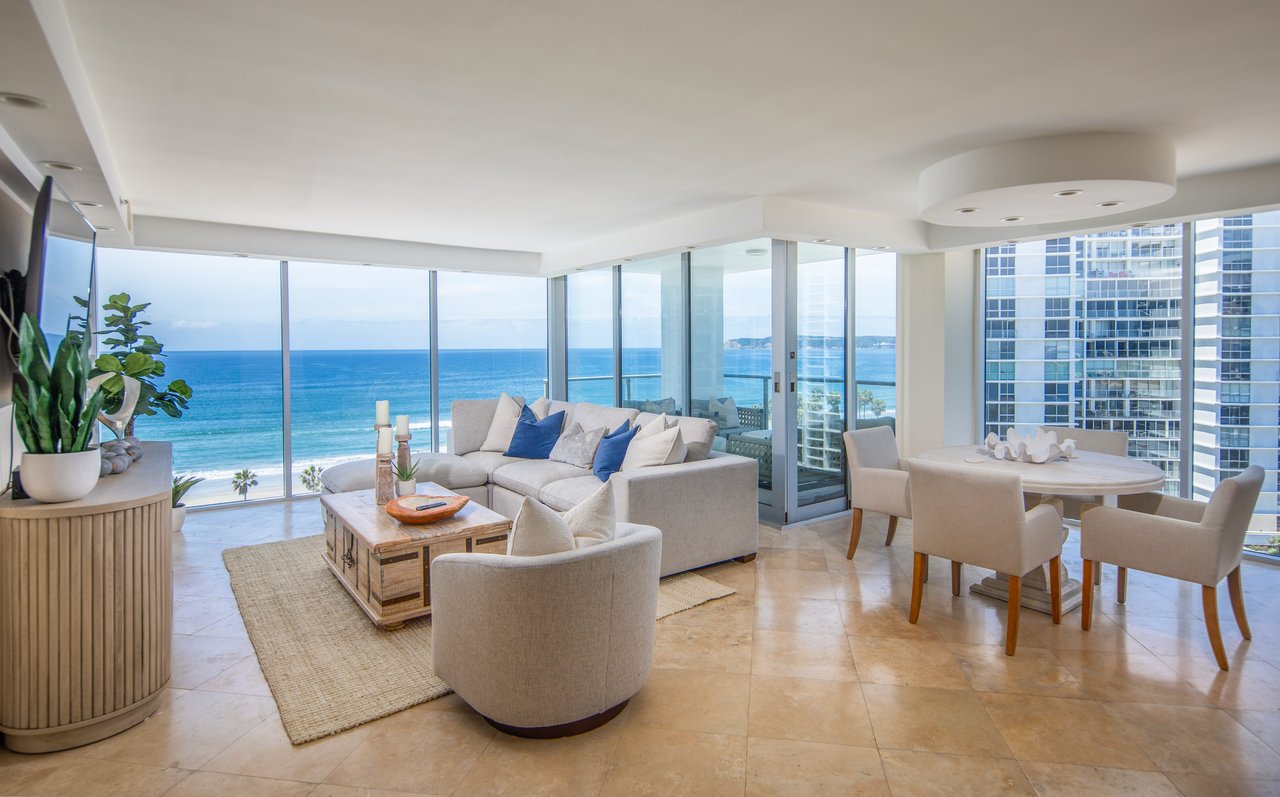
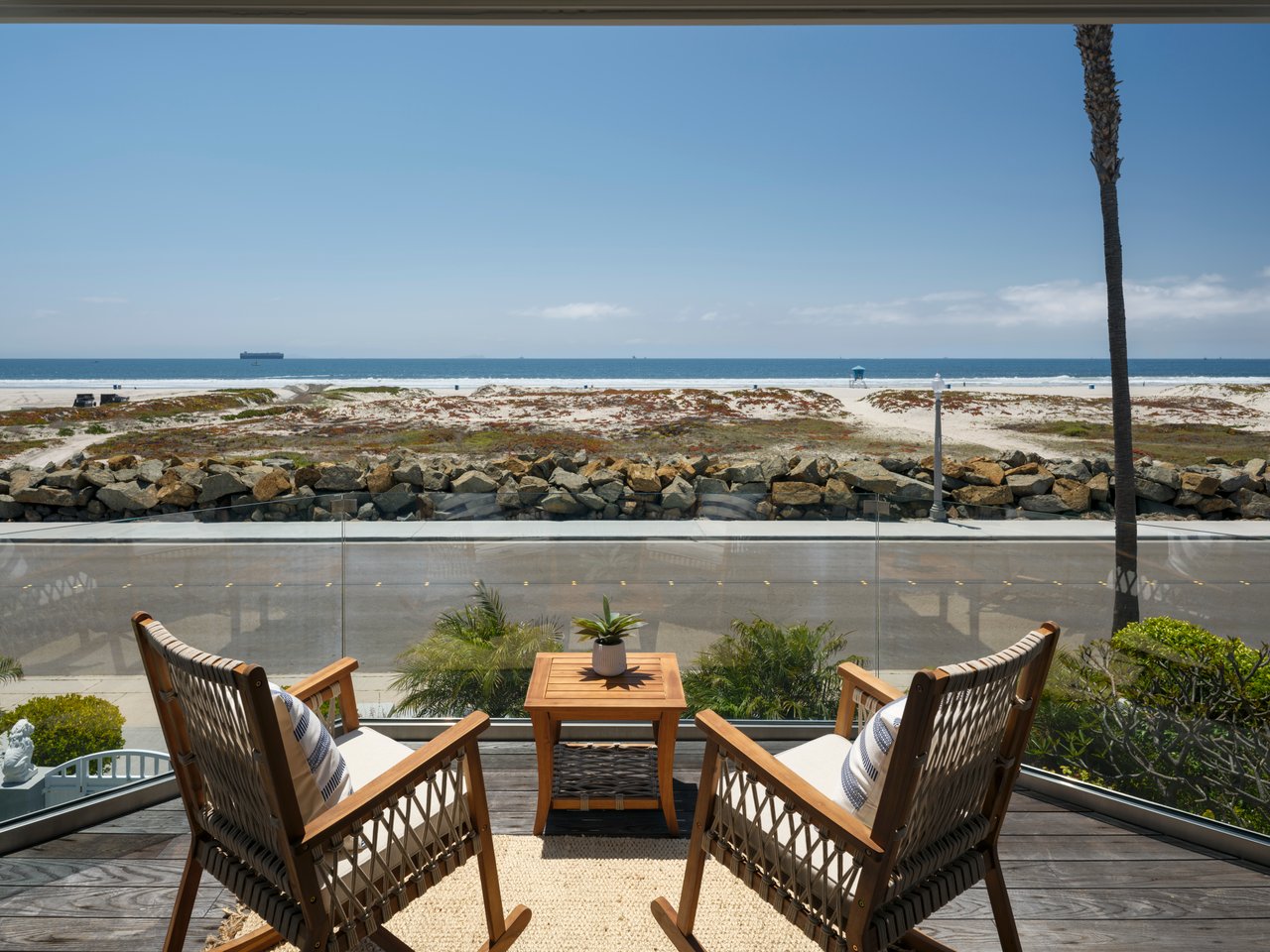
Modern and contemporary homes usually prioritize light, views, and easy indoor-outdoor flow. If you want open spaces, simplified detailing, and strong visual connection to the outdoors, this style may be the natural fit. In luxury property, that can also support a more turnkey feel, especially when systems and finishes have been updated.
Maintenance tends to shift away from ornamental trim and toward practical building-envelope issues such as roof waterproofing, glazing, and mechanical upgrades. For sellers, modern homes often benefit from clean presentation and strong visual marketing that highlights lines, volume, and natural light.
Architecture shapes lifestyle choices
In Coronado, style is often a lifestyle decision as much as a design preference. A Victorian or Craftsman home may support porch-oriented living and a strong connection to the streetscape. A Spanish or Mediterranean home may center around courtyards and sheltered entertaining spaces.
A modern or mid-century influenced property may lean more heavily into openness, views, and a seamless indoor-outdoor rhythm. None of these choices is universally better. The best fit depends on how you want to live in the home and what kind of ownership experience feels right for you.
What upkeep really looks like
Architectural style also affects maintenance planning. National Park Service guidance notes that stucco is susceptible to water damage and often requires skilled repair, clay tile roofs benefit from regular inspection and careful repair, historic wooden windows should be repaired and retained where possible, and wood porches are especially vulnerable to sun, rain, foot traffic, moisture, and neglect.
In practical Coronado terms, homes with more wood trim and porch work often need more active exterior care. Stucco-and-tile homes usually need disciplined attention to the building envelope and specialized repairs when issues arise. If you are buying, that means style should be part of your due diligence. If you are selling, it means well-documented care can strengthen buyer confidence.
Historic status and resale considerations
In Coronado, preservation rules can matter in a very real way. The city states that exterior modifications to a designated Historic Resource require a Historic Resource Alteration Permit. The city also notes that demolition or removal of original street-visible features on a structure that is more than 75 years old and not Tier 3 can trigger a Determination of Historic Significance Review.
For some owners, there may also be an opportunity to apply for a Mills Act agreement, which the city describes as a property-tax reduction contract for designated residential historic resources. Approval is not guaranteed, and non-historic additions are excluded from the tax benefit. Still, it is an important consideration if you are evaluating the long-term ownership picture of a historic property.
Why original character matters
The Secretary of the Interior’s Standards emphasize retaining a building’s existing form, features, and materials while minimizing replacement. In market terms, that supports a simple truth: the details buyers love are often the same details that preservation frameworks are designed to protect. Homes where the original architecture is still easy to read can have a stronger, clearer identity.
For sellers, that makes preparation especially important. Thoughtful presentation, careful documentation, and a clear story around the home’s architectural character can help distinguish a property in a competitive luxury market. For buyers, it reinforces the value of understanding not just what a home looks like, but what stewardship may involve.
How architecture influences marketing
Luxury homes in Coronado do not sell on square footage alone. A Spanish courtyard, a Craftsman porch, a Tudor roofline, or a mid-century wall of glass can shape how a home is perceived from the first photo to the final showing. Architecture creates the emotional frame for the listing.
That is why design-forward preparation can matter so much. When a home’s defining style is easy to see, buyers tend to connect with it more quickly. In a place like Coronado, where architectural variety is part of the market’s appeal, strong presentation can help translate character into value.
If you are considering a move in Coronado, it helps to work with a team that understands not just pricing and timing, but also how architecture, preservation, and presentation come together in this market. For tailored guidance on buying or selling a historic, legacy, or luxury home in 92118, The Clements Group can help you navigate the process with local insight and concierge-level service.
FAQs
What architectural styles are most common in Coronado luxury homes?
- The City of Coronado identifies Spanish Colonial Revival, Mediterranean Revival, Tudor Revival, and Craftsman as some of the most common styles in its historic survey, along with Victorian-era cottages and later modern homes.
What makes Spanish-style homes in Coronado so popular?
- Spanish Colonial Revival and Mediterranean Revival homes often feature stucco walls, red clay tile roofs, arches, courtyards, and balconies, which support indoor-outdoor living and a classic coastal resort feel.
What should buyers know about maintaining historic homes in Coronado?
- Maintenance often depends on materials, with wood porches and trim needing regular care, stucco requiring skilled repair when damaged, clay tile roofs needing inspection, and historic windows often benefiting from preservation rather than replacement.
What preservation rules affect older homes in Coronado?
- The City of Coronado states that designated Historic Resources require approval for exterior modifications, and some changes to street-visible features on structures more than 75 years old may trigger historic significance review.
What is the Mills Act for Coronado historic homes?
- The city describes the Mills Act as a property-tax reduction contract available to designated residential historic resources, though approval is not guaranteed and non-historic additions are excluded from the tax benefit.
How does architecture affect selling a Coronado luxury home?
- Architecture can shape buyer perception, lifestyle appeal, maintenance expectations, and marketing strategy, so homes with visible original character and thoughtful presentation often tell a stronger story in the market.