Ask a Coronado resident why e-bikes got banned from the boardwalk in January 2025, and most will tell you the same story: teenagers were flying down the Paseo at the Hotel del Coronado, tourists were getting clipped, and the city finally stepped in. It's a tidy story. It's also not what the city's own data actually shows.
When the Coronado Police Department's E-Bike Task Force presented its findings to the City Council on October 15, 2024, the numbers pointed somewhere else entirely. Since 2021 there has been an average of about 26 bike and e-bike collision incidents in the city, with about 11 of those being e-bike incidents per year. Adults and older adults were the cause of 78% of all bike and e-bike collisions, with adolescents accounting for 19% of all collisions but 48% of e-bike-specific ones. Kids show up more heavily when you isolate the e-bike numbers alone. But across the full data set, the age group the ordinance targets isn't the one causing most of the crashes.
That gap between the policy's headline and its evidence is worth understanding if you're one of the people who actually lives here and rides here, because it explains why the rule has felt, to a lot of islanders, like it solved a different problem than the one on the street.
Where You Actually Can't Ride Anymore
The ordinance itself is specific about geography, which is easy to lose track of if you've only seen it summarized secondhand. As of January 3, 2025, e-bikes and other motorized mobility devices, including electric scooters, skateboards, and hoverboards, are barred from:
- All city sidewalks, beaches, and parks
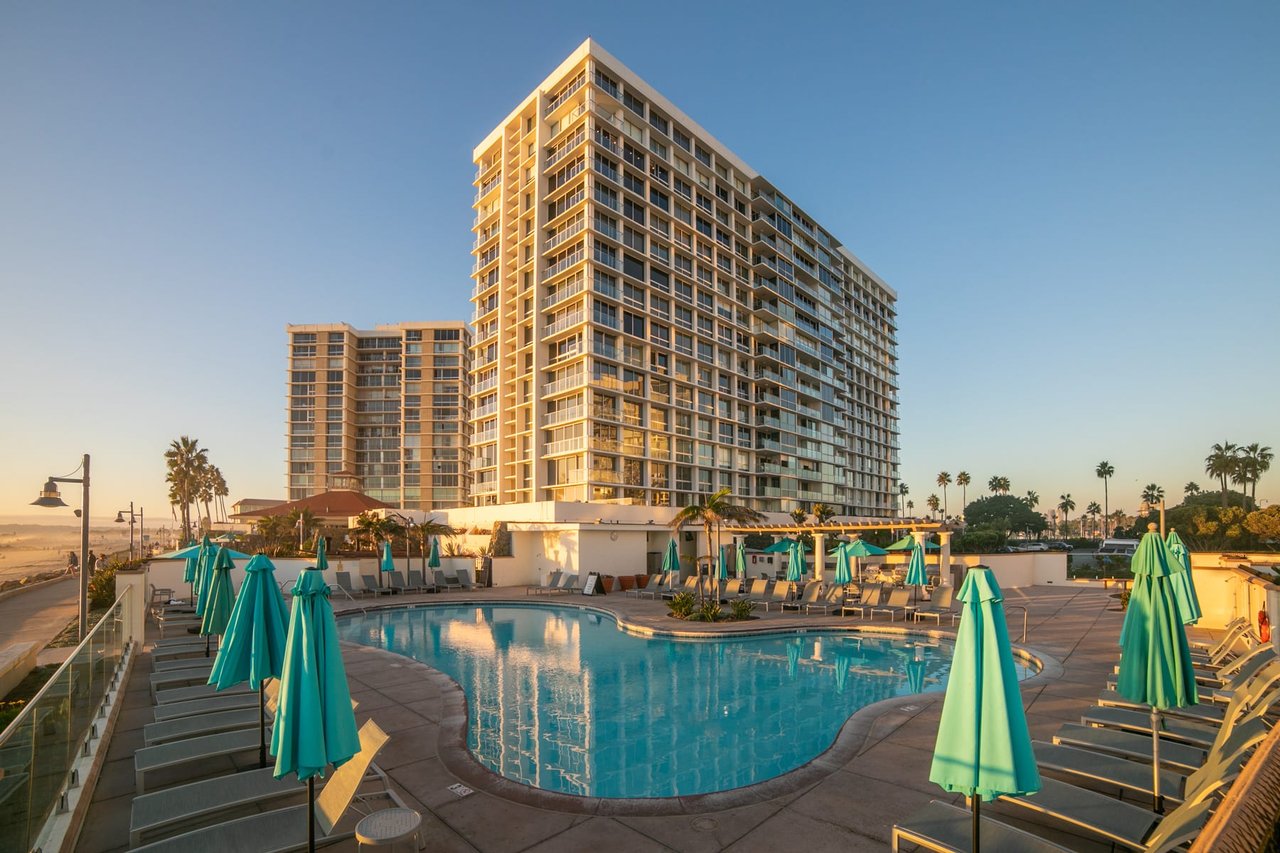
- The Paseo boardwalk near the Hotel del Coronado
- The Boardwalk near the Coronado Shores
- The Promenade between Glorietta Bay Park and the Bluewater Boathouse Seafood Grill
Riders are expected to dismount and walk their bikes through these stretches. ADA mobility devices are exempt. The rule also carries an age floor: children under 12 are prohibited from operating an e-bike in Coronado at all, with fines up to $25 possible after an initial 60-day warning period that ended in early March 2025.
That $25 figure is worth sitting with for a second, because it's smaller than you'd expect for the provision that generated the most public attention. Compare it to what the city already had on the books for general municipal code violations: $50 for a first-time violation, $100 for a second, and $250 for any additional violation within the same one-year period. In other words, an adult who rides an e-bike down the banned promenade risks a steeper, escalating fine under the existing zone-violation code than a family risks under the specific rule everyone talks about. The age restriction got the press coverage. The zone restriction carries the teeth.
The Detour Nobody Budgeted For
For residents who used the boardwalk as an actual route, not just a scenic stretch, the practical cost of the ban has been rerouting, and the rerouting isn't trivial. An opinion piece published in the Coronado News on April 1, 2026, marking a little over a year since the law took effect, put it plainly: "Detouring around the hotel is not simple, and the nearest bike lane is several blocks to the east." The same piece argued the current policy focuses on banning a type of bicycle rather than addressing the real issue: speed, and noted that keeping fast-moving bikes off busy sidewalks has likely improved safety, but many responsible riders bought e-bikes simply to make a short one to two mile ride to the boardwalk easier, and are no longer allowed to use that stretch even riding at the same pace as everyone else.
That's the friction that doesn't show up in a city press release: a rule written around vehicle type rather than behavior sweeps up the person commuting at 10 mph alongside the person who was actually the problem. If you bought an e-bike specifically because it's Coronado, flat, compact, and built for exactly this kind of riding, the boardwalk closure changes your daily route whether or not you were ever part of the risk the data describes.
The Enforcement Problem Nobody's Solved
Here's the other wrinkle the one-year-later coverage surfaced: telling a moving e-bike apart from a regular bicycle, from a distance, in real time, is genuinely hard for an officer to do. There has been no significant link to drug and alcohol usage with bike and e-bike accidents in town, with only 4% of accidents including them as factors, which rules out the easiest explanation for adult-caused collisions. The likelier culprit sits in a stat the city's own task force flagged: about 27% of all bike or e-bike accidents involved a rider not wearing a helmet when one was required by age or e-bike classification. That's a compliance gap that has nothing to do with which boardwalk segments are open, and everything to do with whether riders, of any age, are following rules that already existed before the 2025 ordinance.
The city has tried education alongside enforcement. Officers working the Police Department's "High Tide" program hand out pizza coupons for positive reinforcement when they see students riding safely, and the department runs periodic Bike Rodeos with Recreation & Golf Services and Coronado Unified School District. It's a softer approach than fines, and it targets the age group the ordinance is built around. Whether it moves the 78% adult-collision number is a separate question the city hasn't answered yet.
What's Actually Changing This Year
If the boardwalk ban itself hasn't closed the gap between policy and data, two things arriving in 2026 might do more of that work.
The first is regulatory. New for 2026, e-bike batteries must be safety-certified to be sold in California, and every e-bike needs a rear red light or reflector at all hours. That's a statewide equipment fix aimed at the fire and battery-failure risk that's been a growing concern nationally, not the boardwalk-speed problem specifically, but it tightens what counts as a legal e-bike in the first place. At the federal level, the Consumer Product Safety Commission opened a public comment period on a proposed battery safety rule that closes August 24, 2026, roughly two weeks from now.
The second is infrastructure, and it's the one that actually addresses the detour problem. SANDAG has kept building out the Bayshore Bikeway, the 24-mile loop that circles San Diego Bay and already runs through Coronado. The regional planning agency is continuing to expand the loop, with a few small sections not yet finished. When that work is done, there will be a fully protected bike loop around the bay. On the island itself, the Coronado stretch runs roughly 2.5 miles one-way, past Tidelands Park, ending at the Ferry Landing shopping center, and it isn't one of the segments covered by the 2025 ban. It's a legal, separated alternative for the north-south trips the boardwalk used to handle, even if it doesn't put you directly in front of the Hotel del Coronado the way the Paseo does.
For anyone weighing how island life actually works day to day, that's the more durable fix. Ordinances can be revisited by a future council. A finished, protected bike path around the bay changes the default route for good.
What This Means If You Ride Here Now
If you're already living on the island and riding regularly, the practical rules haven't shifted since early 2025: stay off the Paseo, the Coronado Shores boardwalk, and the Glorietta Bay promenade near the Bluewater Boathouse, keep kids under 12 off e-bikes entirely, and wear a helmet if you're under 18 or on a Class 3 bike regardless of age. What's shifted is the reasoning worth carrying into how you plan your ride. The data says the risk on Coronado's streets skews toward adults and toward helmet noncompliance, not toward the age group the loudest part of the ordinance addresses. Planning your route around the finished sections of the Bayshore Bikeway, rather than assuming the old boardwalk shortcut still applies, is the more reliable way to avoid both a $25 fine and the far steeper zone-violation penalty sitting quietly behind it.
None of this is the kind of thing that shows up on a listing sheet, but it's exactly the kind of daily-life detail that shapes whether a neighborhood feels as easy to live in as it looks from the outside. If you're weighing what island life actually involves, from the Coronado neighborhood itself to how residents actually get around it day to day, the team at The Clements Group has spent three decades tracking these details, not just the market ones. Schedule a private consultation whenever you're ready to talk through what living here actually looks like.