Five days of red carpets, 100-plus films, and a Closing Night reception in the Hotel del Coronado's Ocean Ballroom. That part of the Coronado Island Film Festival is familiar. What has changed since the last badges were collected in November 2025 is the room where most of the screenings happen. Residents planning around CIFF week this year should start there.
What actually changed since last November
The Village Theater at 820 Orange Avenue reopened on July 1, 2026 under UltraStar Cinemas, with Julie Bravo as the operator on the ground. In an interview about the reopening, Bravo said UltraStar is continuing to partner with the Coronado Island Film Festival, and she flagged that the company is reviewing current technology and evaluating upgrades, though the theater is not currently set up for reserved seating.
For a festival that runs its studio features and closing-night screening out of that single house, the practical difference is real. Same address, same seats, different operator running the concessions, projection review, and door. CIFF's 2026 calendar lists Village Theater as its home address, so anyone who saw a film there last year is walking back into a room that is now under active daily programming again rather than a venue that opened up mainly for festival weeks.
The other thing that changed is the framing. The 2026 edition is the festival's 11th year, and organizers have described the theme as "Where the Art and Science of Cinema Converge," carrying forward Coronado's longstanding connection to film. After a 10th-anniversary season that leaned nostalgic, 2026 is being positioned as a reset.
Where the five days actually happen
CIFF has never been a one-venue festival, and understanding the map is how residents avoid guessing where the crowd will be on any given afternoon.
- Village Theater, 820 Orange Avenue. Studio features, premieres, and the Closing Night feature screening. The main house.
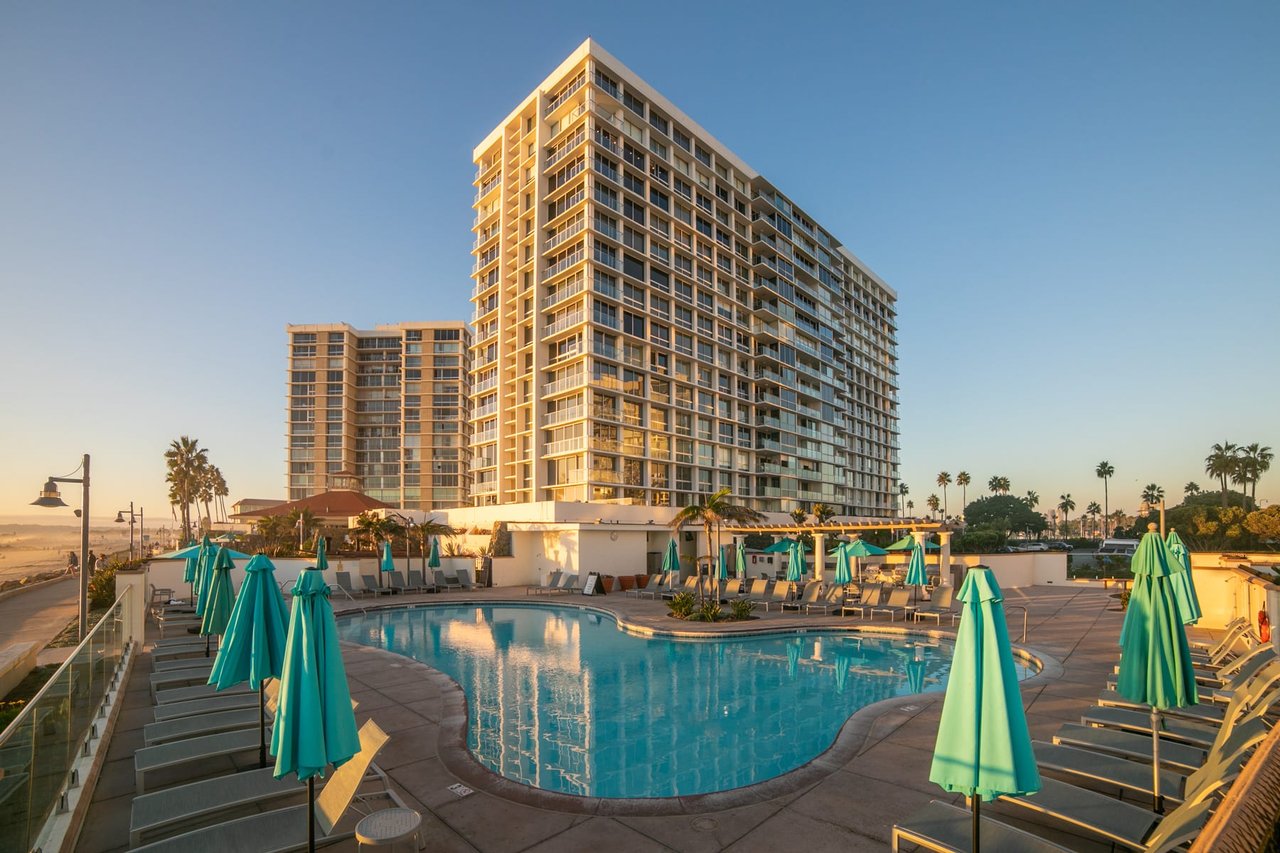
- Hotel del Coronado. Presenting sponsor and anchor for signature evenings. The Ocean Ballroom hosts the Closing Night reception before the crowd walks over to Village Theater for the final film.
- John D. Spreckels Center. Home of "Scenes & Sips," the progressive evening event that moves guests through stations tied to Coronado's cinematic history.
- Coronado Public Library, Winn Room. Panels and smaller programs, with programming there historically underwritten by The Auen Foundation.
The distribution matters because Orange Avenue between 8th and Ocean is where the festival crowds concentrate at night, while the Del handles the biggest galas and the Spreckels Center picks up the smaller ticketed experiences. If you live on H Avenue and want a quiet Thursday, the Winn Room programs are the least disruptive to walk past.
The nights when Orange Avenue is not itself
Five nights, five different tempos. The pattern from prior years is that opening night and the Leonard Maltin Industry Tribute Awards Gala are the two moments when parking along Orange gets tight and the sidewalks near 820 read more like a premiere than a Wednesday. CIFF confirms that access to the Leonard Maltin Industry Tribute Awards Gala is included only with the Marquee Badge or through a separately purchased Gala ticket, which is one way to read which nights the paid crowd will be heaviest.
The Del handles the Closing Night reception. That means the traffic pattern on Sunday, November 8 splits: a Del-facing flow in the early evening, then a walk or short drive up Orange to the Village Theater for the final screening. Residents on Ocean Boulevard have seen this pattern before, but the compressed window between reception and screening is what makes the block around 8th and Orange briefly dense.
Panels and workshops during the day are quieter. CIFF has described its industry panels as featuring leaders from Variety, Deadline, and MovieMaker Magazine, and those tend to draw the smaller, badge-holding cinephile audience rather than the gala crowd.
What last year's slate tells you about this year's tickets
Here is the number worth setting against the baseline. During its 2025 event, CIFF screened 27 San Diego premieres across features, documentaries, animation, and shorts, and several films shown at the festival later received Academy Award nominations, including Sentimental Value, The Secret Agent, Train Dreams, Arco, and Blue Moon, along with short films The Singers, Retirement Plan, and Forevergreen.
Read that as a signal about how the programming team is sourcing. When a five-day festival in a town of roughly 24,000 residents puts up a slate that then feeds the Academy shortlist, the studios paying attention will send stronger material the following year. For a resident, that translates into practical scarcity: the strongest screenings tend to sell through badges first.
CIFF has been explicit that a limited number of individual tickets may be available for select screenings and events subject to capacity, but badges offer the best overall value. Translation: waiting to walk up on a Saturday night and see whichever premiere sounds interesting is the least reliable strategy.
A resident's read on badges versus single tickets
Two badge tiers matter for most residents. The Marquee Badge is the tier that includes the Gala. The Emerald Badge is the flexible option, described by CIFF as designed for festival-goers who want flexible access to films, panels, and special events, offering access to a curated selection of screenings and select panels with reservation, and an early reservation window before general ticket buyers.
The mechanic worth understanding is that the badge is not a walk-up pass. CIFF states clearly that the badge gives you an early window to book, but you still need to select the specific films and events you want to attend. Meaning: the residents who complain that "the good screenings were full" are usually the ones who bought the badge and did not go back in to reserve seats when the reservation window opened.
Two other planning notes from the fine print. CIFF has a strict no-refund policy including acts of God, nature, and communicable viruses, though transfers are allowed with box office approval and all service charges are non-refundable. And the Village Theater is not currently set up for reserved seating under UltraStar, so festival screenings there will still run on the show-up-early logic that regulars already know.
The rest of the week if you are not going to the festival
Orange Avenue does not close. The shops and restaurants stay open, and there are afternoons during CIFF week when the town feels quieter than a normal fall weekend because visitors are indoors watching films. If you want to eat at a Village restaurant midweek during the festival, the lunches after morning panels and the dinners before the 7 p.m. screenings are the pressure windows. Anything between 2 and 5 p.m. tends to open up. Anything after 9:30 p.m. depends on which night the Gala is running.
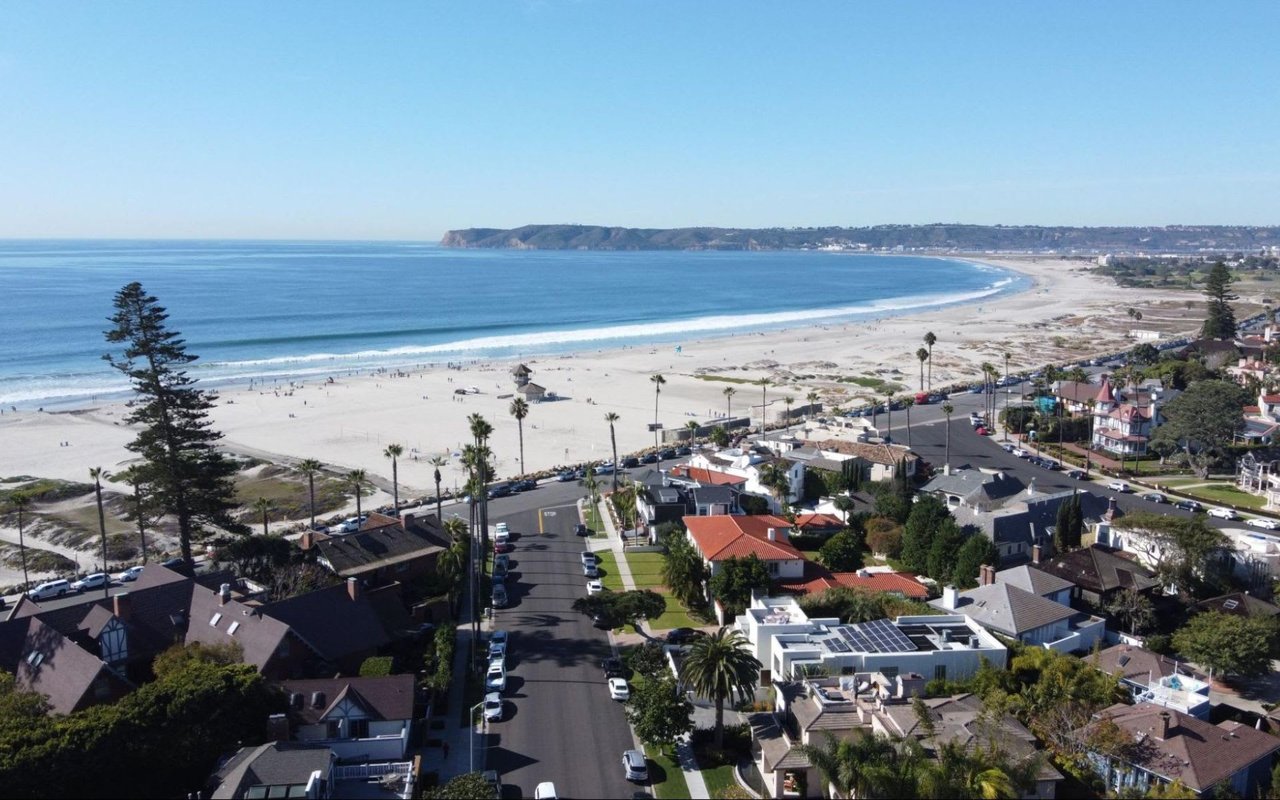
For anyone with out-of-town family visiting that week, the walkable footprint is the pitch. The Del, the Village Theater, and the Spreckels Center sit within a fifteen-minute stroll of each other, and the festival is thoughtfully curated, highly walkable, and artist-focused. That is a real description of the geography rather than marketing language: you can leave a house on Adella, walk to a documentary at Village Theater, cross to a panel at the Winn Room, and finish at the Del without moving a car.
Badges for the 2026 festival went on sale in March, and the current information is at coronadofilm.com. Single-event ticket availability, when it exists, tends to appear closer to the dates.
If you are weighing a move within Coronado this fall, or evaluating how the Village's cultural calendar shapes daily life on a specific block, the team at The Clements Group is available to schedule a private consultation and walk through the neighborhood one street at a time.