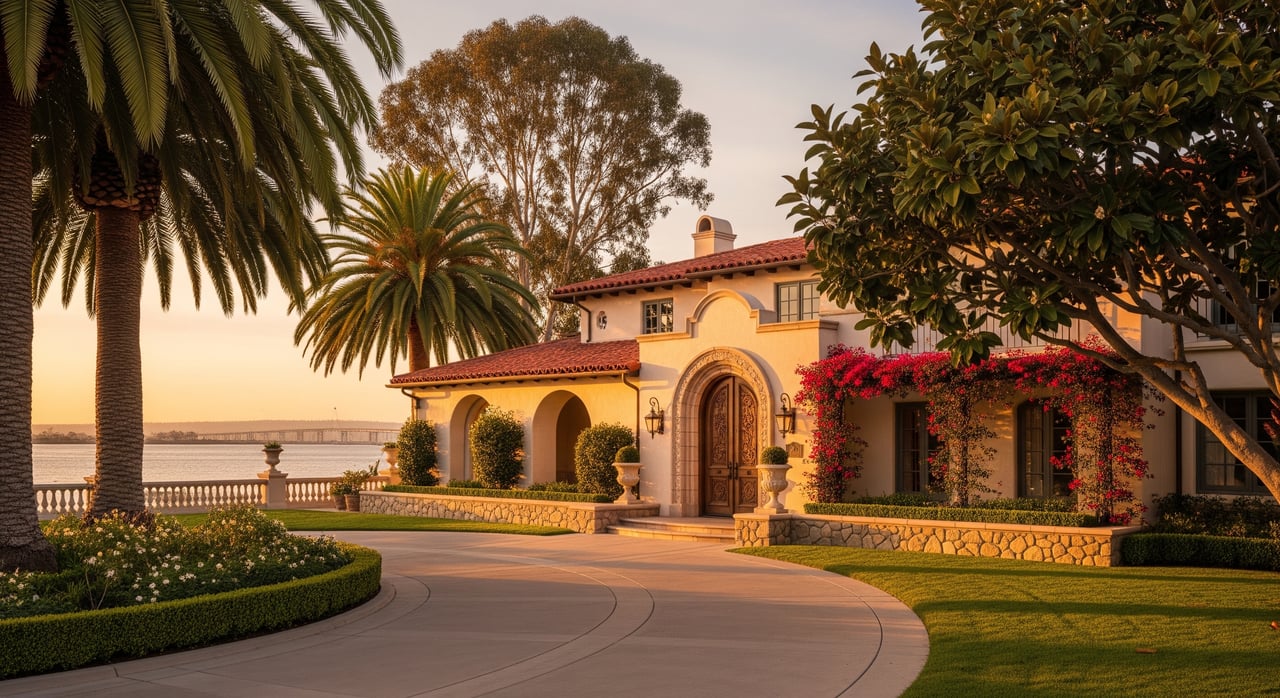
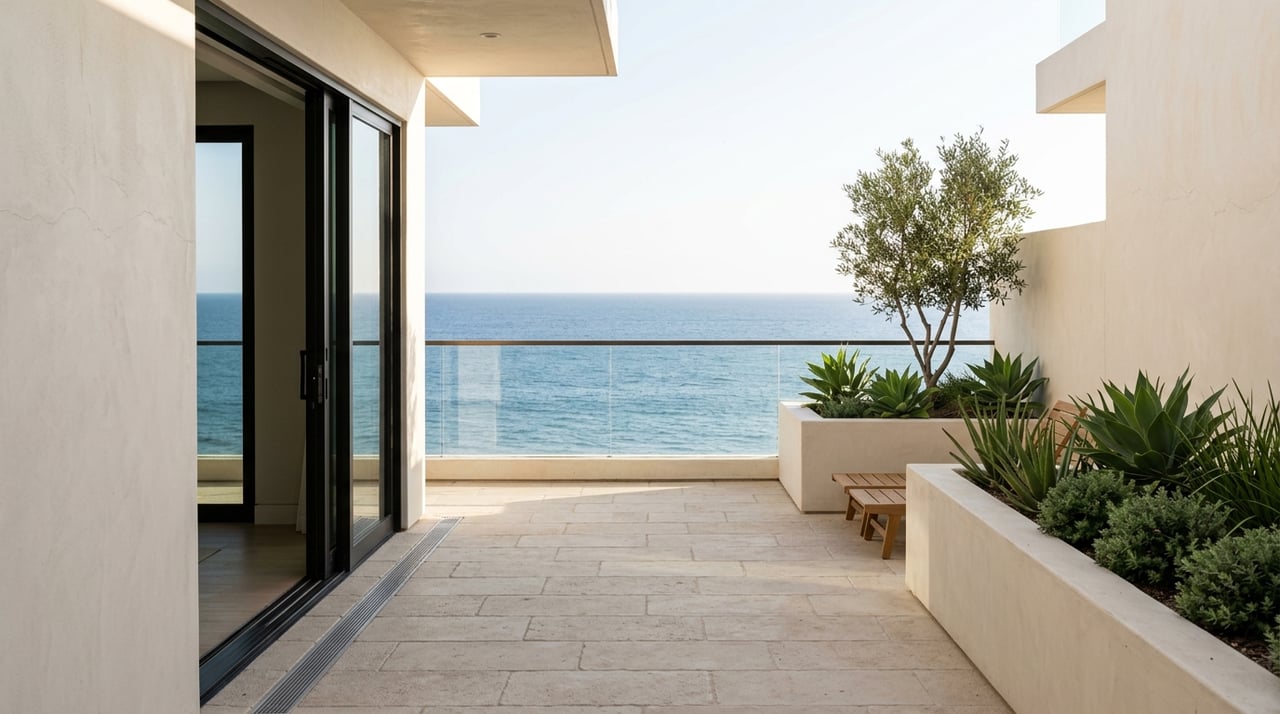
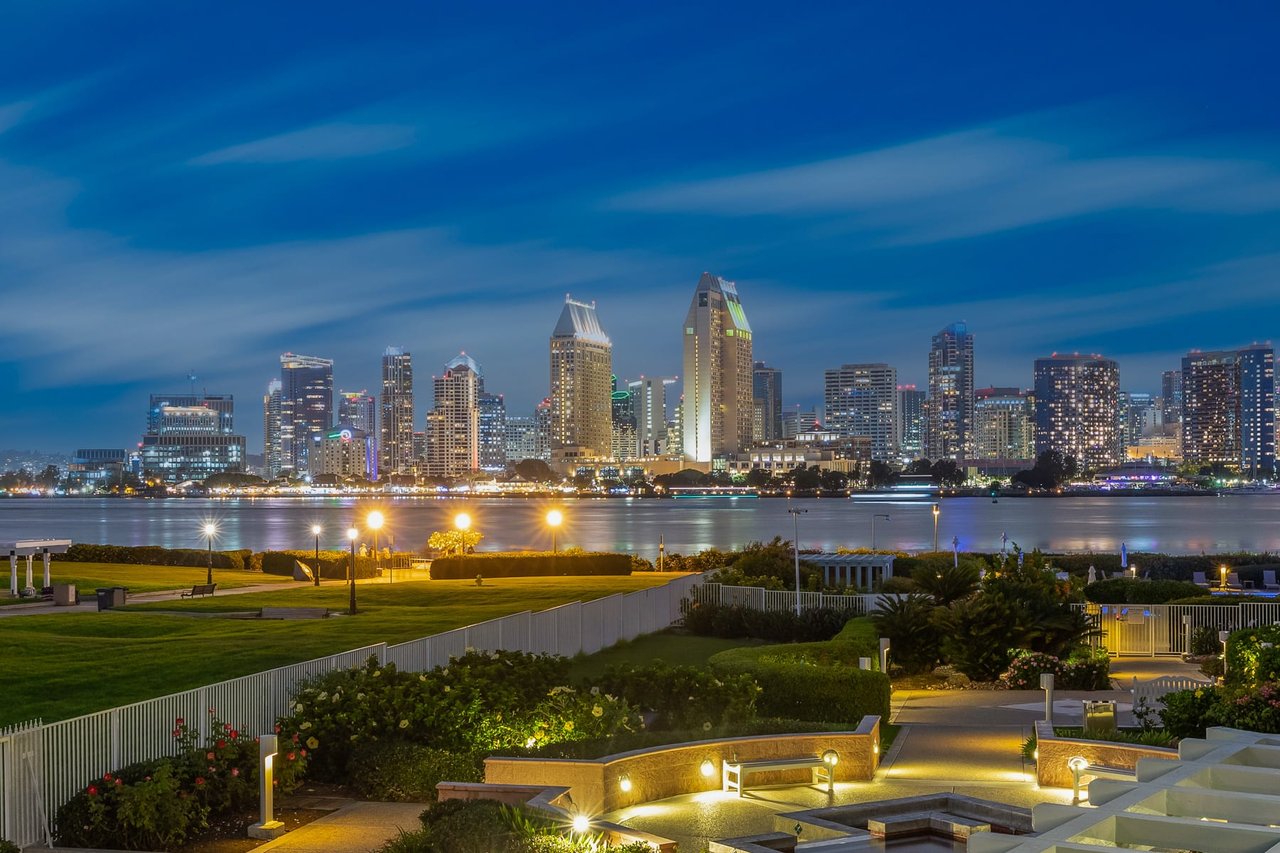
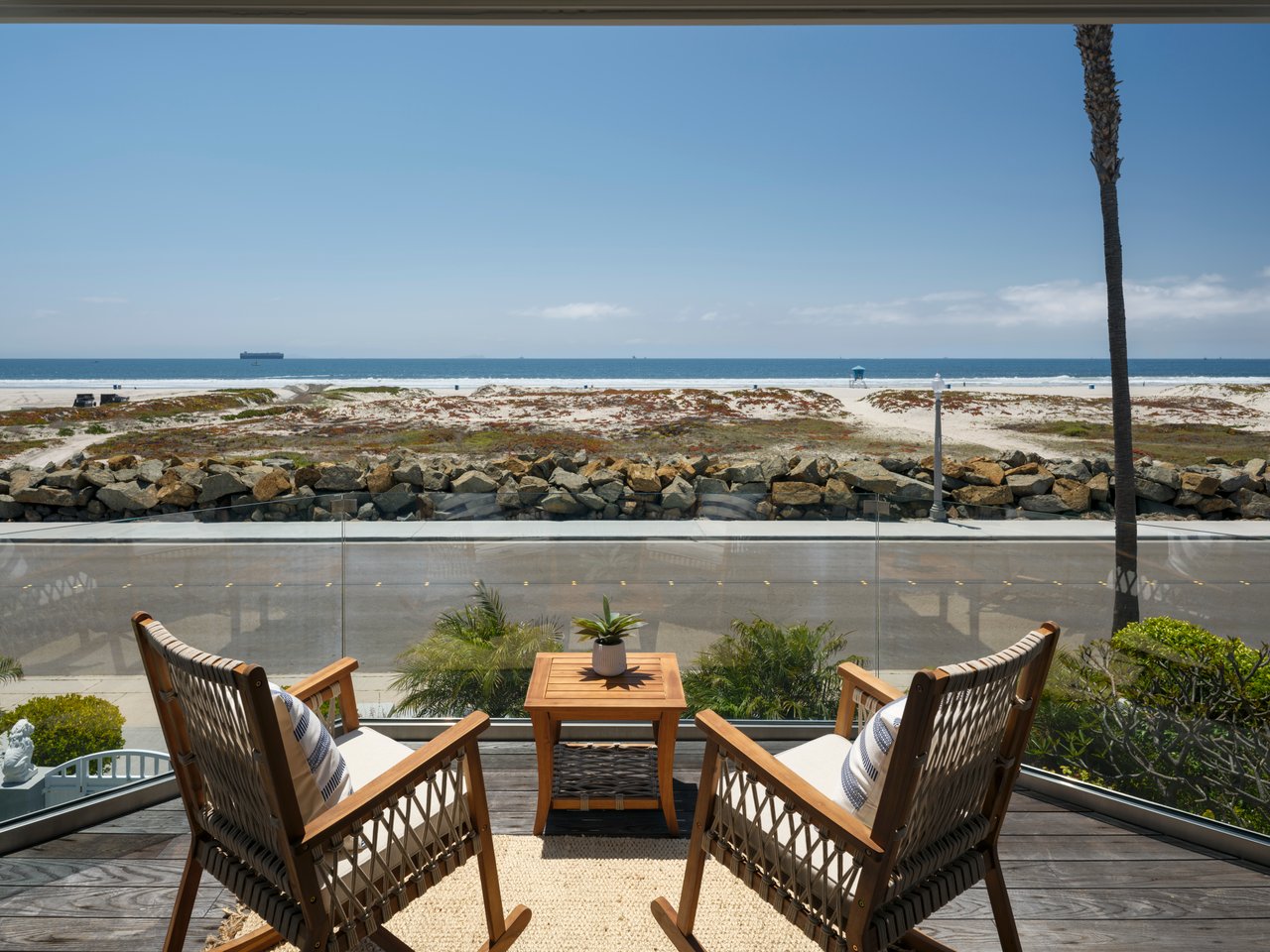
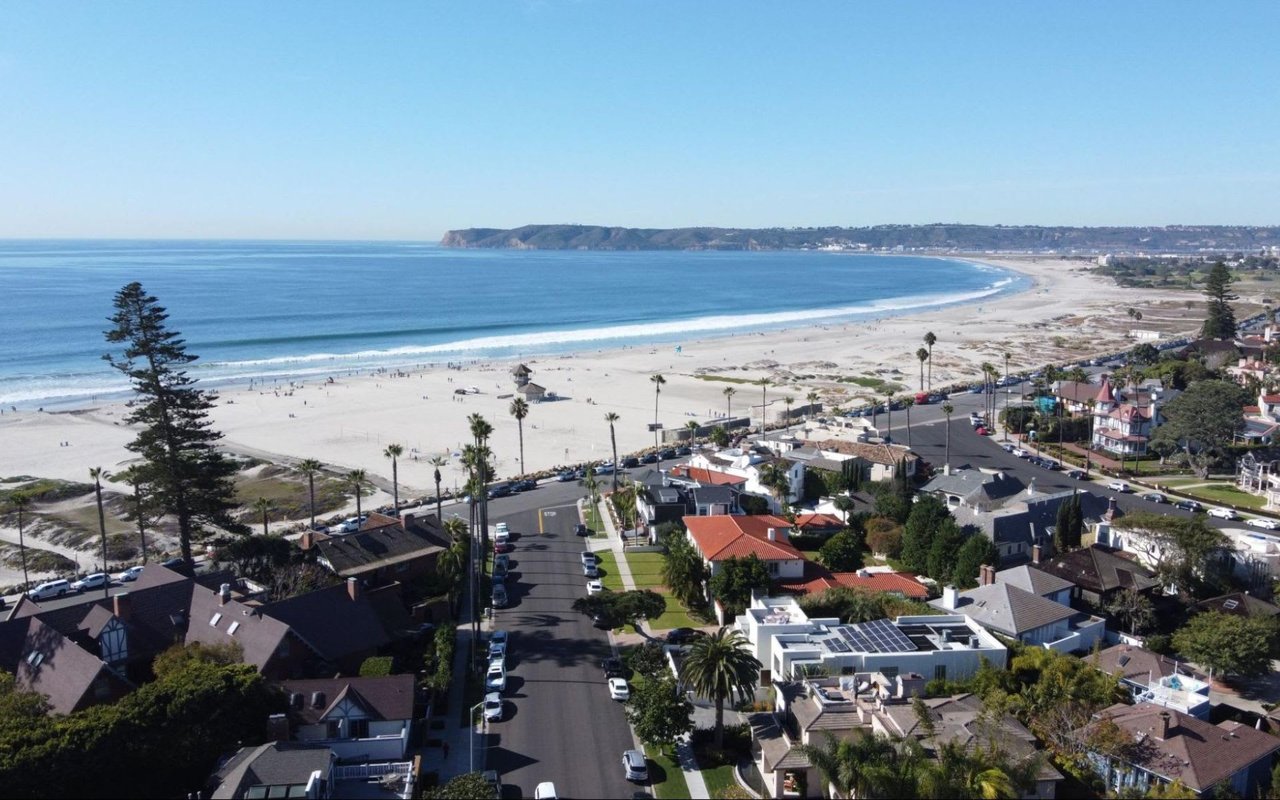
Stand on Coronado's shoreline in December and the ocean looks the same as it does in July. Flat, glassy, familiar. No bluffs, no overlooks, nothing that puts you above the water line. That's the trade Coronado makes for its beach: soft sand and gentle grade instead of the dramatic elevation you get a few miles up the coast. Most winters, that trade goes unnoticed. But it matters more than usual for about four months a year, when more than 20,000 gray whales pass within a few miles of San Diego's coastline on their way south, and the people best positioned to actually see one aren't the ones standing on the sand.
Here's the part almost nobody who lives here has worked out: Coronado's flat shoreline is the wrong tool for watching the migration, but the island's position in the bay is one of the better tools for reaching it.
The Bluffs Coronado Never Had
Every whale watching guide to San Diego points to the same handful of shore spots: Cabrillo National Monument, Sunset Cliffs, Torrey Pines State Reserve, Fletcher Cove up in Solana Beach. What they have in common isn't luck. It's elevation. Standing 100 or 200 feet above the water lets you scan miles of open ocean and pick out a distant spout that would be invisible from sea level.
Coronado's beach doesn't offer that. It's flush with the water, which is part of what makes it such an easy, walkable stretch of coastline the rest of the year. But it also means a whale passing a mile or two offshore in January is functionally invisible from the sand, no matter how patiently you watch. The island simply isn't built the way Sunset Cliffs is built.
That's not a flaw. It's a different kind of advantage, and it shows up once you stop thinking about where to stand and start thinking about where to leave from.
Twenty Thousand Whales, One Narrow Window
The gray whale migration itself is worth understanding before deciding how to watch it. Each winter, gray whales travel from feeding grounds in Alaska to the warm-water lagoons of Baja California, where calves are born, then make the same trip north again in spring. It's a round trip of roughly 10,000 miles, the longest migration distance known for any mammal, and San Diego's 70 miles of coastline sit directly along the route.
The season runs roughly from early December through mid-April, but it isn't evenly distributed. According to the San Diego Tourism Authority, the migration peaks around mid-January, when as many as 200 whales per day have been counted moving past San Diego's shores. Outside that window, sightings thin out considerably. Inside it, the odds shift in a visitor's favor almost overnight.
That peak window is the one worth building a plan around, and it's short enough that showing up in late February expecting the same density of whales you'd see in mid-January is a common way to leave disappointed.
Coronado's Real Advantage Is the Dock, Not the Dune
Most of San Diego's whale watching fleet departs from the Broadway Pier downtown, which means those boats spend the first stretch of every trip motoring the length of San Diego Bay, past the Coronado Bridge and North Island, before they clear the harbor mouth and reach the water gray whales actually travel through. That's not a criticism of those operators. It's simply geography.
Coronado sits closer to that harbor mouth than downtown does, and at least one local operator has built its pitch around exactly that fact. Wild Pacific Whale Watch markets Coronado as its departure point specifically because it puts guests closer to open water with less transit time and more time actually looking for whales. For a private charter running a few hours, that difference in transit time is the difference between an afternoon that feels rushed and one that doesn't.
There's a second, less obvious connection worth knowing. Flagship Cruises & Events, one of the longest-running operators in San Diego (their narrated whale watching cruises trace back to the world's first commercial whale watching trip in 1955) also operates the Coronado Ferry. The same company shuttling residents and visitors across the bay every day runs the boats that go looking for whales every winter. It's a small detail, but it's the kind of thing that makes Coronado feel less like a spectator to San Diego's whale season and more like part of its infrastructure.
The Season, If You Want to Actually Go
For residents who want specifics rather than generalities, here's what's actually running this winter:
- Flagship Cruises & Events — two-hour narrated cruises departing Broadway Pier, roughly early December through mid-April, with a Whale Tail Guarantee that lets you rebook free if no whale is spotted.
- H&M Landing — three-hour cruises December through April ($25 for adults), plus six-hour cruises running December through June that head into Mexican waters near the Coronado Islands wildlife sanctuary ($50 for adults).
- Sail San Diego — daily 3.5-hour trips aboard 40-foot Catalina sailboats, December through April, $85 per person, with private charters available for smaller groups.
- Wild Pacific Whale Watch — private yacht charters departing from Coronado itself, built around smaller groups and a naturalist guide rather than a full boat of strangers.
None of these require advance planning beyond picking a weekend during the mid-January peak and booking a day or two ahead. The bigger planning mistake is waiting until March, when the density of whales passing through has already thinned considerably.
The Second Season Most Residents Skip
Gray whales aren't the only reason to keep an eye on the water. From roughly mid-June through September, blue and fin whales move into California's coastal waters to feed, and the concentration is genuinely remarkable. Some of the largest aggregations of blue whales anywhere in the world, estimated between 2,000 and 3,000 animals, gather off the California coast during these summer months. Blue whales can reach nearly 100 feet in length, making them the largest animals to have ever lived.
Because blue whales tend to feed farther offshore than migrating gray whales, shore viewing isn't really an option at any elevation. A boat is the only way to see them, which means Coronado's proximity advantage applies just as much in July as it does in January. Next Level Sailing runs summer trips aboard the historic yacht America, a short trip from Coronado, aimed at exactly this window.
Most residents mentally file whale watching under winter and stop thinking about it once April ends. The whales don't. They simply move offshore and get bigger.
What This Actually Changes
None of this requires Coronado to have bluffs it doesn't have. It requires knowing that the island's real advantage this time of year isn't a place to stand, it's a place to leave from. Whether you're timing a January weekend around the migration's peak or catching the quieter blue whale season in July, the boats worth booking are the ones that get you to open water fastest, and more than one of them starts closer to Coronado than most people realize.
That's the kind of detail that comes from paying attention to a place over years, not from a single winter visit. It's also the kind of thing our team at The Clements Group tends to notice, because Coronado's rhythms, from ferry schedules to migration windows, are the same rhythms we've been tracking for decades of living and working on this island. If you're curious about what else makes Coronado's calendar tick, or you're weighing what it actually means to build a life here, reach out to schedule a private consultation. We're happy to talk about the whales, too.